Guidelines for comments on WSRW's Facebook page
Published 02 March 2015
The social media accounts of Western Sahara Resource Watch shall foster constructive dialogue and debate. We will accept comments which contribute to the conversation.
WSRW reserves the right to delete comments on our social media channels that:
* Are posted in languages other than English.
* Are not relevant to the item it comments on.
* Contain rude or offensive language.
* Make reference to a third person in a detrimental manner.
* Are posted repeatedly from other pages or groups.
WSRW reserves the right to block users who:
* Post comments that may be offensive or defamatory, such as allegations of legislative breaches.
* Publish posts that violate European laws.
* Regularly post comments that are not relevant to the content that has been published.
* Use rude or offensive language.
* Present unreasonable/false claims against WSRW.
* Post from fake or anonymous profiles. Comments shall be posted under own profile and correct name.
* Post spam or advertising. Spam also includes repetitive posts copied from other pages or other users, as well as numerous identical comments on different posts.
WSRW reserves the right to delete comments and block users without further notice or explanation beyond that it is either in violation of these rules or disclosure of fake profiles.
News
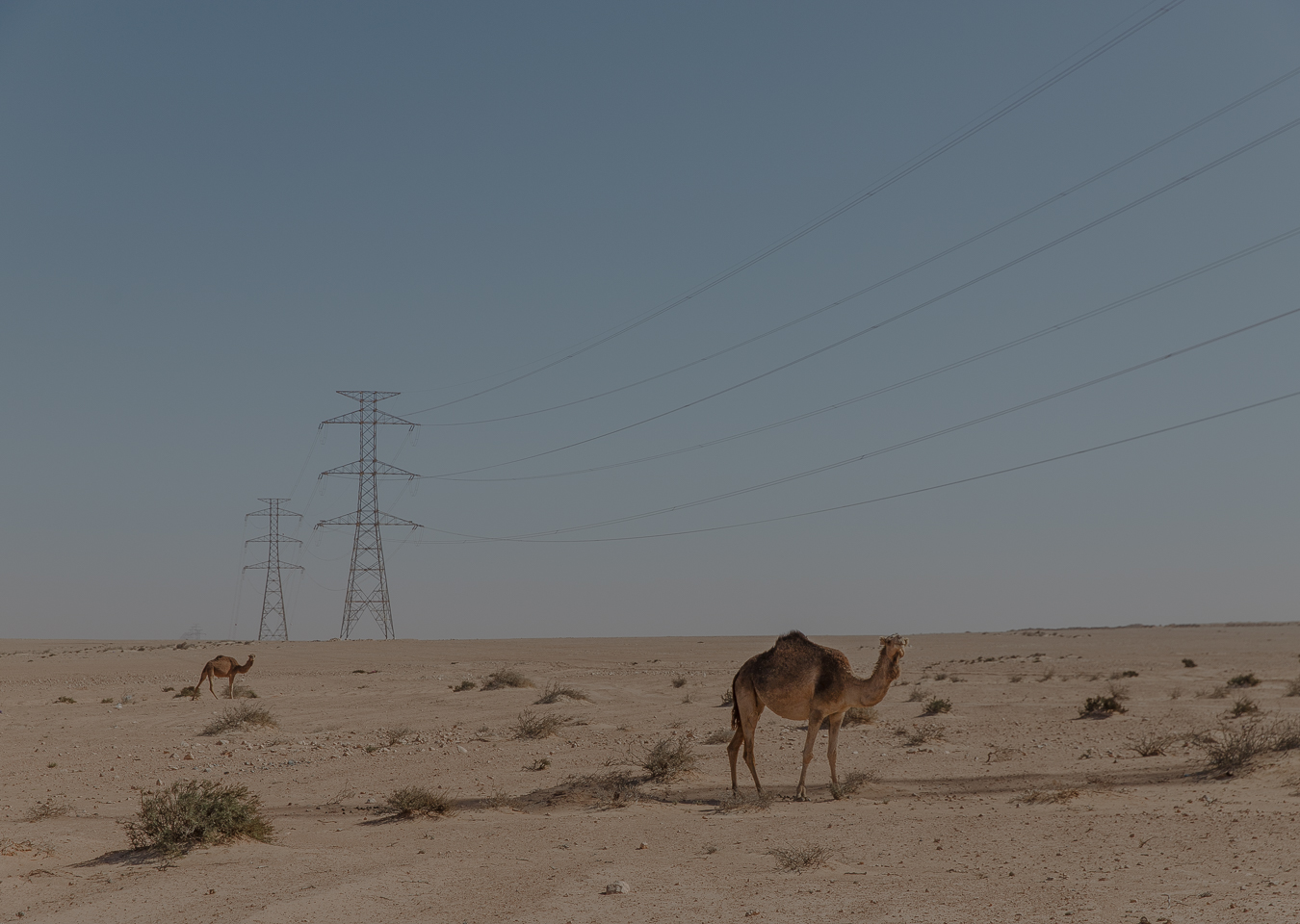
Another company of the Moroccan king involved in occupied Western Sahara
A company closely linked to Morocco’s royal business network has entered a new project in occupied Western Sahara, partnering with a Chinese state-owned electricity giant on high-voltage infrastructure in Boujdour.
10 September 2026
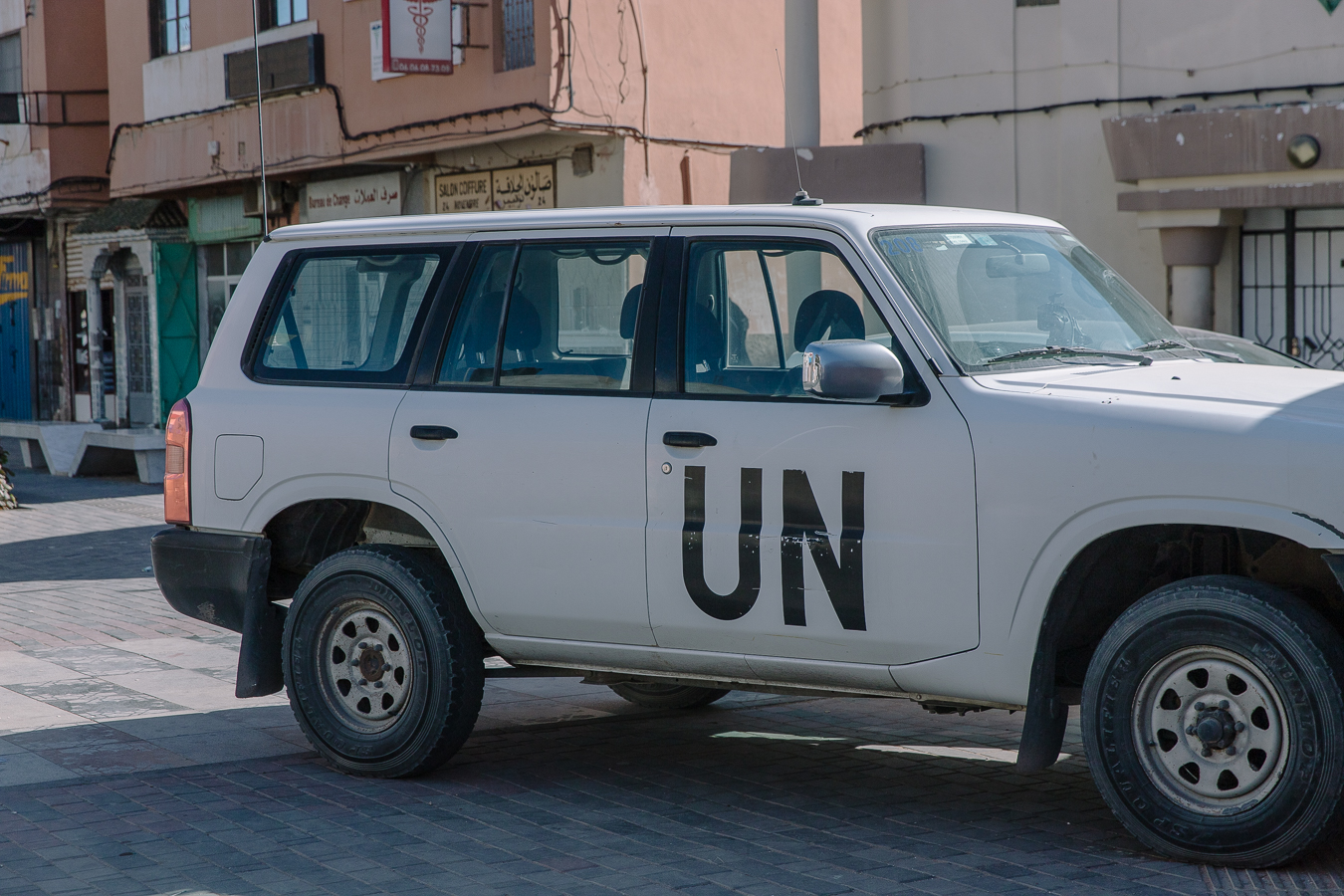
Don't let resource exploitation decide Western Sahara's future
Western Sahara Resource Watch calls on the UN to address the accelerating exploitation of the territory’s natural resources - and prevent it from becoming an even greater obstacle to self-determination.
08 September 2026
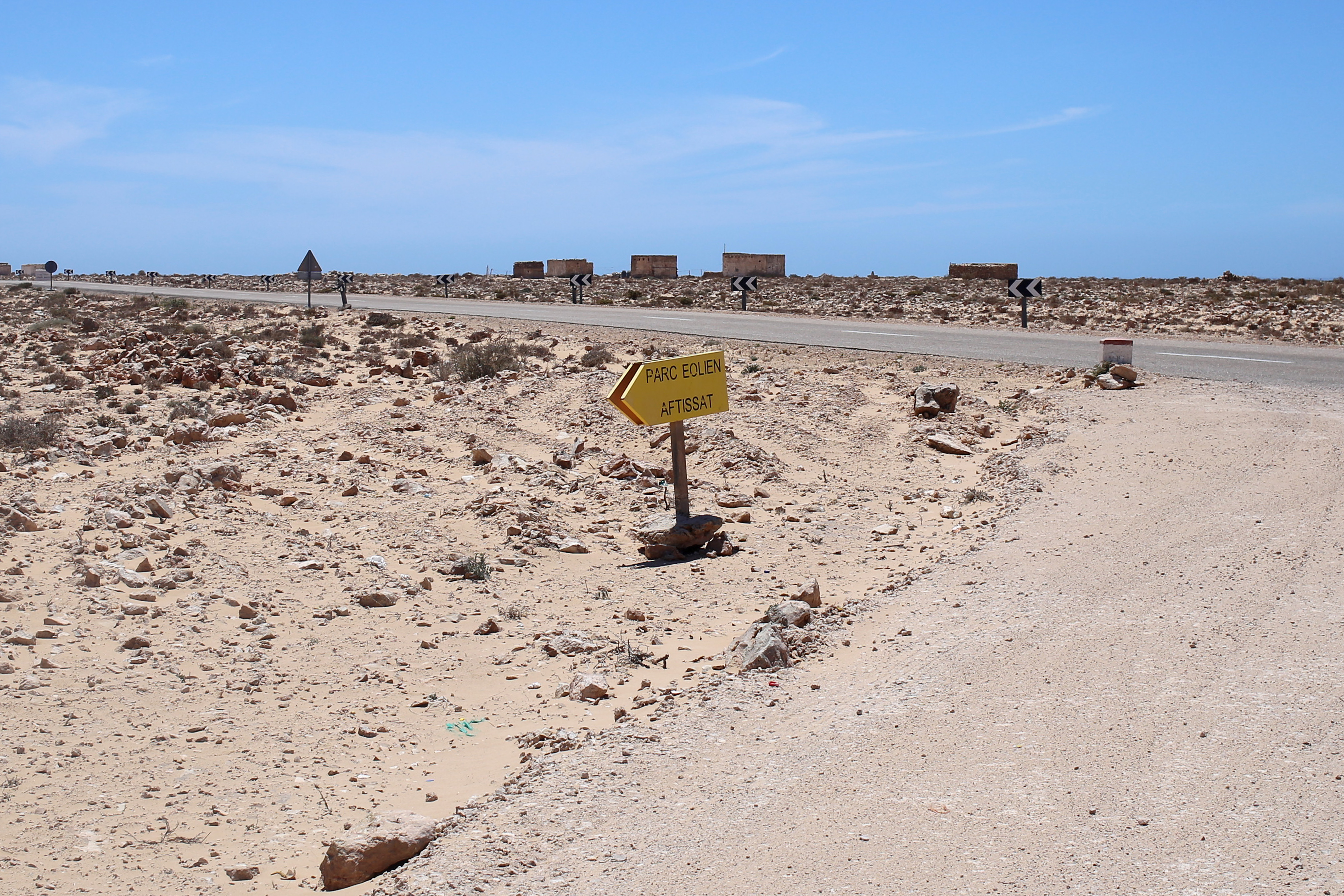
Occupied Western Sahara wind complex expands into Africa's top three
The Moroccan king’s energy company appears to have completed two new phases of the Aftissat wind power complex in occupied Western Sahara.
11 August 2026

Dirty green energy on occupied land
How can it be wrong to develop renewable energy, in a world that is in desperate need for a green transition? In Western Sahara, the problems are numerous.
06 August 2026