Certification scheme ends involvement with Azura Group and declares that no future certifications will be granted to companies in the occupied territory.
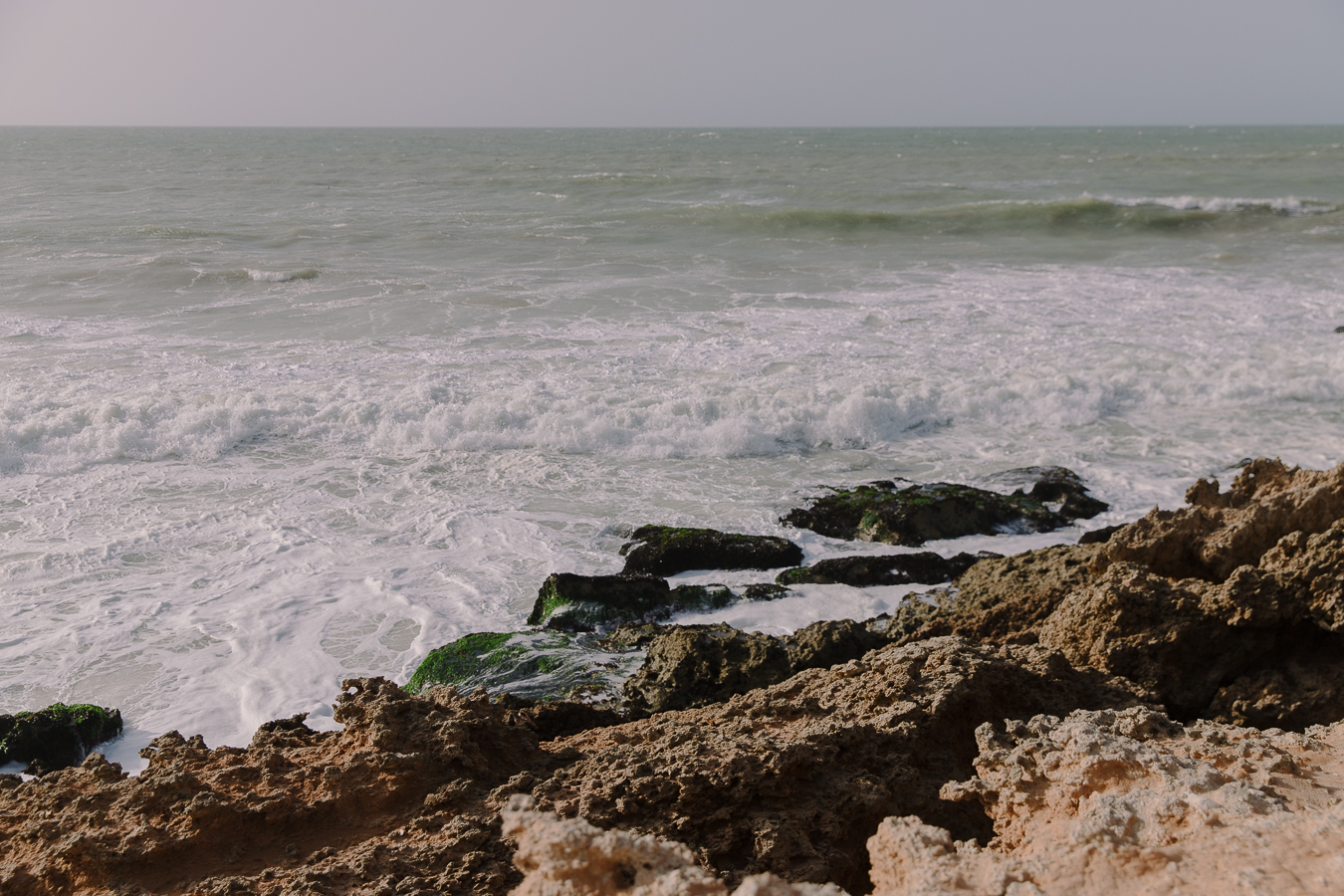
Photo: Ocean near Dakhla.
In the still waters of Dakhla Bay, on the eastern edge of the peninsula extending from Western Sahara into the Atlantic, a French-Moroccan agribusiness has spent years farming clams under permits issued by the Moroccan government.
Yet according to international courts, neither the land nor these waters belong to Morocco.
For six years, Azura Group’s subsidiary in Dakhla has benefited from certification by what many regard as the aquaculture sector’s gold standard: the Netherlands based Aquaculture Stewardship Council (ASC). That era is now over.
On 1 December, ASC’s Chief Technical Officer, Alastair Dingwall, informed Western Sahara Resource Watch (WSRW) that Azura “will not be eligible for renewal on expiry and potential new entrants will not be accepted into the programme.”
ASC writes that, “underpinned by the position of the United Nations,” it has determined that operating in Western Sahara requires a process of Heightened Human Rights Due Diligence.
Since ASC cannot currently carry out such a process, it will “discontinue programme activities in Western Sahara” until resources allow for proper assessment - or until “the process of self-determination has been completed in the territory”, the company wrote in the letter.
Azura’s current ASC certificate expires on 3 July 2026. Morocco is scaling up aquaculture expansion in the territory, yet none of these projects will receive ASC certification.
“ASC has taken clear responsibility. They stand in stark contrast to certification schemes that don’t answer basic questions, ignore documented errors, or sweep fundamental flaws in their certificates under the rug”, Erik Hagen of Western Sahara Resource Watch told.
Earlier in October, LSQA - a partially Austrian-owned Uruguayan certification body - issued a similar conclusion after assessing one of Azura’s farming competitors in Dakhla.
“ASC and LSQA show what it means to act responsibly, engage, and learn,” said Hagen. “They starkly contrast with schemes such as MarinTrust and GlobalG.A.P., which proclaim strong standards on paper but look the other way when applying them.”
Azura Group has recently faced a series of controversies linked to its activities in the occupied territory. In November, French farmers stormed Azura’s import facilities in Perpignan.The Confederation Paysanne has filed a legal complaint accusing the company of tax evasion linked to imports from Western Sahara. In October, Spanish farmers’ organisations and a consumer watchdog filed a complaint with Spanish authorities including Azura among the targeted firms.
The part of Western Sahara where Azura operates was forcibly occupied by Morocco in 1979, displacing half of the Saharawi people.
In 2024, the EU Court of Justice reaffirmed that Morocco has no sovereignty over Western Sahara’s land or waters, and annulled all EU trade arrangements covering the territory. The Court has now ruled ten consecutive times that Western Sahara is not part of Morocco, and that trade involving the territory without the consent of the Saharawi people violates their fundamental rights.
The Court has also clarified that the waters off Western Sahara - where Morocco seeks to establish aquaculture - are not part of Morocco’s EEZ.
Azura Aquaculture is the only company in the territory to have been certified under the ASC Bivalve Standard (Version 1.1). Its most recent certificate, issued in February 2025, was granted by Bureau Veritas - the certification body most closely aligned with Morocco’s territorial claims. Bureau Veritas describes Western Sahara as “Morocco’s Southern Provinces.”
The February 2025 certificate contains incorrect geographical information, listing the origin as “Dakhla, Morocco." Bureau Veritas has not responded to WSRW’s letters.
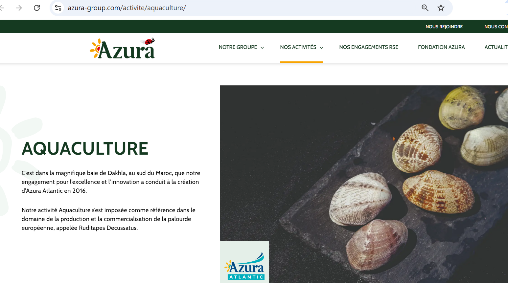
Azura continues to misrepresent the origin of its ASC-certified clams on its website, claiming they are produced in Morocco - despite alerts from WSRW, and despite CJEU clarifications requiring accurate labelling. In November 2025, the company published political propaganda messages on its social media, praising the illegal occupation and the Moroccan king.
Azura’s agricultural subsidiaries in Dakhla list various certifications. Yet several schemes have either refused to engage or contain serious flaws:
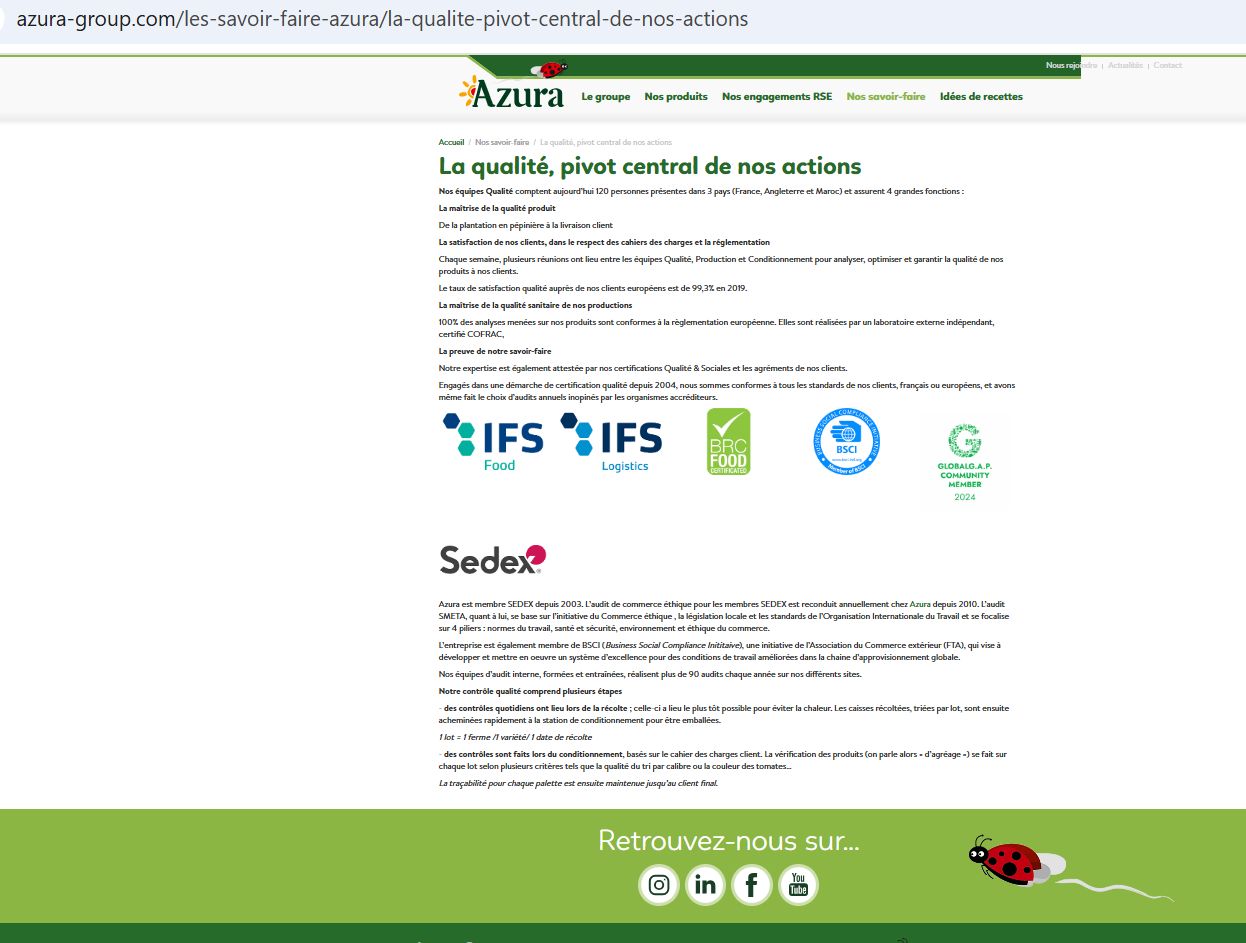
- BRCGS – has not responded to WSRW’s queries.
- IFS Food – has also failed to reply, despite explicit anti-fraud requirements in its own standard and Azura’s misleading origin claims.
- GlobalG.A.P. – lists Azura as a “community member.”
- Alliance for Water Stewardship – has not responded, but has issued an audit report containing severe geographical errors.
Western Sahara Resource Watch (WSRW) first contacted ASC on 29 November 2024.
In September, WSRW contacted an Italian fish distributor - Conkilia - which sold Azura claims from Dakhla “in Morocco”. The company failed to respond.
Azura Aquaculture’s previous certificate [or download] was issued in 2019 by Global Trust Certification, a company now part of the Irish branch of NSF International. WSRW contacted NSF for clarifications on the matter but received no response.
New report: Certified occupation
International certification standards embellish Morocco’s controversial trade with fisheries and agricultural products in occupied Western Sahara, new report documents.

Certification giant SGS points fingers elsewhere
SGS blames everyone else for mistakes on MarinTrust certificates it had issued to Moroccan companies in occupied Western Sahara.
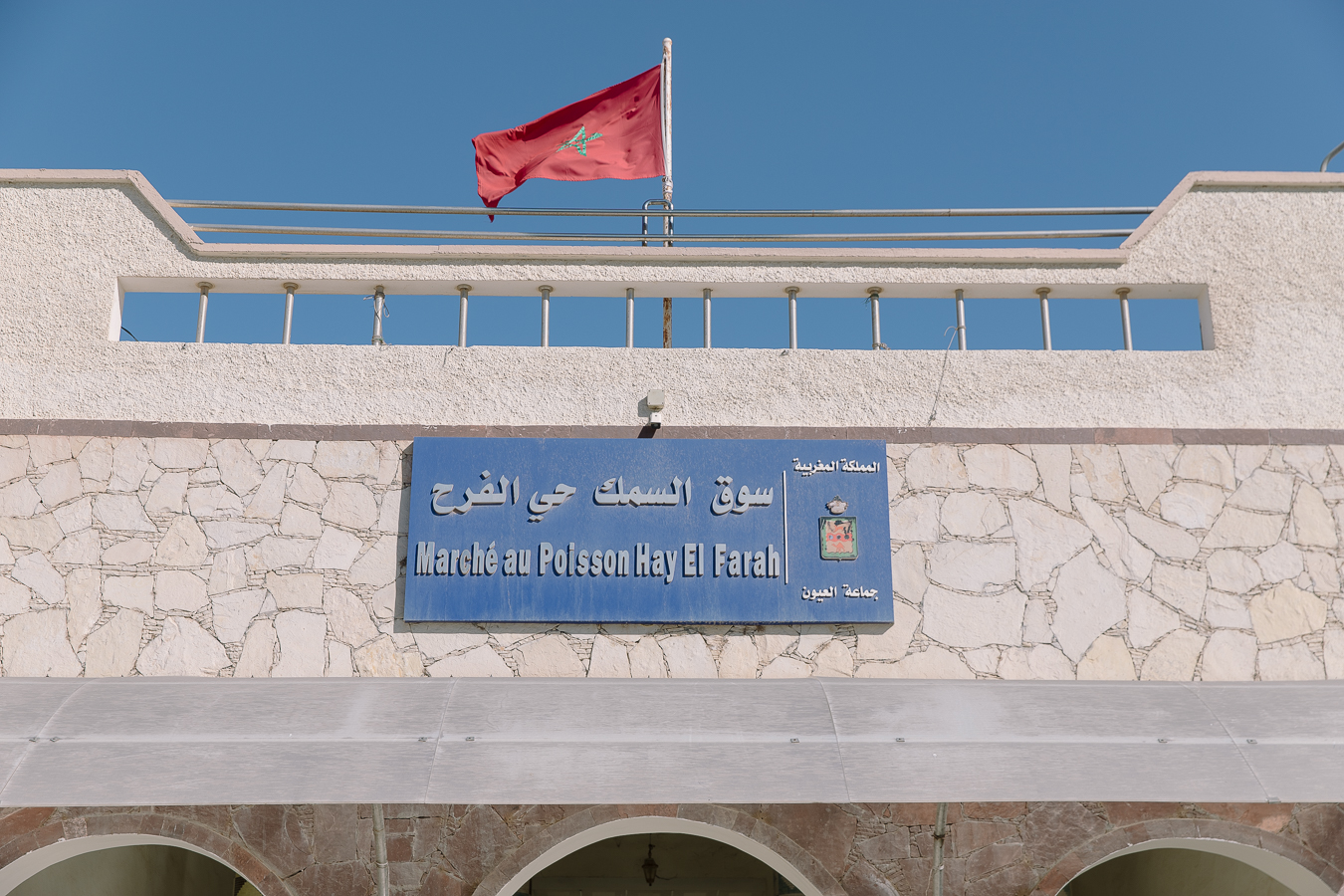
GMP+ does not check if “sustainable” fish is legally caught
The world’s largest certification scheme for “safe and sustainable animal feed” does not check whether its certified fish feed companies source from illegal fisheries in occupied Western Sahara, where catches violate the Saharawi people’s right to self-determination.
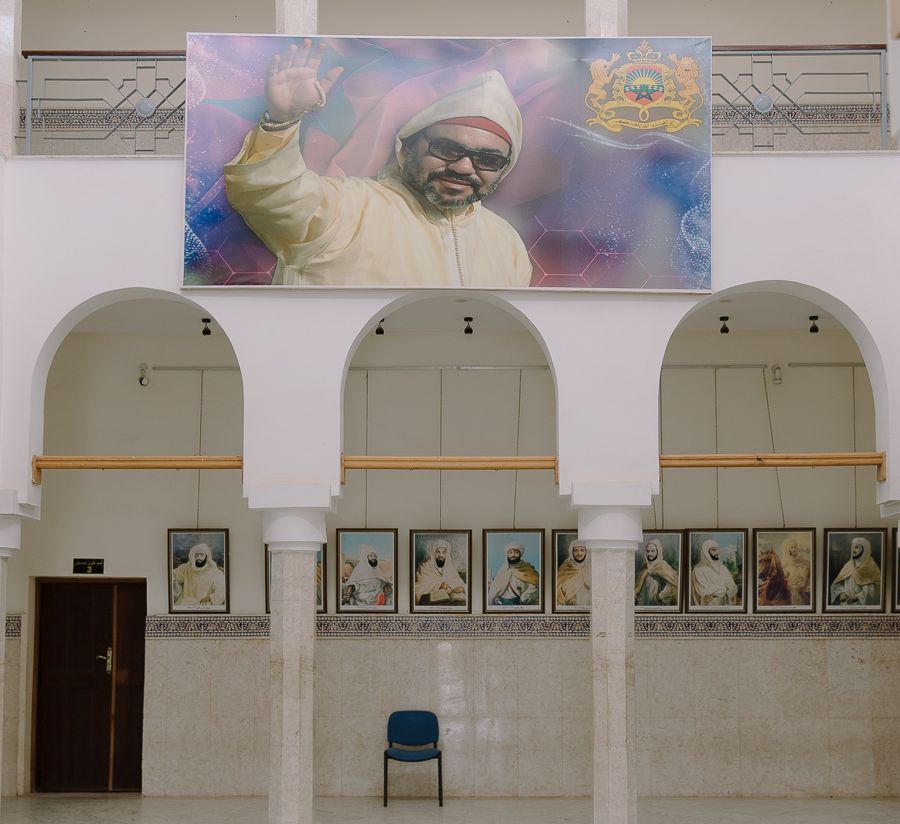
Azura dives deep into politics
The French-owned Azura Group, a producer of agricultural and aquaculture products in occupied Western Sahara, has taken a remarkably political stance - openly praising Morocco’s “national cause” and “territorial integrity.”