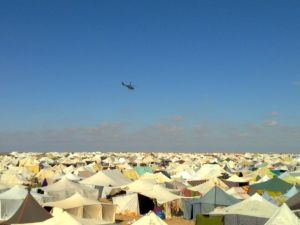
Des prisonniers politiques sahraouis ont repris leur grève de la faim dans les prisons marocaines, exigeant l'amélioration de leurs conditions de détention, l'application des décisions de l'ONU et leur libération
Western Sahara Resource Watch appelle l'ONU à se pencher sur l'exploitation croissante des ressources naturelles du territoire et à empêcher que celle-ci ne devienne un obstacle encore plus important à l'autodétermination.
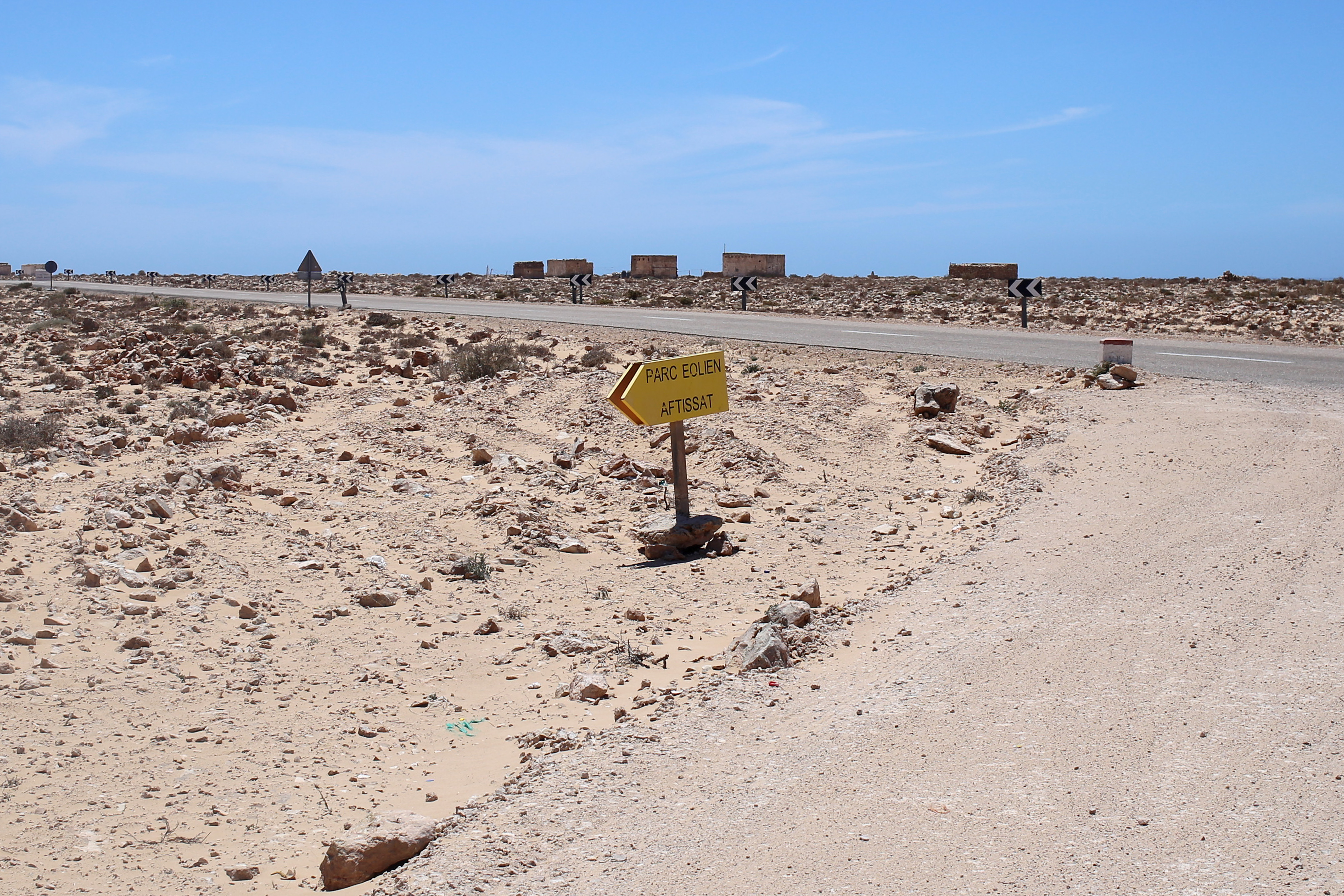
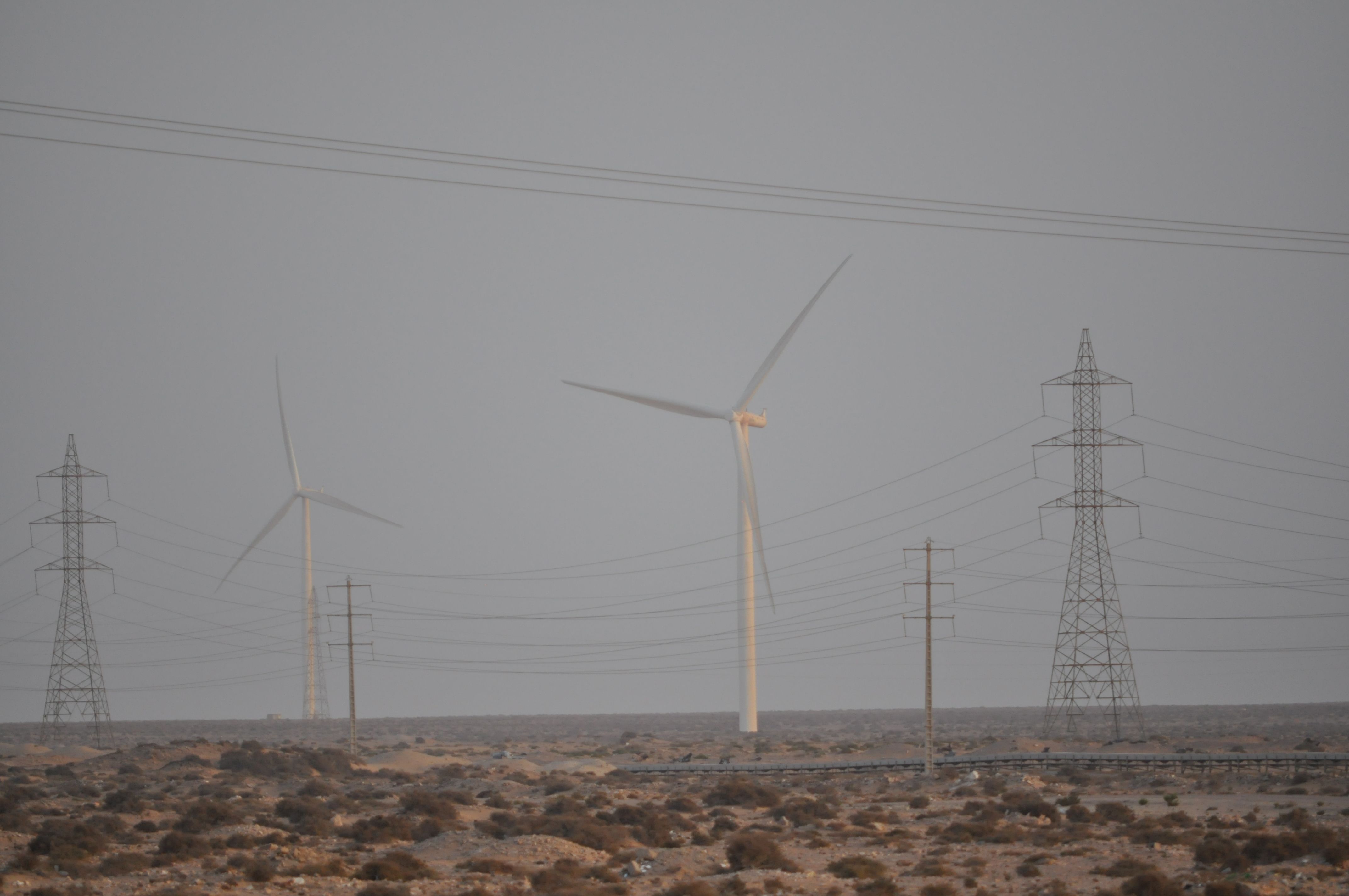
La société de production d’énergie du roi du Maroc semble avoir achevé deux nouvelles phases du complexe éolien d'Aftissat, situé au Sahara Occidental occupé.

Comment peut-il être mauvais de développer les énergies renouvelables, dans un monde qui a désespérément besoin d'une transition verte ? Au Sahara Occidental, les problèmes sont nombreux.
L'administration Trump est devenue la première administration américaine à financer un projet du secteur privé au Sahara Occidental occupé, en apportant son soutien au projet controversé de production d'ammoniac vert d'ORNX.
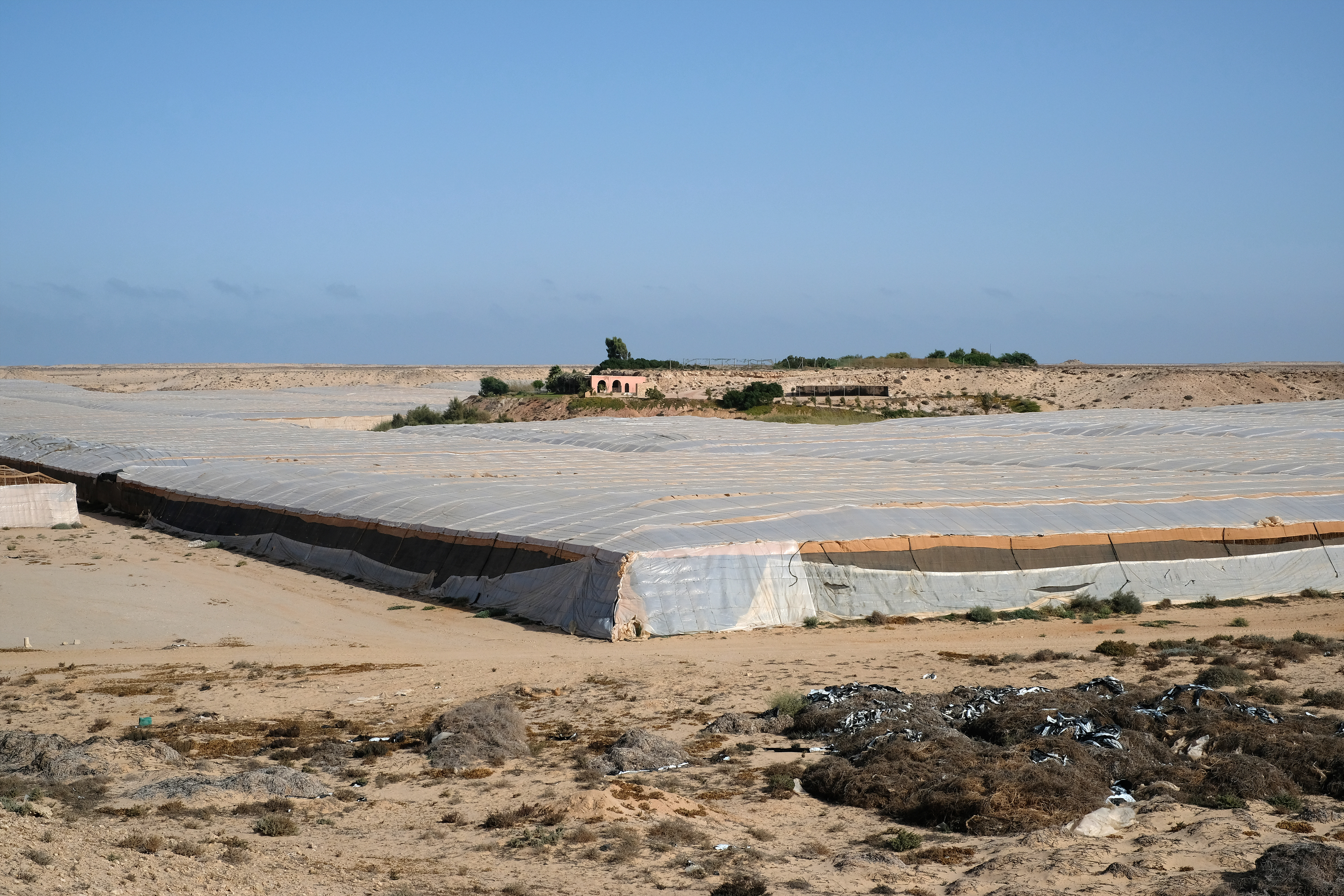
Le Maroc a lancé un nouvel appel d'offres pour attribuer plus de 1 000 hectares de terres agricoles au Sahara Occidental occupé, rendues cultivables grâce à l'intervention de l'entreprise française Engie. Cette extension intervient alors que l'UE envisage d'accroître les échanges commerciaux illégaux avec ce territoire.
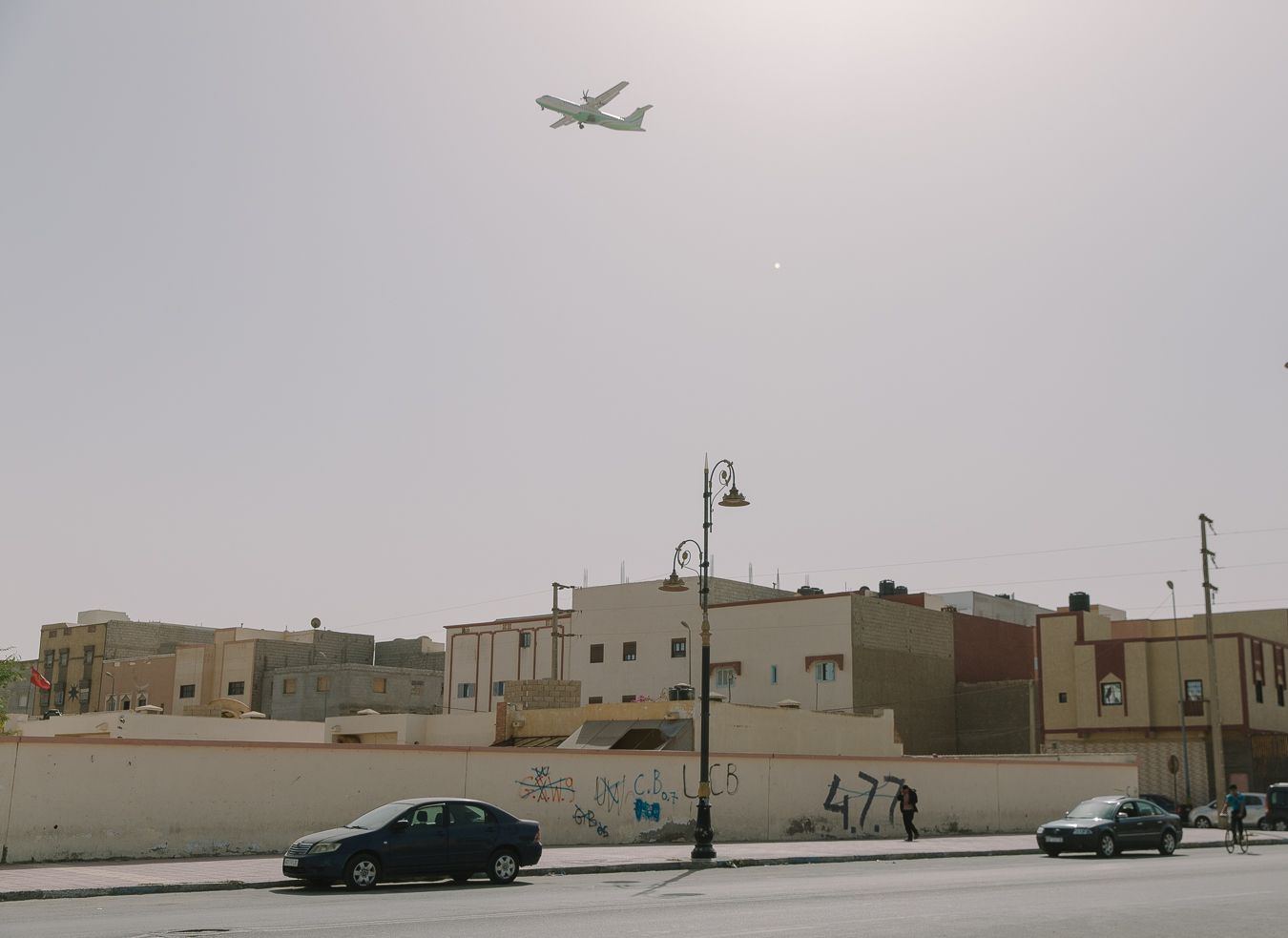
Le cadre juridique est établi, mais la pratique diffère. L'accord aérien récemment adapté exclut le Sahara Occidental. Pourtant, la Commission Européenne tolère que des compagnies aériennes de l'UE y opèrent malgré tout.
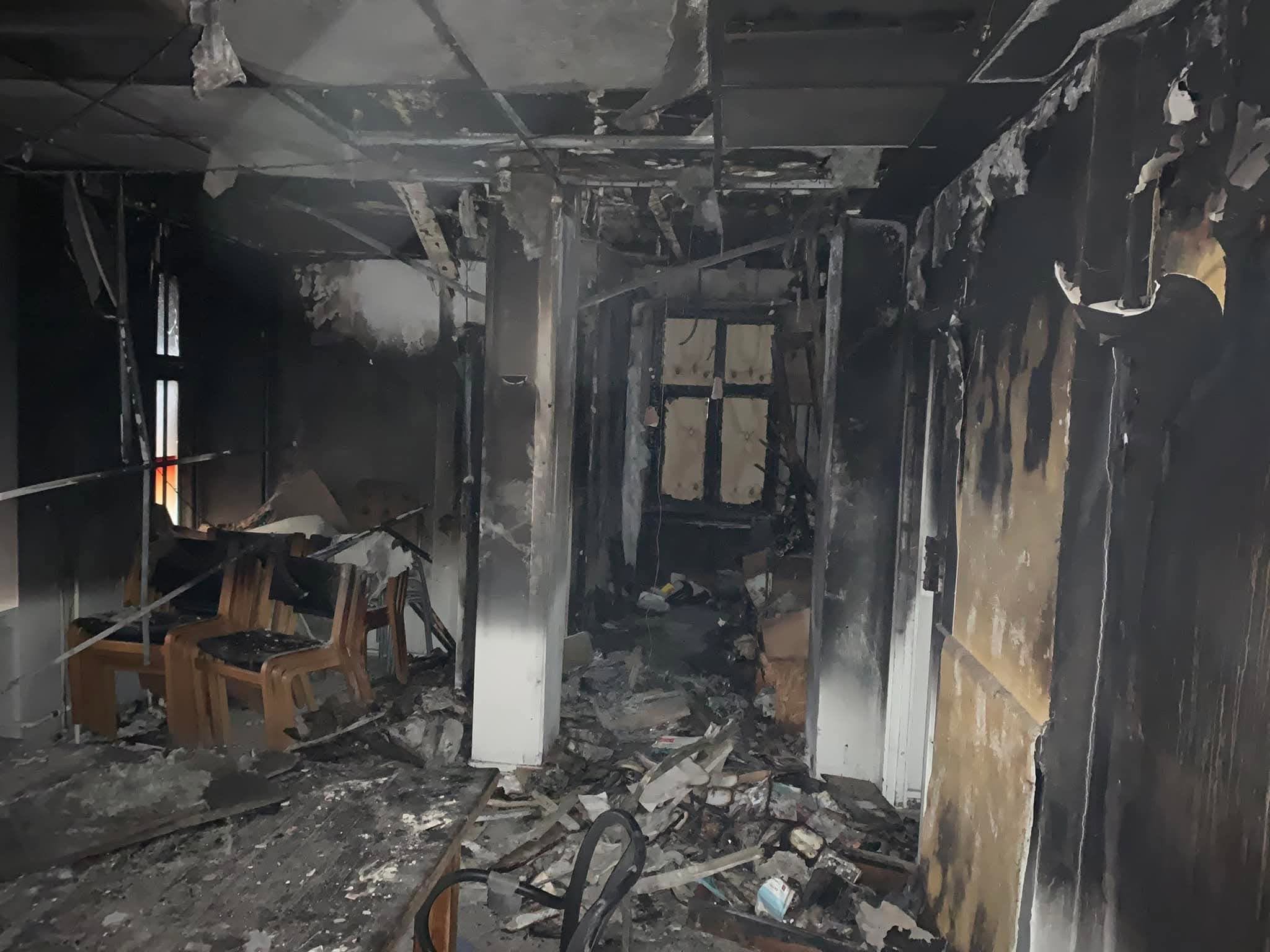
Un procès s'est ouvert à Copenhague contre quatre hommes accusés d'avoir perpétré l'incendie criminel de janvier 2025 contre les bureaux de Global Aktion, partenaire de WSRW.
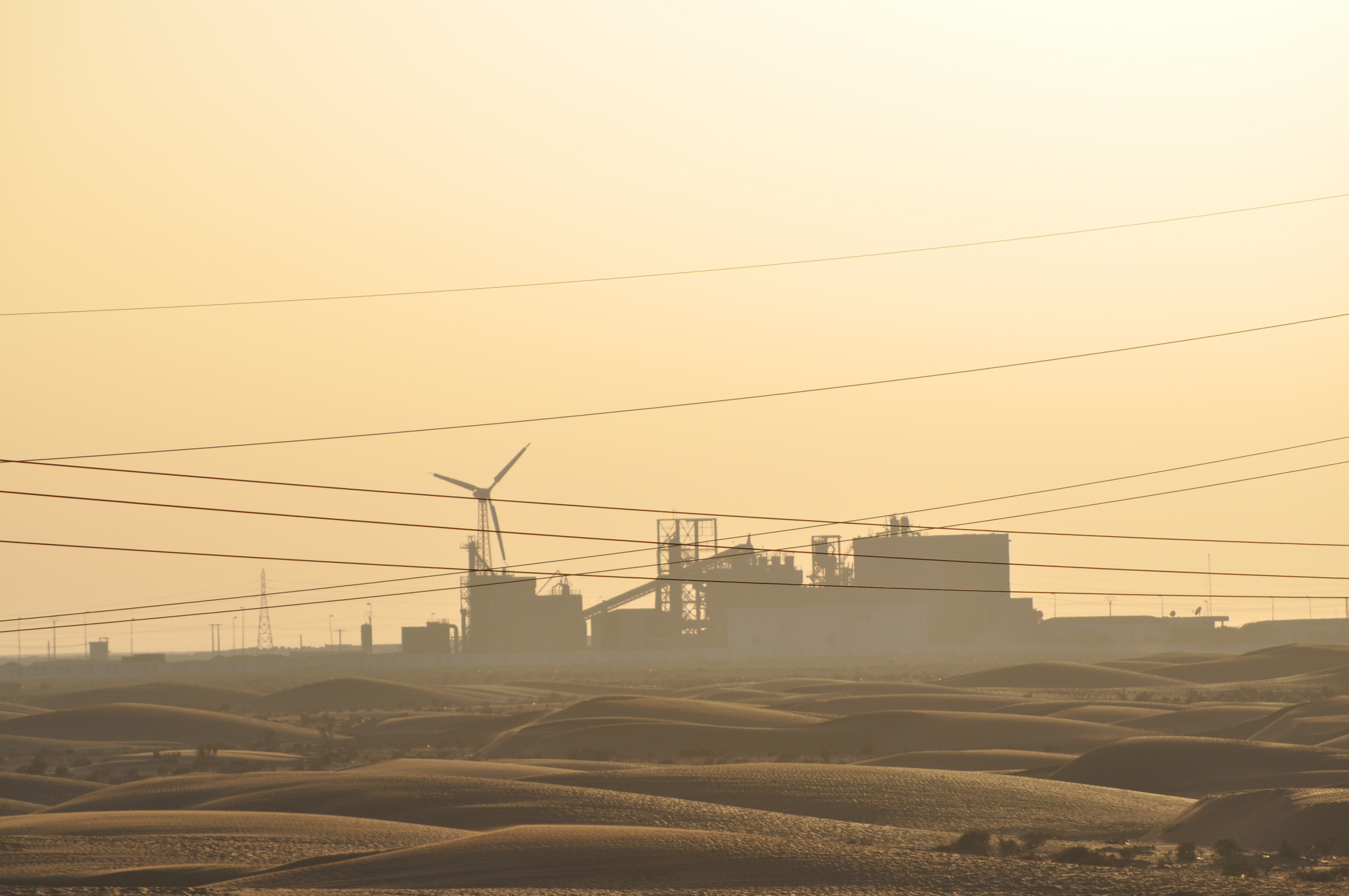
L'entreprise allemande confirme une fois de plus que ses activités au Sahara Occidental occupé sont étroitement liées à l'expansion des infrastructures marocaines sur le territoire, tout en continuant de nier le droit au consentement du peuple sahraoui.

Depuis plus de 40 ans, une entreprise nationale marocaine exporte du minerai de phosphate du Sahara Occidental occupé.

Il est difficile de suivre les nombreuses procédures judiciaires relatives au Sahara Occidental. Cette page offre un aperçu des affaires portées devant la Cour de justice de l'Union européenne (CJUE) à propos de ce territoire.
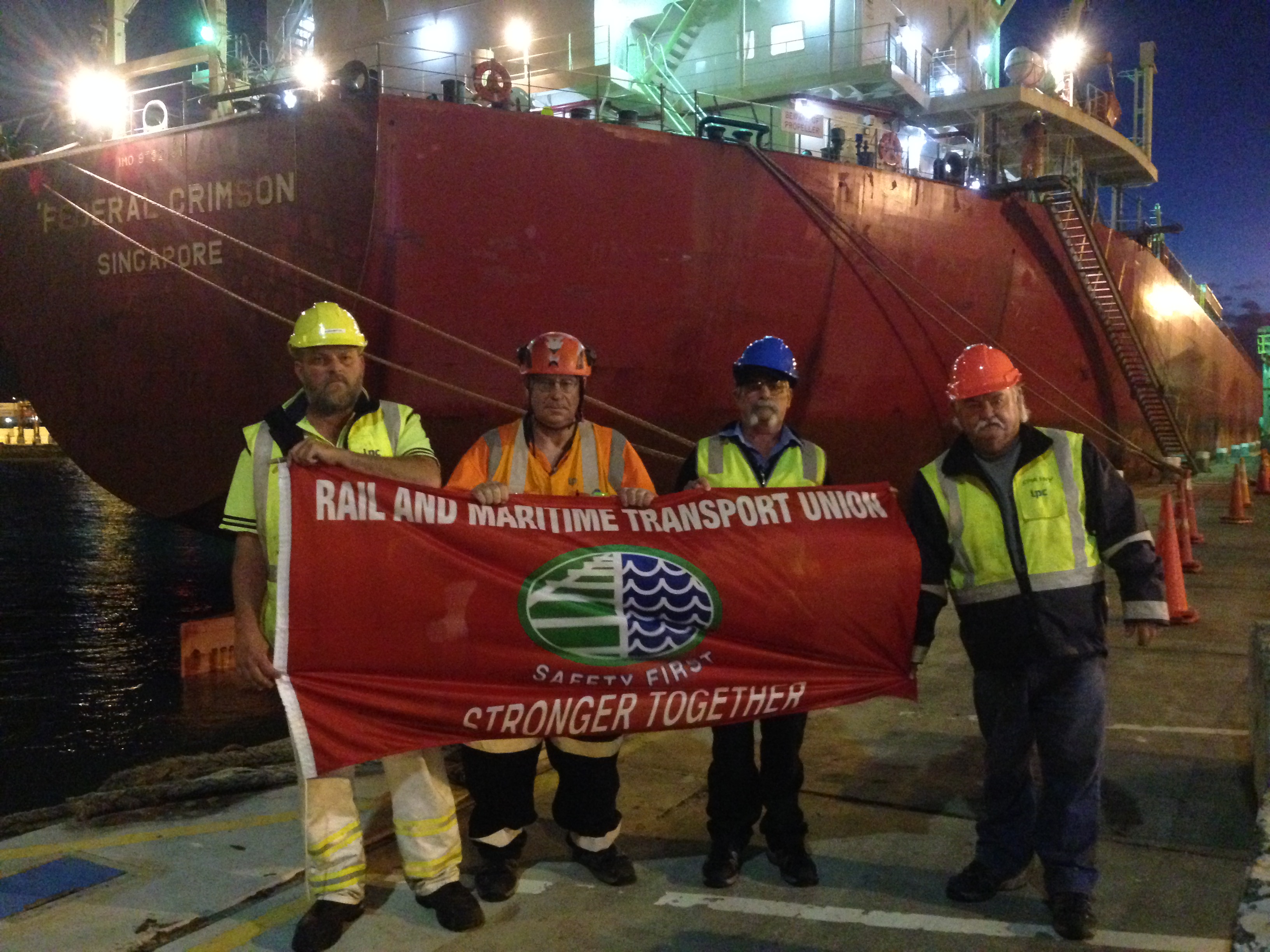
Un cabinet de conseil mandaté pour évaluer les importations de phosphate en provenance du Sahara Occidental occupé vers la Nouvelle-Zélande conclut qu'il n'y a aucun problème.
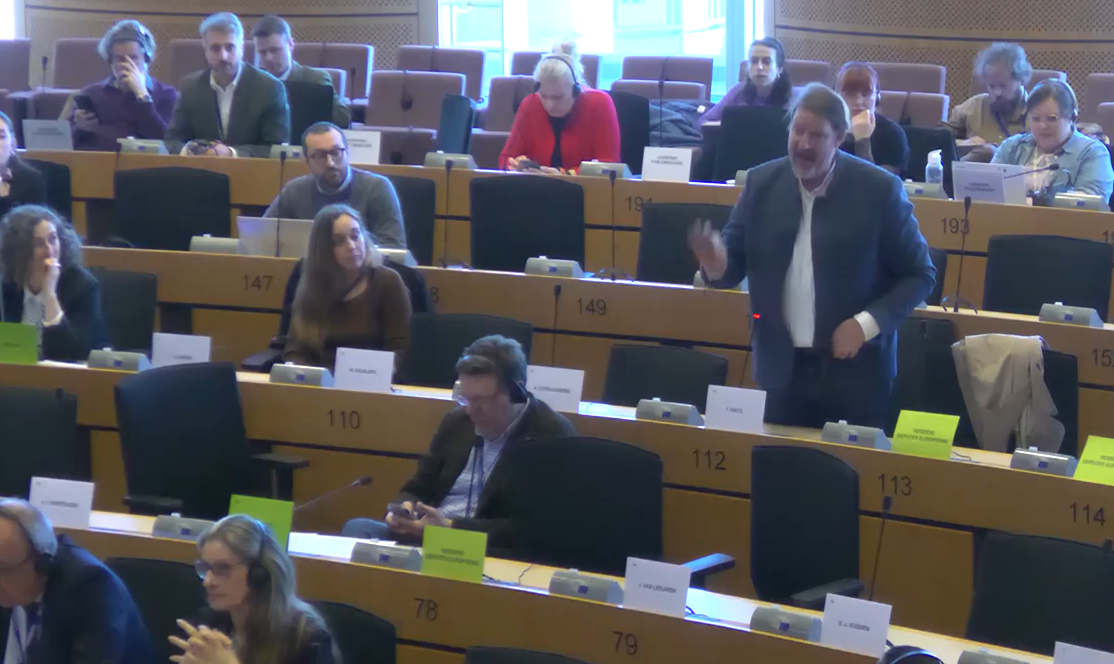
Des eurodéputés de tous bords politiques ont vivement critiqué la Commission européenne pour sa gestion des relations commerciales UE-Maroc relatives au Sahara Occidental occupé, soulevant des inquiétudes quant à la légalité, la transparence et un mépris apparent du rôle du Parlement.
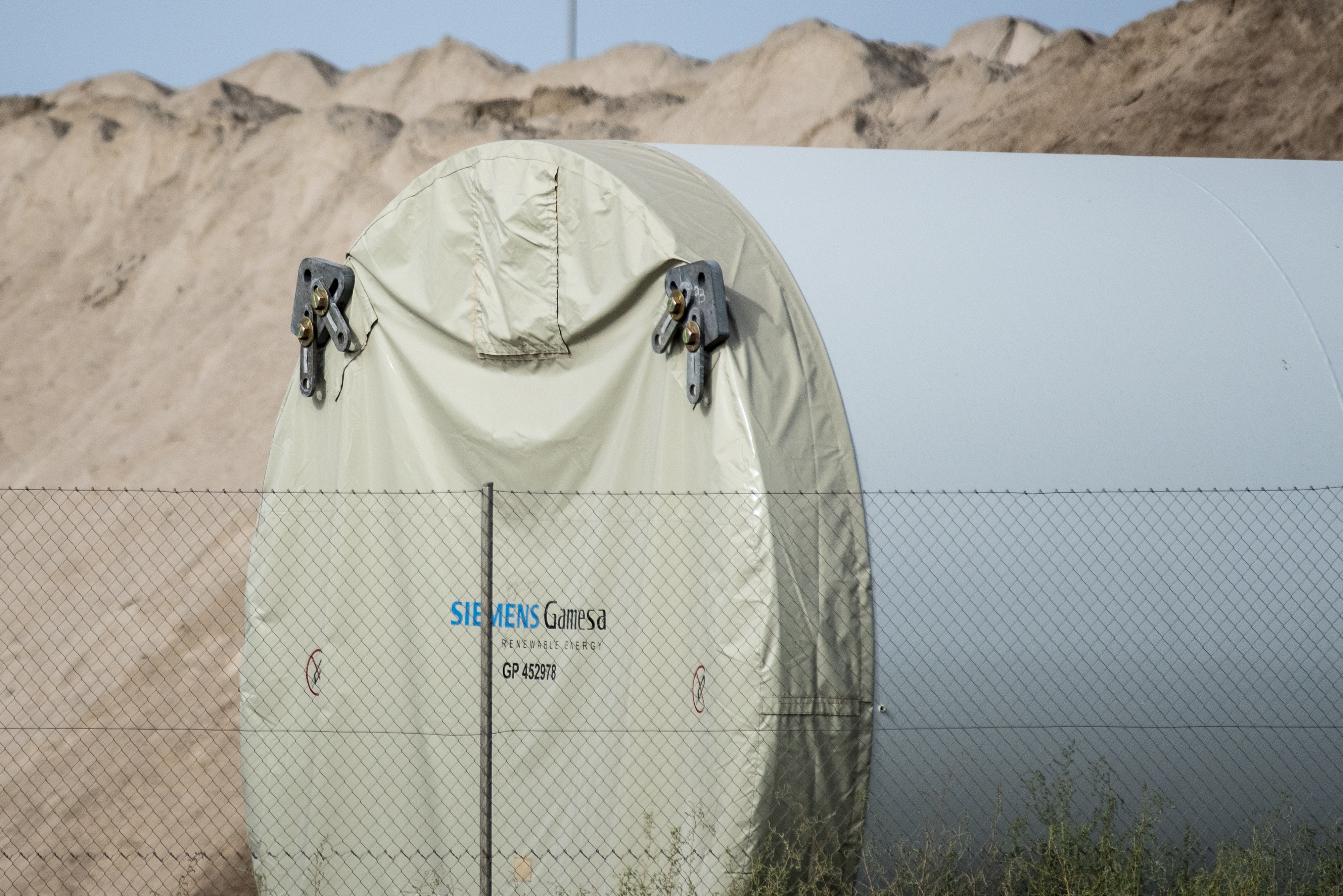
Lors de son Assemblée générale annuelle de 2026, Siemens Energy a défendu son implication dans les projets éoliens au Sahara Occidental occupé.
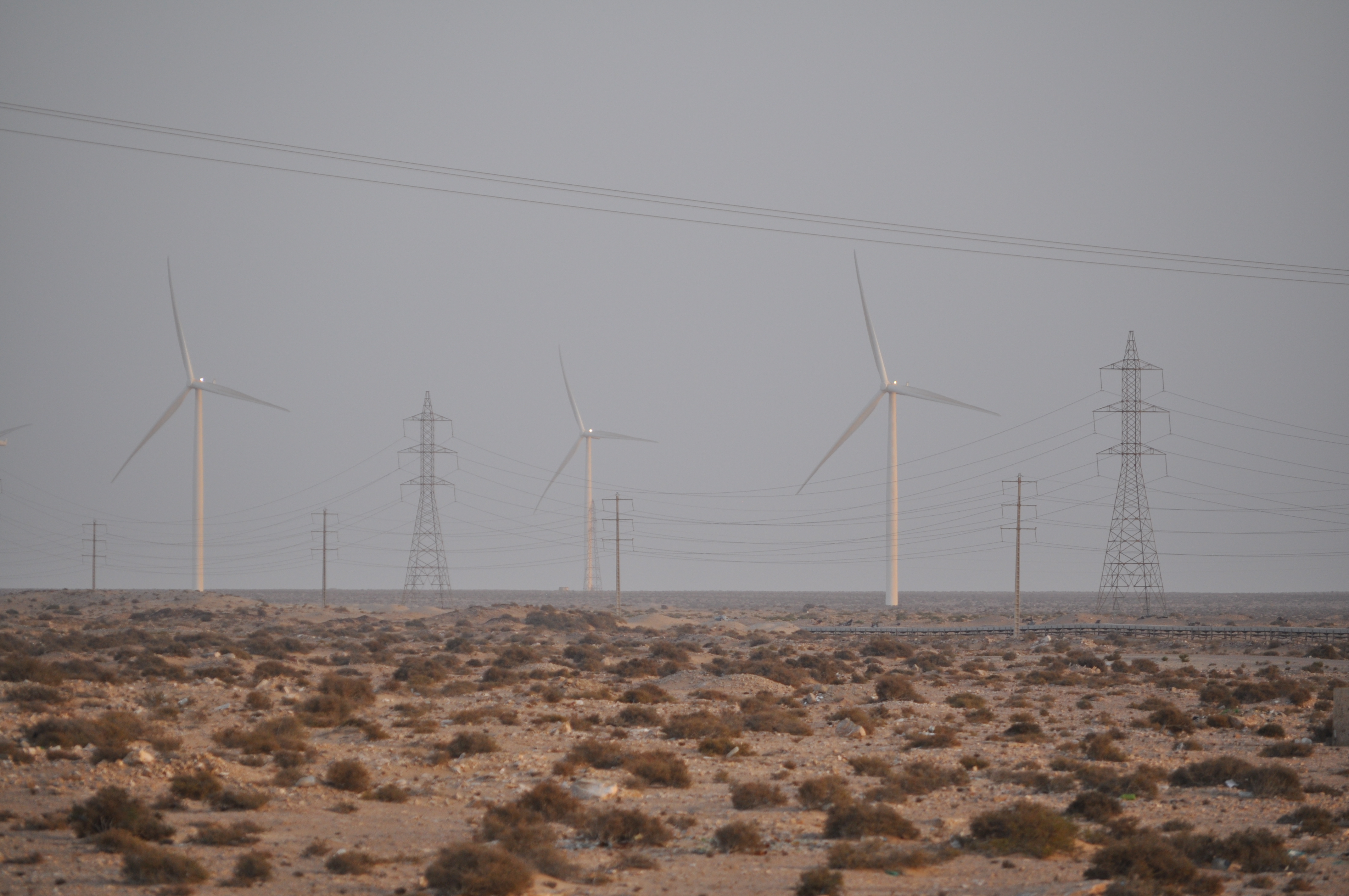
Les ambitions du Maroc de devenir un acteur mondial majeur de l'hydrogène vert s'accélèrent. Pourtant, Rabat alloue des terres sur un territoire dont elle n'est pas propriétaire légale.
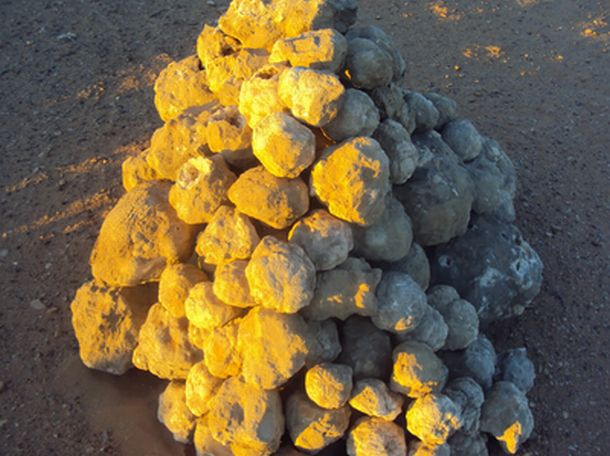
Soucieux de se positionner comme un fournisseur clé de minéraux stratégiques pour les puissances occidentales, le Maroc a signé un nouvel accord avec les États-Unis portant sur les eaux du Sahara Occidental et les minéraux critiques qu'elles recèlent.
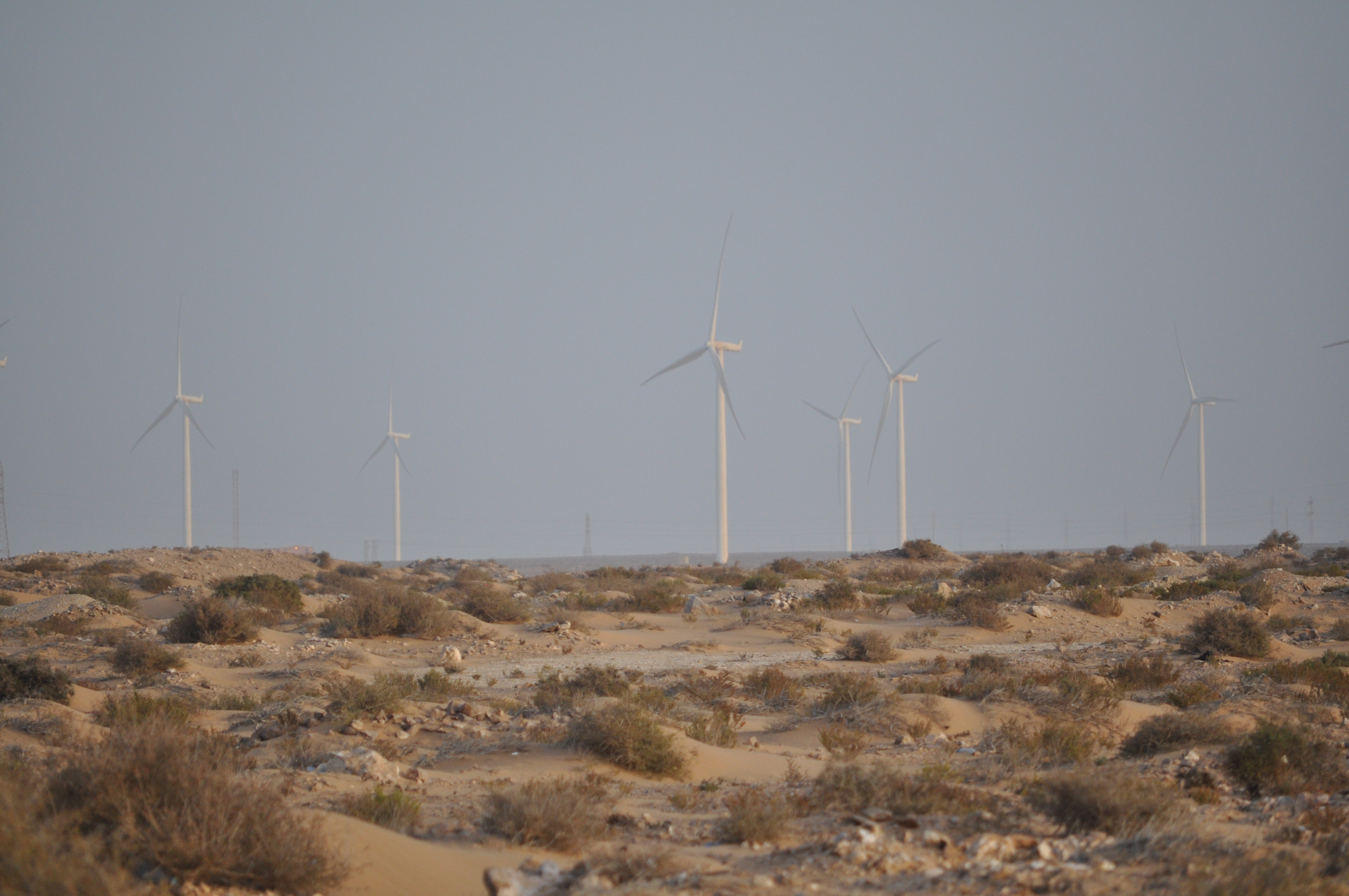
Le développement de l'hydrogène vert au Maroc franchit une étape décisive, sur un territoire dont il n'est pas propriétaire.
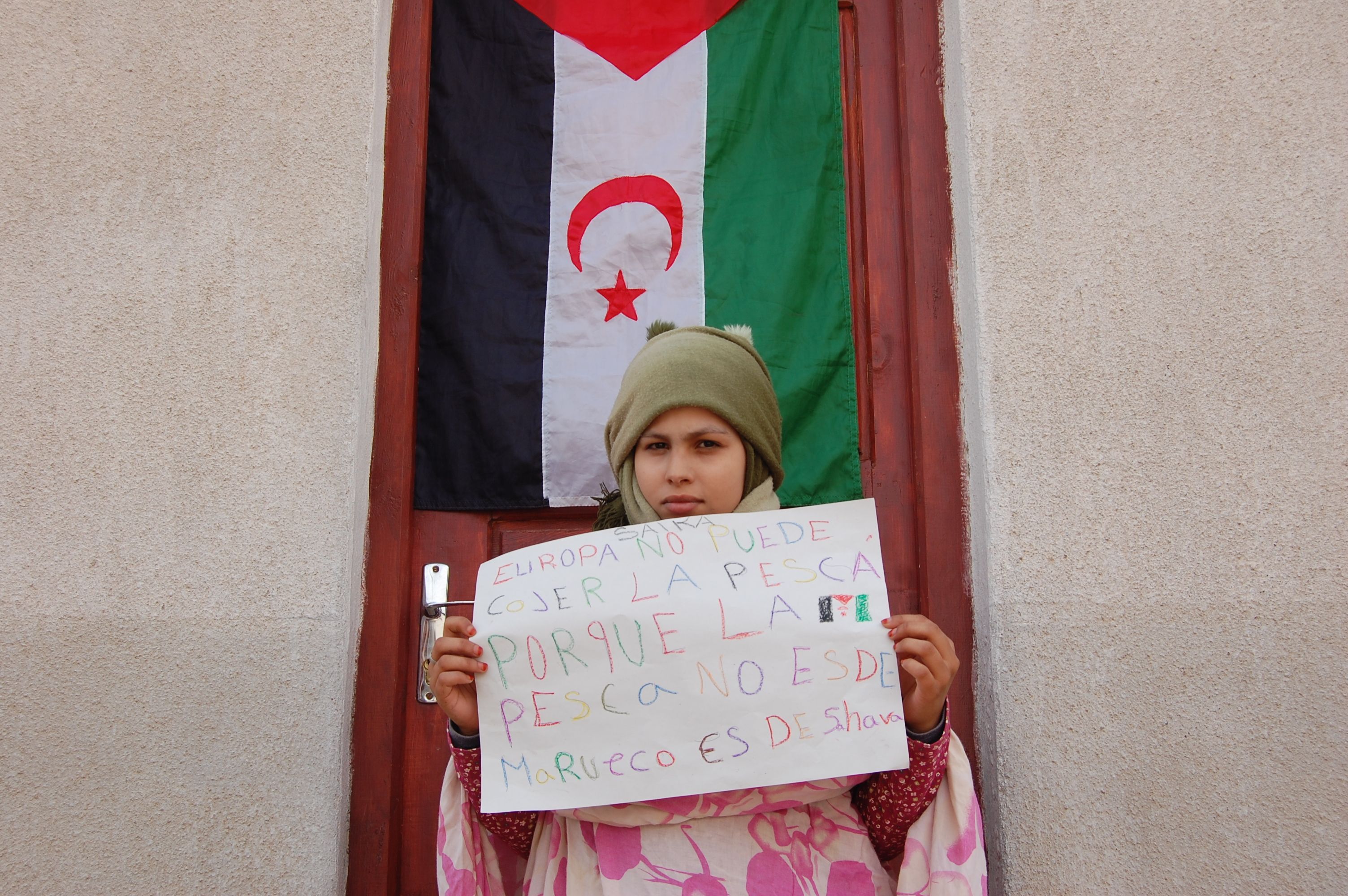
Une déclaration conjointe issue du Conseil d’association UE-Maroc de la semaine dernière invite les lecteurs à croire à une fiction : qu’un plan d’autonomie indéfini, imposé par une puissance occupante, puisse satisfaire au droit à l’autodétermination, et que le respect du droit international puisse coexister avec le mépris systématique de la Cour de Justice de l’Union Européenne.
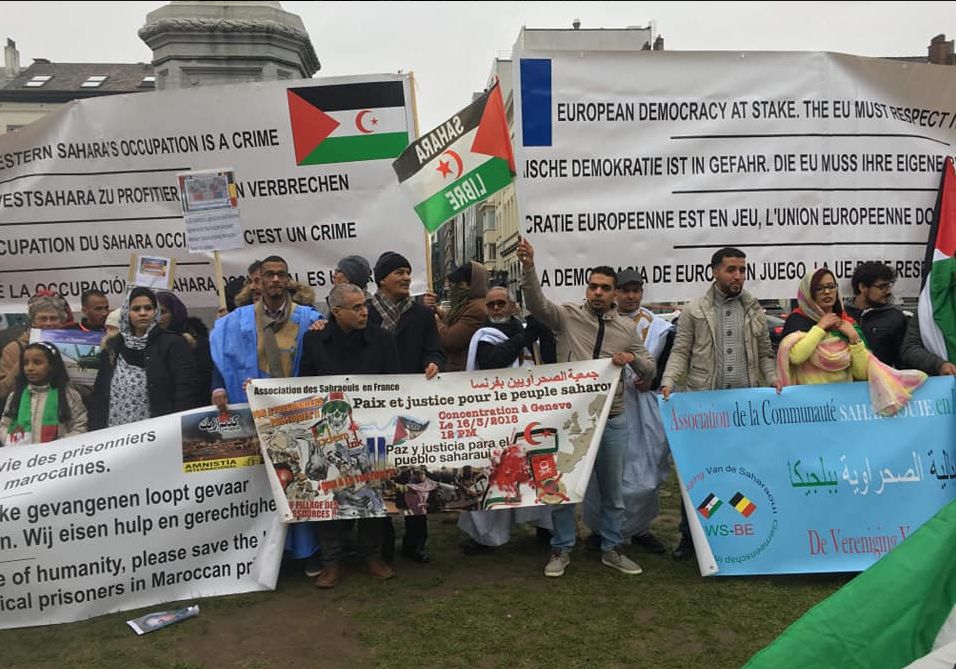
Alors que l'Union Européenne se rallie à juste titre au droit des Groenlandais à décider de leur propre avenir face aux pressions extérieures, un test de son véritable engagement en faveur de l'autodétermination se déroule discrètement à Bruxelles.
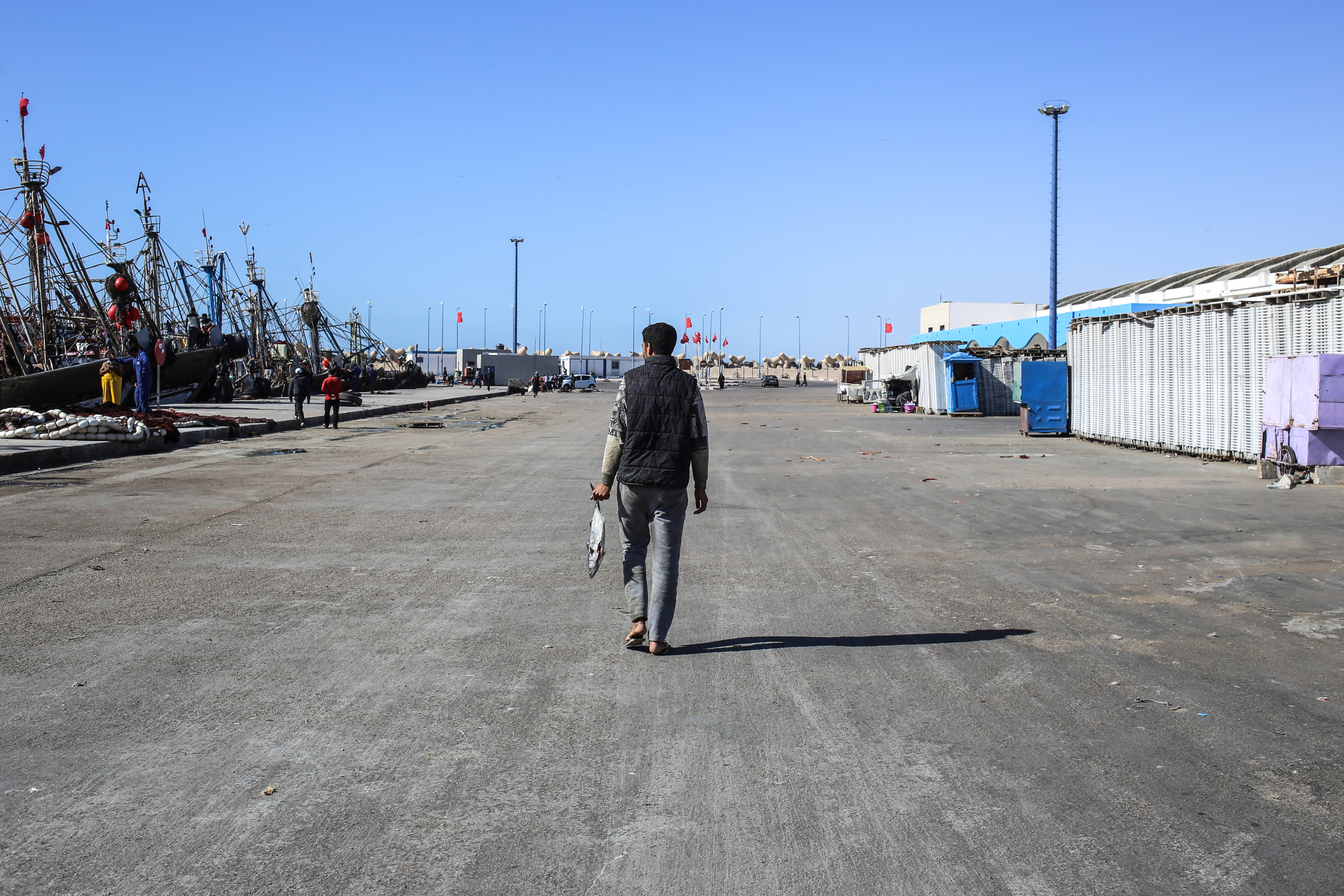
Un nouveau rapport révèle que les normes de certification internationales embellissent le commerce controversé du Maroc avec les produits de la pêche et de l'agriculture du Sahara Occidental occupé.