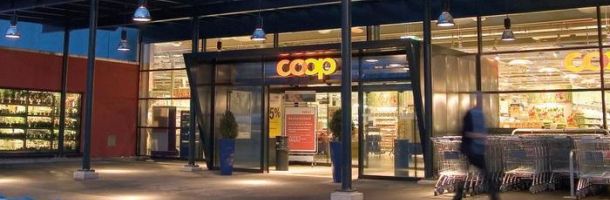
Coop, one of Switzerland's largest grocery chains, has announced it will cease to provide tomatoes from Western Sahara from 2017 onwards.
Coop's spokesperson Ramon Gander stated to Swiss media that the supermarket chain will stop purchasing Western Sahara tomatoes for environmental reasons; tomato production in Western Sahara depletes the fossil aquifers - the non-renewable underground water supplies in the desert area. Accordingly, Coop will import its cherry tomatoes from Spain and northern Morocco from 2017 onward.
The revelation was made to Swiss national media, in the prime time consumer program Kassensturz. The program can be viewed here (in German).
Coop's reason for ending the import thus differs from Coop Sweden and Coop Norway, which have both stopped selling tomatoes from Western Sahara in 2009 over legal concerns.
Two other Swiss retailers, Migros and Denner, are reportedly also reviewing their practices.
Martina Bosshard, spokesperson for Migros, said that they are looking into the situation, but they will not boycott products from Western Sahara. Seasonal imports of melons grown in Western Sahara are planned to go ahead. Migros does take the criticism seriously, Bosshard stated. The origin of the products labeled as from Morocco is reviewed on a regular basis. If these products are in fact from Western Sahara, Migros will leave the choice to the consumers by indicating the true origin of the products on the shop reference tags.
Denner has vine tomatoes and melons from Western Sahara on offer for short periods, said spokesperson Thomas Kaderli. He claims it is not possible to change the shop label, as the products do not originate in a recognised State.
Though their approach to products from Western Sahara differs, Coop, Migros and Denner do share a policy on products from Israeli settlements on Palestinian land. All three indicate the controversial origin on the reference tags in their shops, by stating the products come from Israeli settlement areas.

WSRW has followed the tomato exports from Western Sahara for years. In 2012, WSRW published the report Label and Liability, documenting how agricultural produce from Western Sahara ends up in European supermarkets, labelled as from Morocco.
In December 2015, the Court of Justice of the European Union annulled the EU-Morocco Free Trade Agreement, covering agricultural products, as it was applied in Western Sahara.
Ever since its invasion in 1975, Morocco has occupied a large part of Western Sahara. The United Nations consider the territory to be Non-Self Governing, and have not accorded Morocco an administering mandate. The indigenous Saharawi people have a universally accepted right to self-determination, the right to decide the future status of their land. Consequently, Morocco cannot undertake economic activities in the territory without the explicit free, prior informed consent of the Saharawis. But Morocco does precisely the opposite; while not allowing a referendum to take place, it continues to sell off Western Sahara's resources as if it is entitled to. However, it is not.
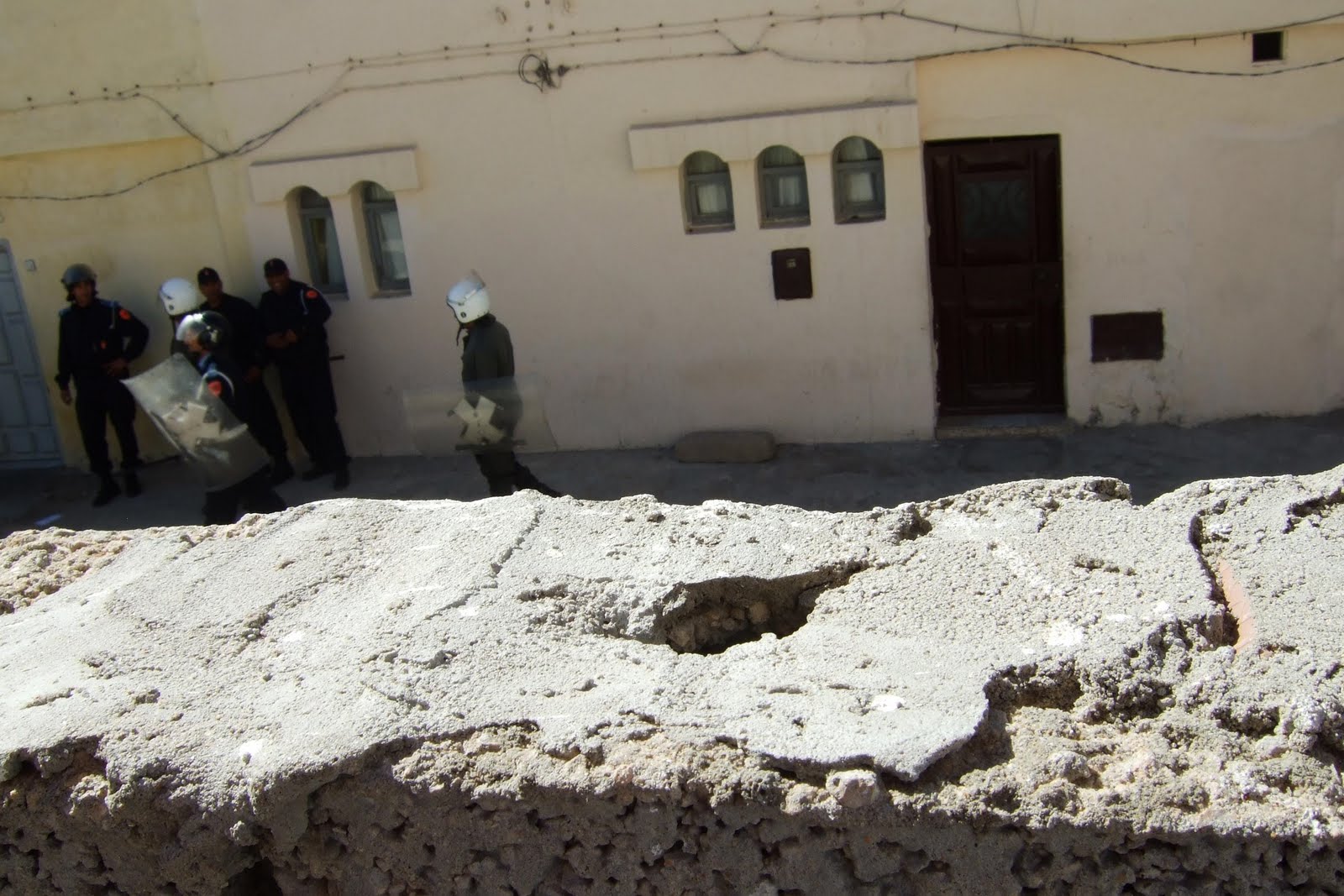
UN Security Council may endorse the occupation of Western Sahara
On the 30th of October, the UN Security Council may vote on a resolution on Western Sahara that sets aside the Saharawi people's right to self-determination, in violation of the UN Charter.
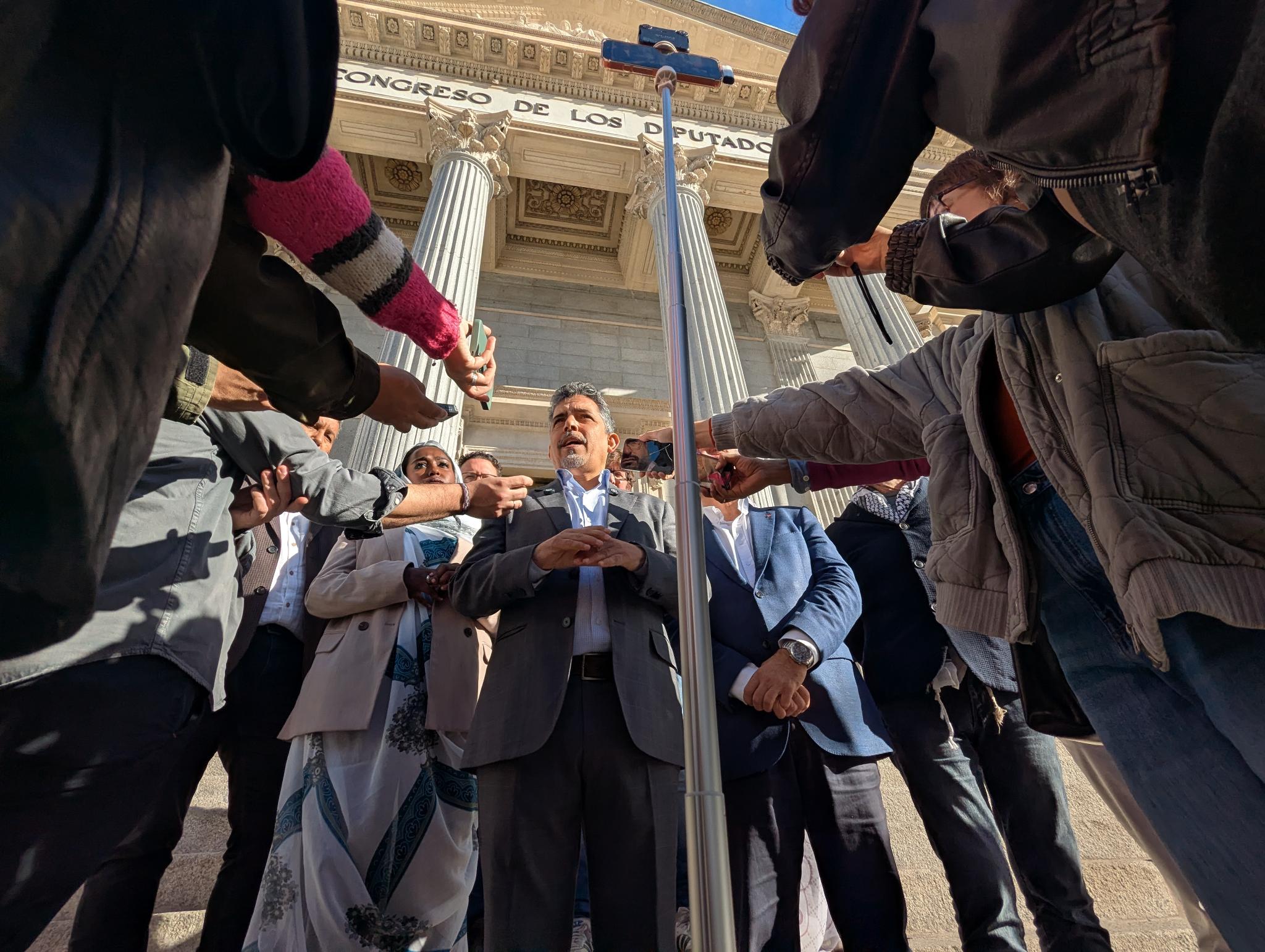
Polisario takes legal action to stop Ryanair
In a press conference in Madrid today, Polisario Front announced that the Western Sahara liberation movement is opening a legal case against the Spanish authorities for having issued a permit to Ryanair to fly to occupied Western Sahara.
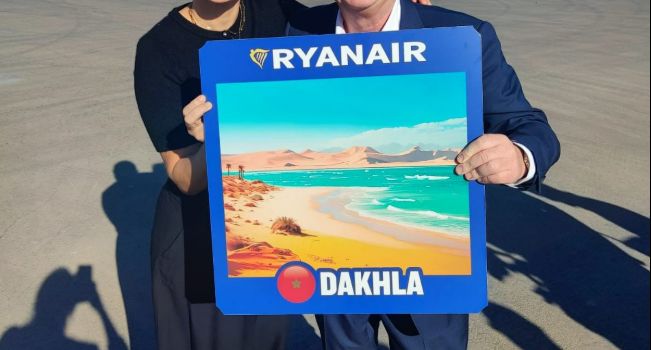
Irish ad watchdog: Ryanair misleading about flights to Western Sahara
In a preliminary decision, the Irish advertising watchdog says the airline’s ads are likely to mislead, as Dakhla is “not a part of Morocco”.
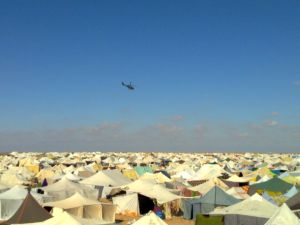
Gdeim Izik prisoners resume hunger strike
Saharawi political prisoners have resumed a hunger strike in Moroccan prisons, demanding their release, improved detention conditions and the implementation of UN decisions.