
In the budget committee's 11 October hearing, French MEP François Alfonsi, the committee's rapporteur on the EU-Morocco fish agreement, advised Parliament to dismiss the one-year extension of the EU-Morocco Fisheries Agreement.
According to the rapporteur, the one single agreement with Morocco eats away a sizeable percentage of the entire budget that the EU has set aside for these types of bilateral fisheries agreements. “25% of the fisheries budget line is spent on this agreement – that is a lot”, Alfonsi remarked.
The budget committee is assigned to evaluate the economic impact of the agreement, i.e. how tax payers’ money is being used. “Generally very disappointing”, is the general conclusion of the independent evaluation report issued by a consultancy firm at the request of the European Commission. That report qualifies the fisheries agreement with Morocco as placing the heaviest relative burden on EU tax payers of all EU agreements and the least cost-effective of all ongoing bilateral agreements.
Carl Haglund, rapporteur for the Fisheries Agreement and also member of the budget committee, added that “this deal does not benefit EU tax payers. Perhaps some Spanish fishermen, but not EU tax payers.”
The recommendation of budget’s rapporteur is in line with the observations of the rapporteurs of Parliament's development and fisheries committee. But the opposition to their conclusions is also remarkably similar in all three committees: mainly Spanish and French socialists and Christian-democrats accuse the rapporteurs of professing a political opinion on Western Sahara.
“The budget is a political issue if you look at the underpinning principles”, budget rapporteur Alfonsi argued. “Principles such as legal terms and sustainable development need to be met with the expenditure approved by this committee. And this agreement presents a double problem: it is not regular in legal terms, nor is it in line with the sustainable objectives that Parliament upholds”.
“Tax payers’ money needs to be spent wisely and legally”, he concluded.

Heidelberg Materials deepens its role in Morocco’s occupation of Western Sahara
The German company confirms once again that its operations in occupied Western Sahara are closely tied to Morocco’s infrastructure expansion in the territory - while continuing to dismiss the Saharawi people’s right to consent.

The conflict phosphates - four decades of plunder
For over 40 years, a Moroccan state-owned company has exported phosphate rock from occupied Western Sahara.
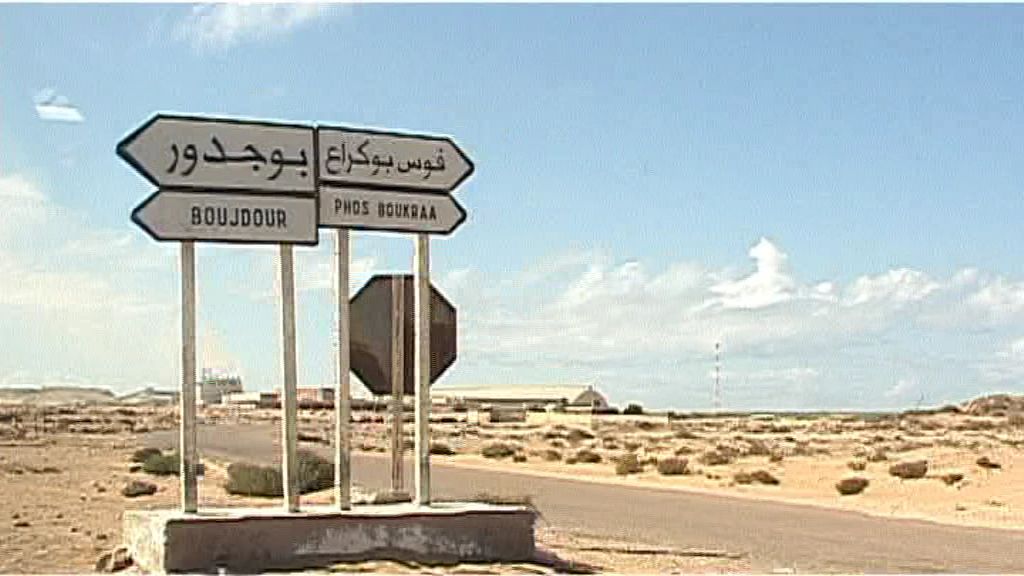
Record low number of importers of Western Sahara phosphates
Only three companies imported phosphate rock from occupied Western Sahara in 2025 - the lowest number ever recorded. The findings appear in our annual P for Plunder report, released today.

One of the richest coastlines in the world
The fish stocks of occupied Western Sahara have not only attracted the interest of the Moroccan fleet: other foreign interests are also fishing in the occupied waters through arrangements with Moroccan counterparts. Along the Western Saharan coastline, a processing industry has emerged.