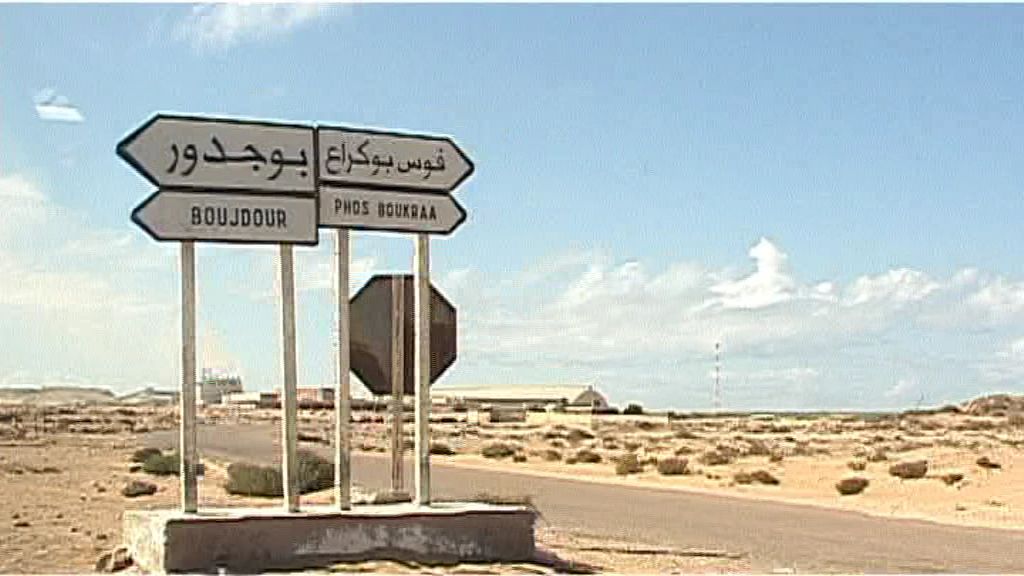
Only three companies imported phosphate rock from occupied Western Sahara in 2025 - the lowest number ever recorded. The findings appear in our annual P for Plunder report, released today.
All life on the planet, and so all agricultural production, depends on phosphorus, P. The element is found in phosphate rock and turned into fertilisers. For the people of Western Sahara, their P does not grow into benefits. It’s rather the opposite.
For the thirteenth year in a row, Western Sahara Resource Watch (WSRW) publishes a detailed, annual overview of the companies involved in the purchase of phosphates from occupied Western Sahara. The illegally exploited phosphate rock is one of the Moroccan government’s main sources of income from the territory it holds contrary to international law. The Saharawi people have been consistently outspoken against the trade, both in the UN, generally, and to specific companies.
Download the report here.
The list we present in this report is complete for calendar year 2025, naming all shipments of phosphates from occupied Western Sahara. A total of 36 vessels departed the territory with approximately 2.02 million tonnes of phosphate rock, a large increase from the 1.45 million tonnes of 2024. Export volumes of this magnitude have not been recorded by WSRW in a single calendar year since 2014.
Morocco has since 2021 carried out large investments in the port and in the Bou Craa facilities. Since the occupation began in 1975, Morocco has only sold raw phosphate rock. In the very near future, perhaps even within a year from now, the phosphates will also be exported in a more valuable, processed form. This will make the trade more lucrative. Morocco’s income from the Bou Craa mine has risen since 2021, particularly as a consequence of Russia’s invasion of Ukraine. It is difficult to determine the exact value of the trade, but WSRW estimates that it could amount to approximately USD 376.5 million for the year 2025.
By far the largest importing country in 2025 was India, which received 1.34 million tonnes, followed by Mexico with 508,000 tonnes and New Zealand with 171,000 tonnes. Never before have so few countries imported during a single calendar year.
Imports to India increased significantly last year, with the company receiving cargoes on average twice a month - double the number of shipments compared to the year before.
WSRW calls on the remaining companies involved in the trade to immediately halt all purchases and all shipments of Western Sahara phosphates until a solution to the conflict has been found. Investors are requested to engage or divest unless action is taken.
Since you're here....
WSRW’s work is being read and used more than ever. We work totally independently and to a large extent voluntarily. Our work takes time, dedication and diligence. But we do it because we believe it matters – and we hope you do too. We look for more monthly donors to support our work. If you'd like to contribute to our work – 3€, 5€, 8€ monthly… what you can spare – the future of WSRW would be much more secure. You can set up a monthly donation to WSRW quickly here.
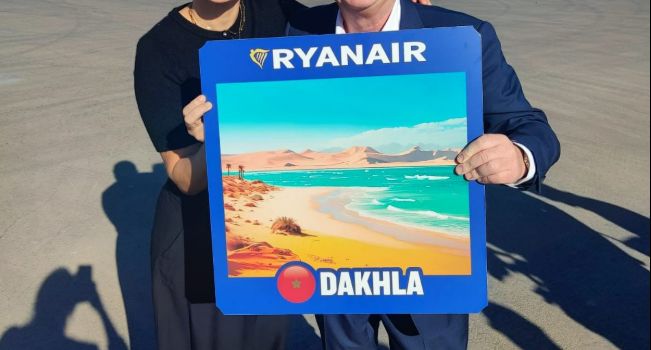
Irish ad watchdog: Ryanair misleading about flights to Western Sahara
In a preliminary decision, the Irish advertising watchdog says the airline’s ads are likely to mislead, as Dakhla is “not a part of Morocco”.

Gdeim Izik prisoners resume hunger strike
Saharawi political prisoners have resumed a hunger strike in Moroccan prisons, demanding their release, improved detention conditions and the implementation of UN decisions.
SRI update
The following overview enlists stock-exchange registered companies with current or recent operations in occupied Western Sahara. Updated 28 September 2026.
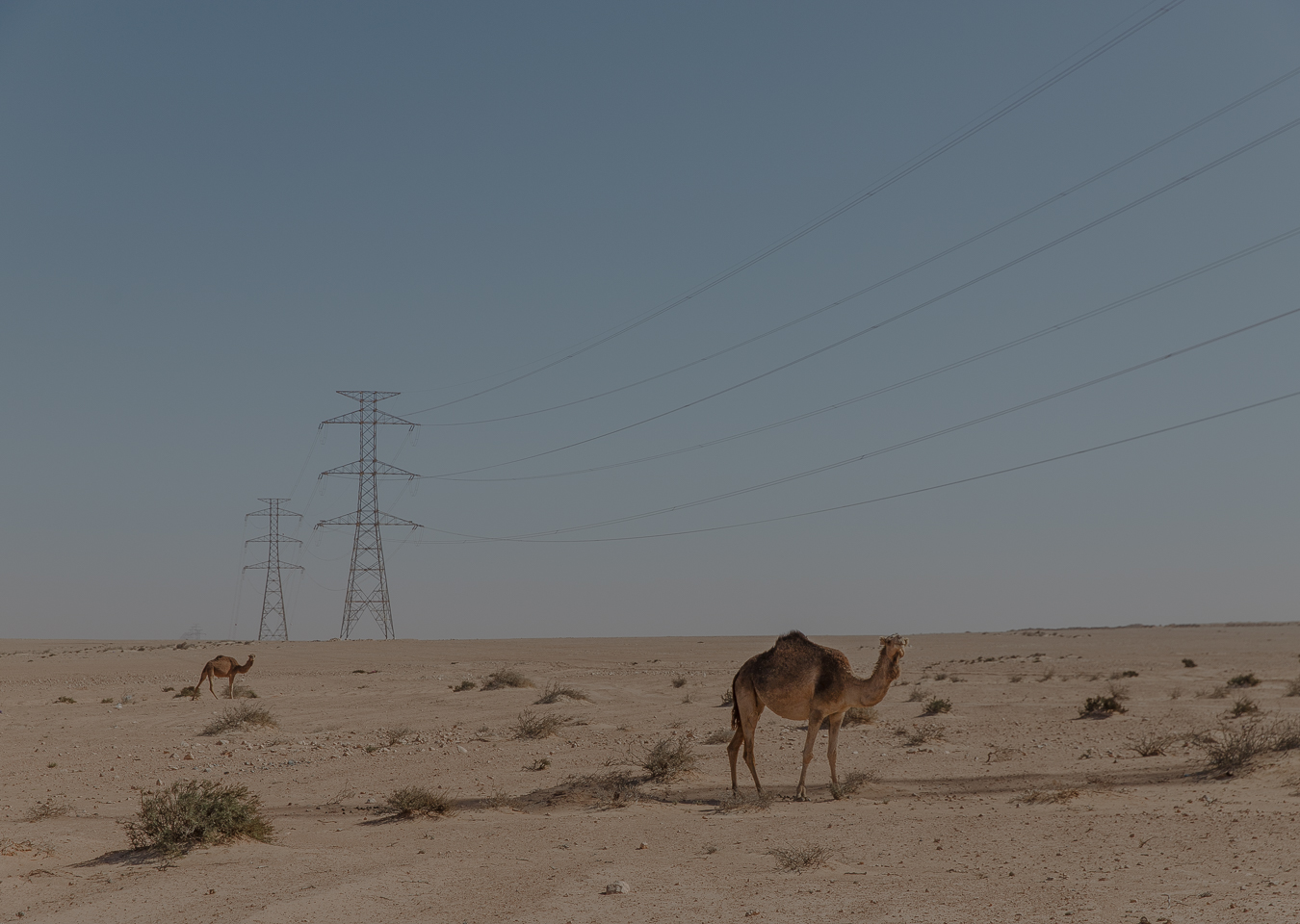
Another company of the Moroccan king involved in occupied Western Sahara
A company closely linked to Morocco’s royal business network has entered a new project in occupied Western Sahara, partnering with a Chinese state-owned electricity giant on high-voltage infrastructure in Boujdour.