Press release,
AWSA, AUWS
30 October 2011
The Allegra is due to arrive on Monday 31 October at Risdon in Hobart bringing phosphate rock from Western Sahara. The importer is believed to be Impact Fertilisers Australia (impactfert.com.au/) at Derwent Park. It is used for making superphosphate fertiliser, essential in agriculture for improving pasture and many crops. Without knowing it, Australians eat this phosphate every day.
AWSA and AUWS are asking Customs to check how the country of origin for the cargo is specified in the importation documents. If it says Morocco, this wrong and needs correcting. If it says Western Sahara, then the importer needs to produce evidence that the Saharawi people have consented to the sale of their phosphate rock.
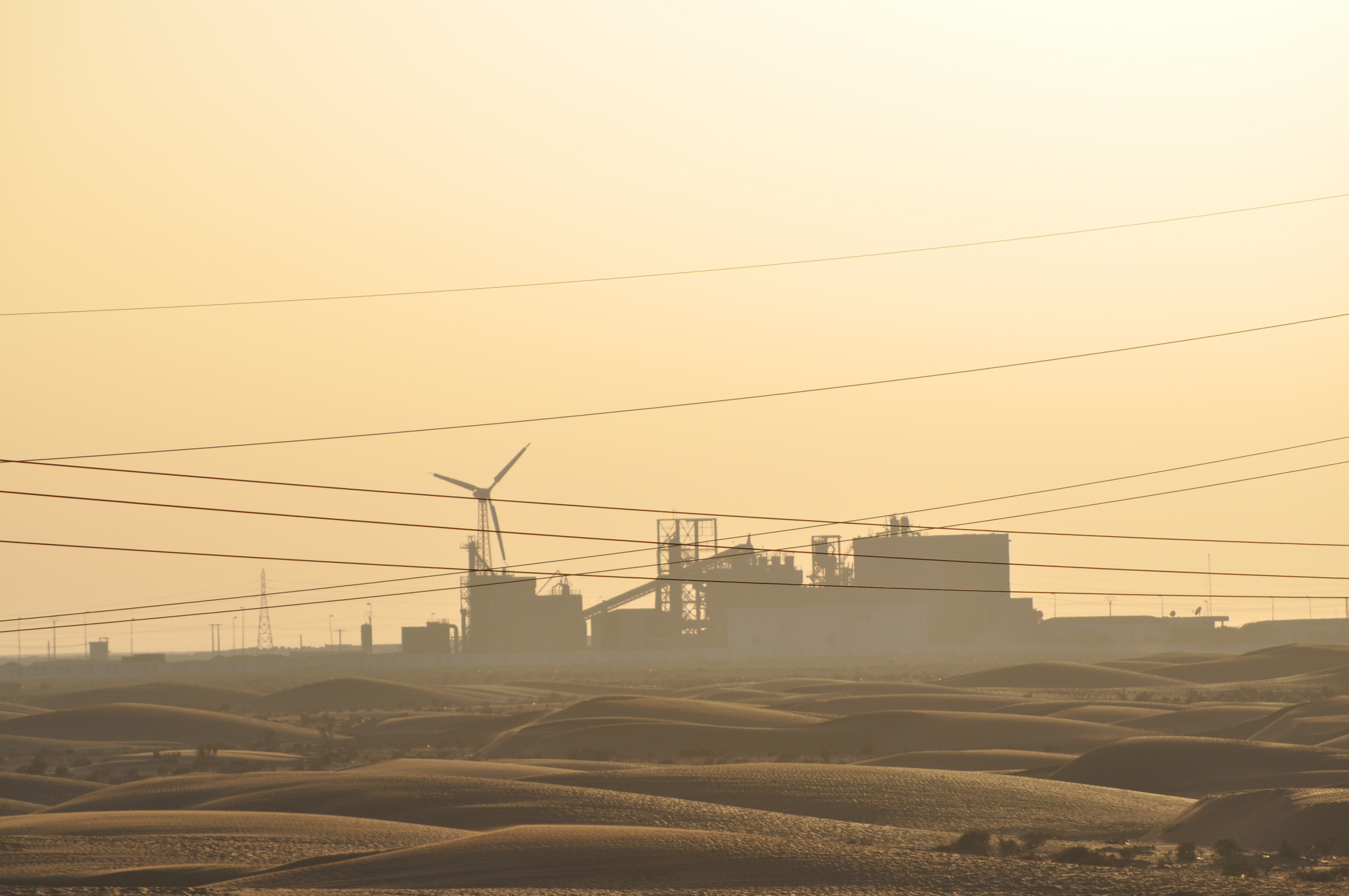
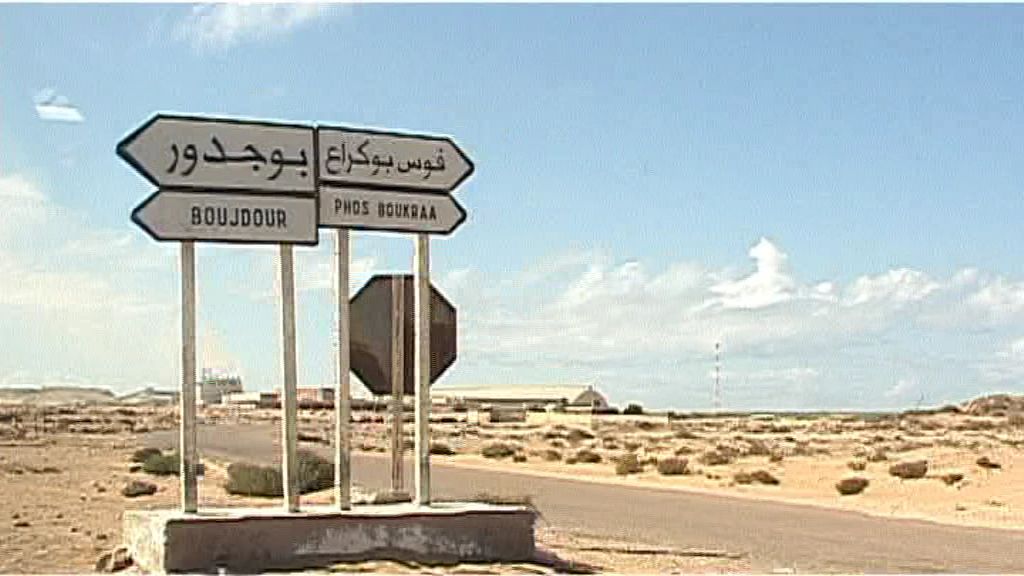
The phosphate rock comes from Bou Craa mine in Western Sahara, which is therefore its country of origin. It is sold by a Moroccan company, OCP (Office Cherifien des Phosphates), which is how it might be listed as coming from Morocco. Morocco occupies most of Western Sahara by force (including Bou Craa) and its exploitation of Saharawi natural resources is taking place against the will of the local indigenous people, the Saharawi.
AWSA and AUWS therefore believe that the importation into Australia of this phosphate from Western Sahara, sold by Morocco is contrary to international law and unethical. In importing this material, Australia gives tacit support to a brutal regime which crushes the territorial and human rights of the Saharawi, to whom the natural resources rightfully belong.
In a dramatic and dangerous development, three humanitarian aid-workers in the Saharawi refugee camps were kidnapped last Saturday night (22 October).
Noone has claimed responsibility for the attack, no news has been received of the whereabouts of the hostages nor any demands or threats made by their abductors. The Saharawis say they came from Mali and returned in that direction. Further information on :
arso.org, spsrasd.info/en
AWSA made a statement which can be found on awsa.org.au See also Pambazuka.org
The aid workers are essential to ensuring the flow of international aid on which the Saharawi refugee camps depend and have depended for 36 years. It was in 1975 when the Moroccans bombarded the former Spanish colony of Western Sahara that over half the population fled to neighbouring Algeria. They were given refuge near the south western town on Tindouf and have lived there ever since in well-run camps where they have set up their own democratically elected government-in-exile. It is a harsh desert where no people have ever lived before and after 36 years there are many problems.
The other part of the population face different hardships living with military rule and tight security. Under Moroccan occupation there is no freedom of association, of movement or expression and even calling for the right to self-determination, which is required by the United Nations, leads to arrest and torture.
“The Australian government should ban the import of phosphate from Western Sahara until a vote of self-determination is held to settle this long-running conflict and decolonise the last colony in Africa,” said Lyn Allison, President of AWSA.
Further information
See audio transcript of a meeting at the Australian Institute of International Affairs on 5 October “Western Sahara and its phosphate rock: is Australia in a hard place?” with Kamal Fadel, Western Sahara representative to Australia and Tim Robertson SC on www.aiia.asn.au/vic-papers
Cate Lewis 0407 288 358
Australia Western Sahara Association (www.awsa.org.au)
Ron Guy 0428 173 970
Australian Unions for Western Sahara
Heidelberg Materials deepens its role in Morocco’s occupation of Western Sahara
The German company confirms once again that its operations in occupied Western Sahara are closely tied to Morocco’s infrastructure expansion in the territory - while continuing to dismiss the Saharawi people’s right to consent.

The conflict phosphates - four decades of plunder
For over 40 years, a Moroccan state-owned company has exported phosphate rock from occupied Western Sahara.
Record low number of importers of Western Sahara phosphates
Only three companies imported phosphate rock from occupied Western Sahara in 2025 - the lowest number ever recorded. The findings appear in our annual P for Plunder report, released today.

One of the richest coastlines in the world
The fish stocks of occupied Western Sahara have not only attracted the interest of the Moroccan fleet: other foreign interests are also fishing in the occupied waters through arrangements with Moroccan counterparts. Along the Western Saharan coastline, a processing industry has emerged.