
Settlers from Morocco cultivate lucrative quantities of tomatoes and melons at the King of Morocco's plantation in Dakhla, occupied Western Sahara. Faced with incessant job-cuts, these workers are currently staging a protest in Casablanca. Nipping further protests in the bud, the authorities have promised them their jobs back.
At the Moroccan King's plantation in Dakhla, occupied Western Sahara, vast quantities of tomatoes and melons are cultivated by Moroccan settlers. Faced with incessant job-cuts, these workers are currently staging a protest in Casablanca.
At a few dozens of kilometres from Dakhla lies the Royal Domain of Tiniguir, the King of Morocco’s plantation in the land he illegally occupies. Created in 1989 at the instruction of the late king Hassan II, Tiniguir was the pilot project for agriculture in the region. From the get-go, it employed Moroccan workers, excluding the local Saharawi population. To attract workforce from Morocco proper, small houses were erected on the Domain’s grounds.
Since August 2010, small groups of labourers have been continuously let-off and evicted from their homes on Tiniguir. A solidarity protest on the plantation resulted in another 40 people being dismissed. Since then, the workers have united themselves in a trade union, which has started a sit-in in front of the General Administration for Agricultural Properties in Casablanca on 3 November. The wali from Dakhla has promised them their jobs back if they immediately end their protest and report for duty at the wilaya.
Attempting to diminish the region’s dependency on fisheries, Tiniguir was launched as a pilot project in 1989 at the instruction of the late king Hassan II. Its success has drawn numerous investors to the Dakhla region, which today harbours around a dozen plantations.
The Royal Domain of Tiniguir spans at least 600 hectares. The cultivation of tomatoes and melons in greenhouses assures high yields – respectively 250 tonnes per hectare and 60 tonnes per hectare. In addition, cucumbers, bananas and pineapples are farmed.
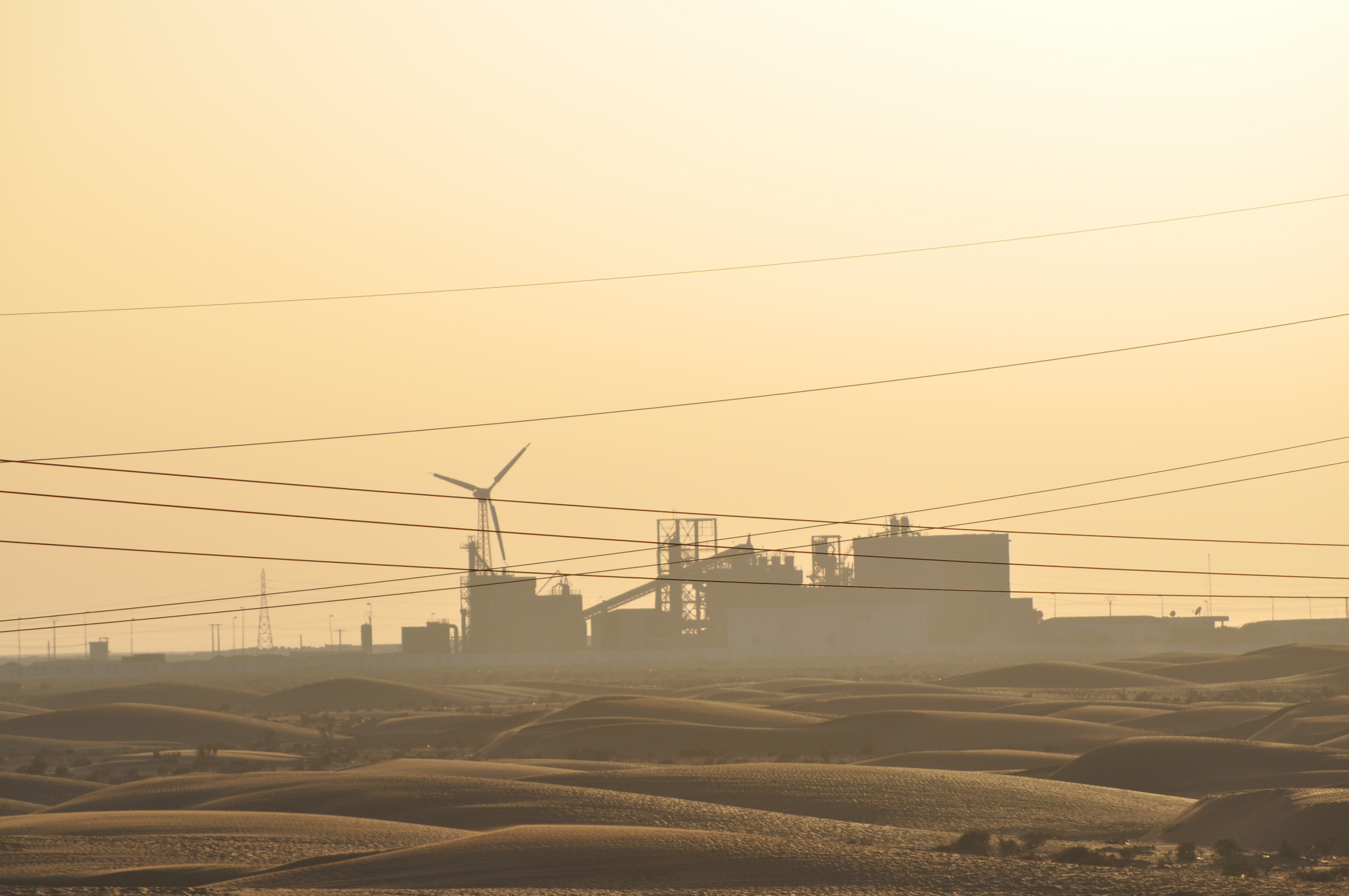
Heidelberg Materials deepens its role in Morocco’s occupation of Western Sahara
The German company confirms once again that its operations in occupied Western Sahara are closely tied to Morocco’s infrastructure expansion in the territory - while continuing to dismiss the Saharawi people’s right to consent.

The conflict phosphates - four decades of plunder
For over 40 years, a Moroccan state-owned company has exported phosphate rock from occupied Western Sahara.
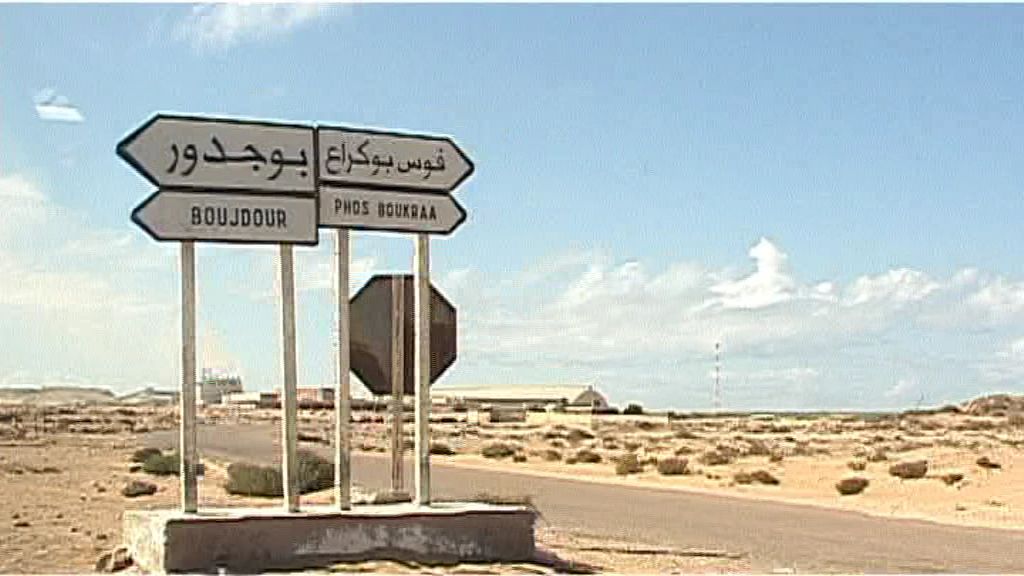
Record low number of importers of Western Sahara phosphates
Only three companies imported phosphate rock from occupied Western Sahara in 2025 - the lowest number ever recorded. The findings appear in our annual P for Plunder report, released today.

One of the richest coastlines in the world
The fish stocks of occupied Western Sahara have not only attracted the interest of the Moroccan fleet: other foreign interests are also fishing in the occupied waters through arrangements with Moroccan counterparts. Along the Western Saharan coastline, a processing industry has emerged.