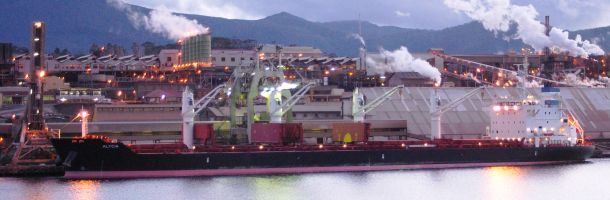
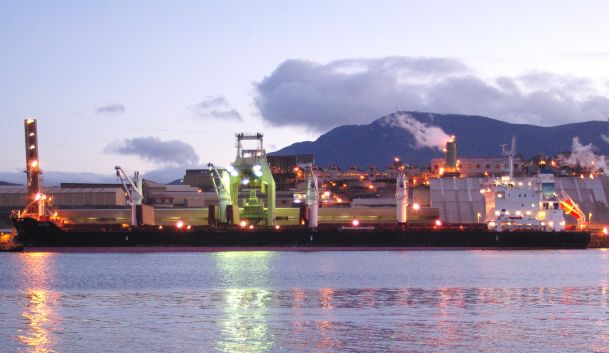
The vessel 'Alycia' arrived on Tuesday 7 August 2012 at Risdon dock in Hobart, ready to discharge its controversial cargo of phosphate from occupied Western Sahara for the local fertilizer producer Impact Fertilisers.
The Tasmanian fertiliser company Impact has for a number of years purchased phosphate rock from occupied Western Sahara. The purchases contribute to uphold the occupation of the territory. It comes labelled as import from 'Morocco' although it really comes from Western Sahara. Morocco illegally and brutally occupied Western Sahara in 1975.
The phosphate rock is used to make superphosphate fertiliser used mainly to improve pasture, but sometimes for crops.
The Maltese flagged vessel (IMO number 958336) loaded the cargo in occupied territory on 18 June 2012.
It is owned by a Greek shipping company. The image above shows the vessel docked at the harbour in Risdon, Tasmania, on 7 August 2012.
The Australian Western Sahara Association protests the purchase by Australian companies of phosphate coming from Western Sahara which is sold by the occupying power, Morocco, without consulting the indigenous Saharawi people, without their consent, and giving them no benefit.
WSRW has on several occasions called on Impact to halt its unethical purchases.
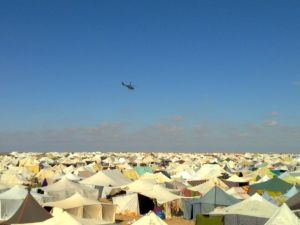
In October-November 2010 tens of thousands of Saharawis held a protest camp at Gdeim Izik, near the occupied capital, El Aaiun. They complained that they were being treated as second class citizens in their own country, while Morocco exploited their natural resources for its profit.
Gdeim Izik prisoners resume hunger strike
Saharawi political prisoners have resumed a hunger strike in Moroccan prisons, demanding their release, improved detention conditions and the implementation of UN decisions.
SRI update
The following overview enlists stock-exchange registered companies with current or recent operations in occupied Western Sahara. Updated 28 September 2026.
Another company of the Moroccan king involved in occupied Western Sahara
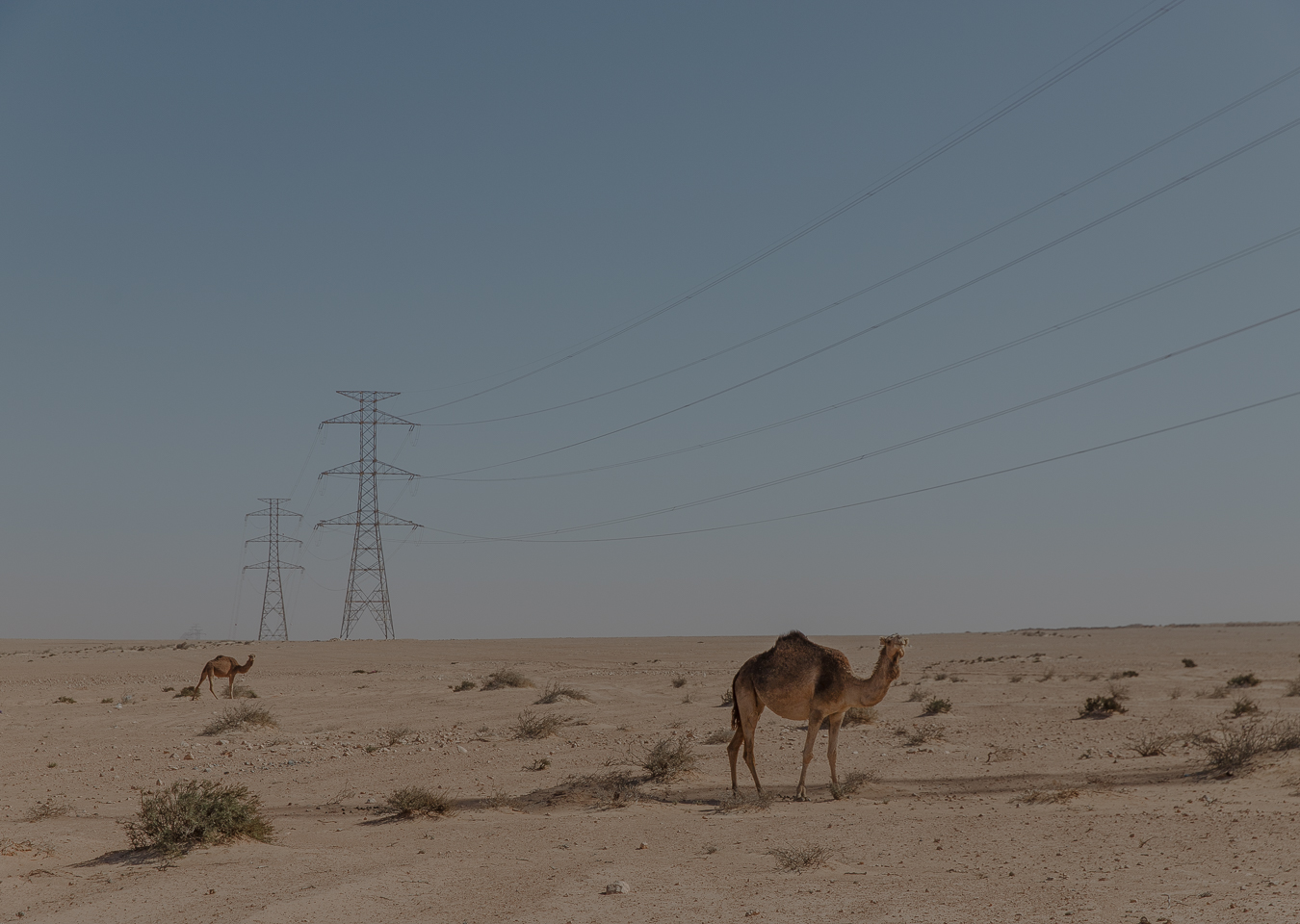
A company closely linked to Morocco’s royal business network has entered a new project in occupied Western Sahara, partnering with a Chinese state-owned electricity giant on high-voltage infrastructure in Boujdour.
Don't let resource exploitation decide Western Sahara's future
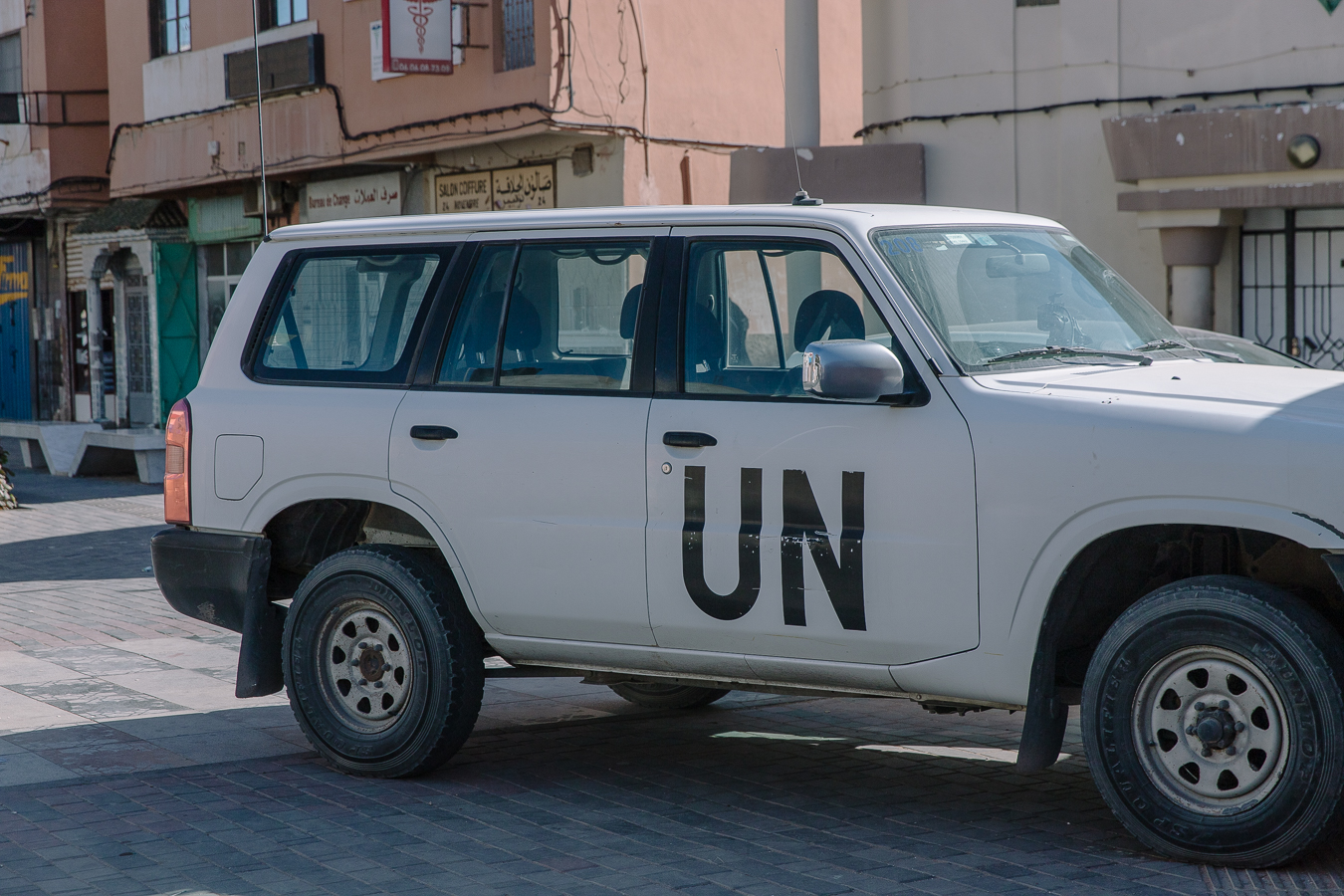
Western Sahara Resource Watch calls on the UN to address the accelerating exploitation of the territory’s natural resources - and prevent it from becoming an even greater obstacle to self-determination.