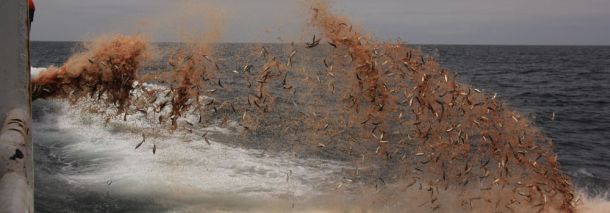
An increasingly large fleet of foreign vessels work offshore Western Sahara. This shocking series of new images show how the fisheries are managed in the waters that Morocco occupies.
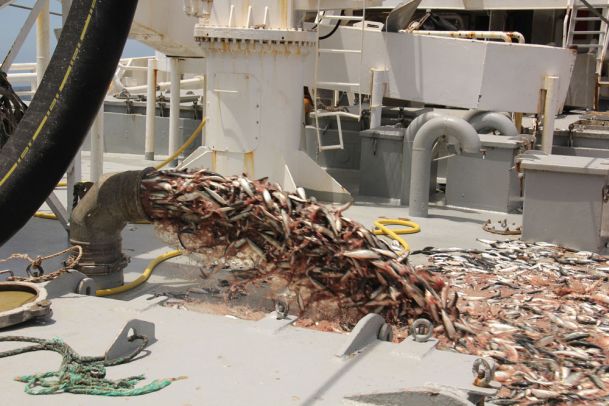
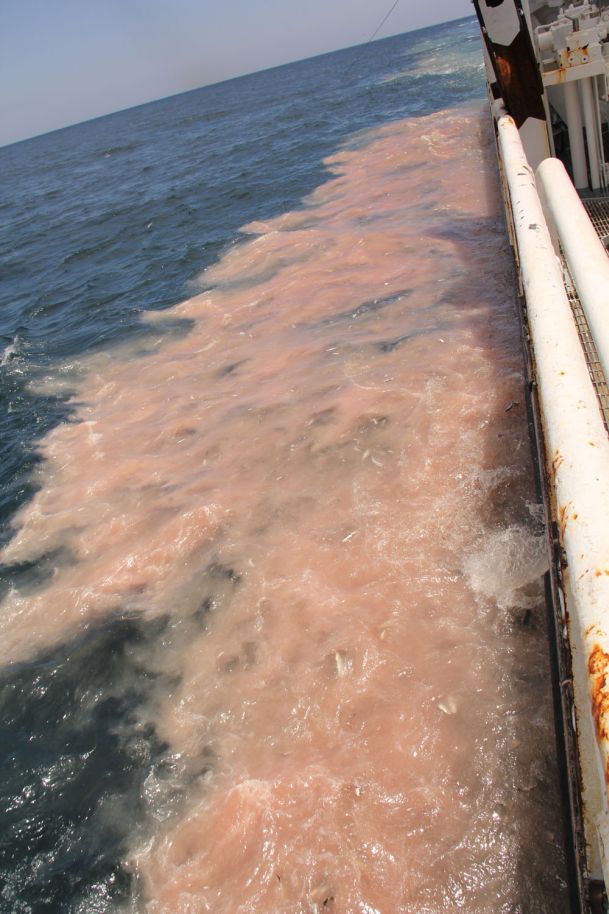
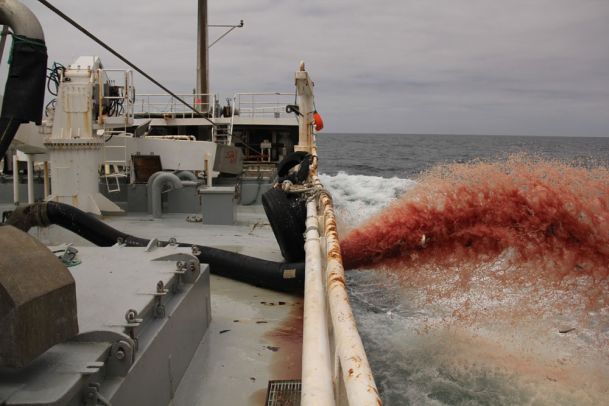
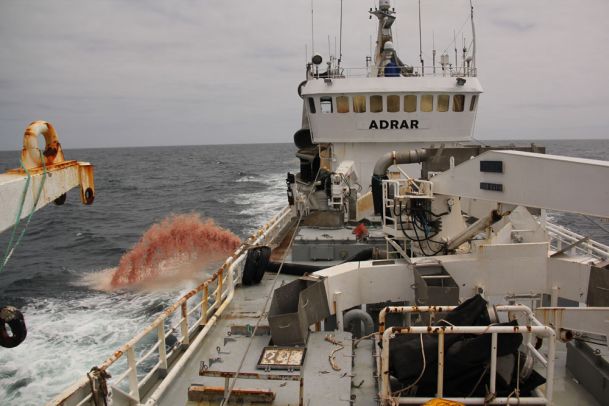
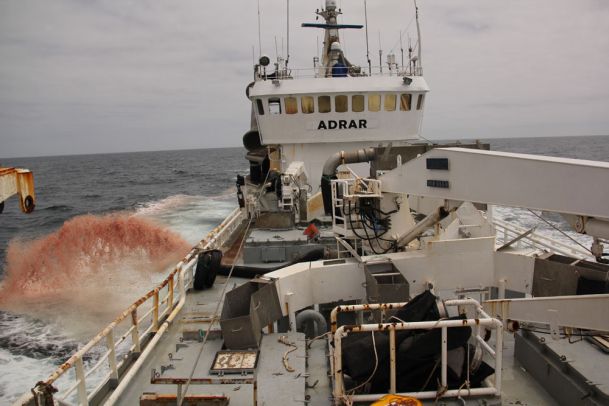
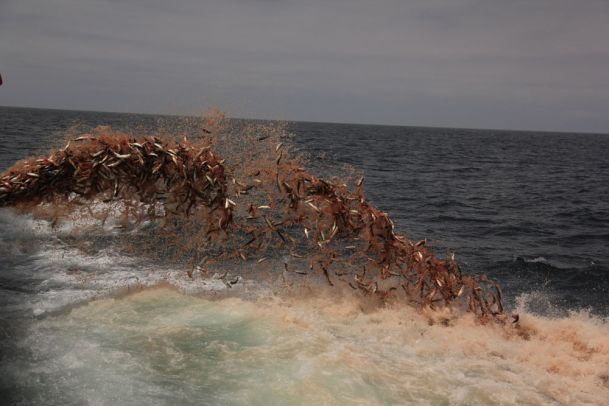
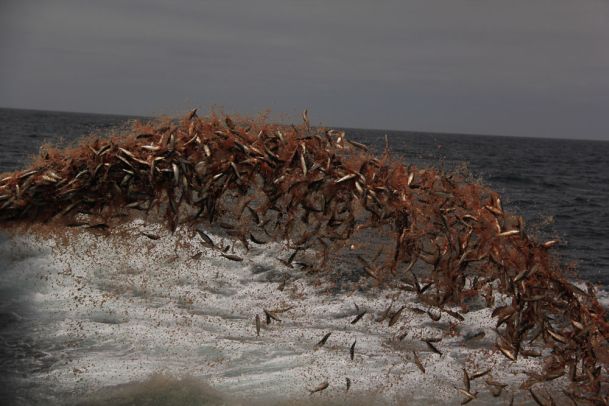
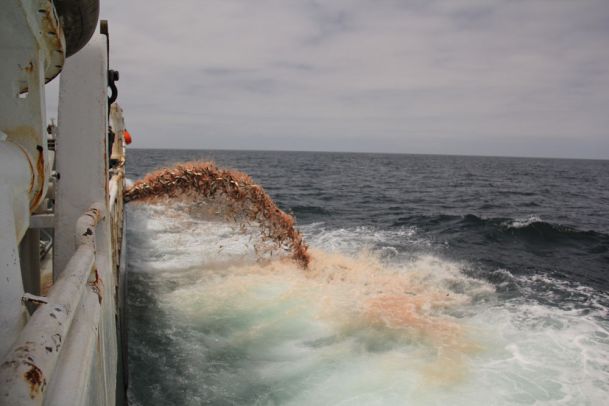
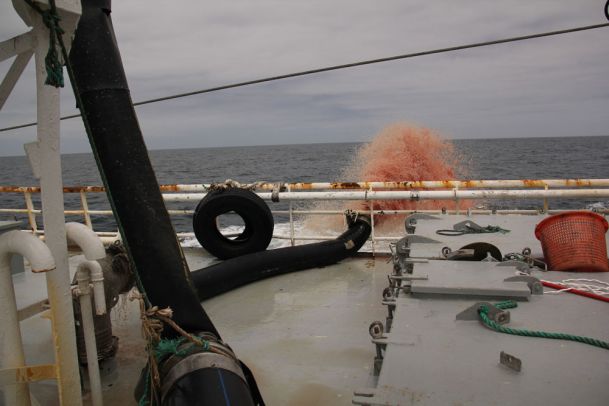
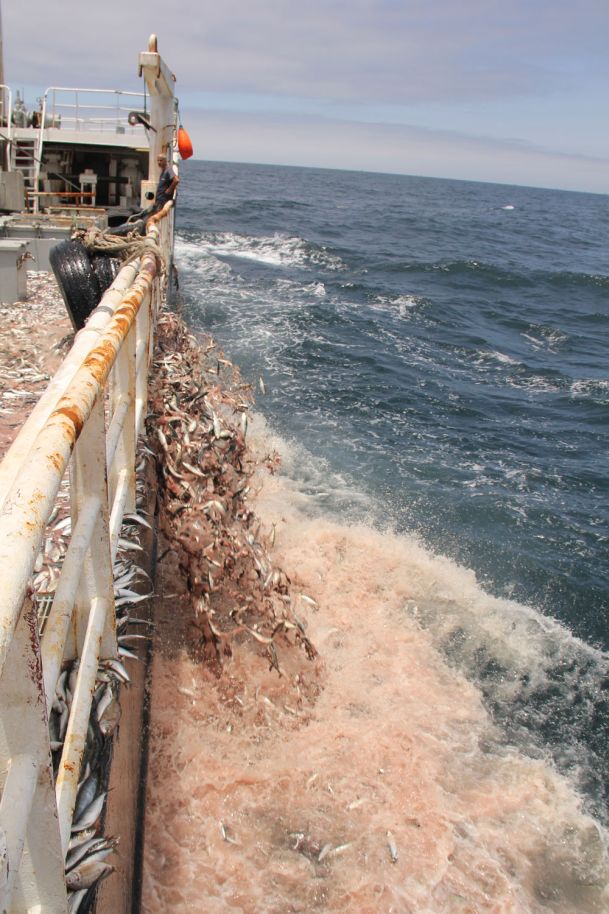
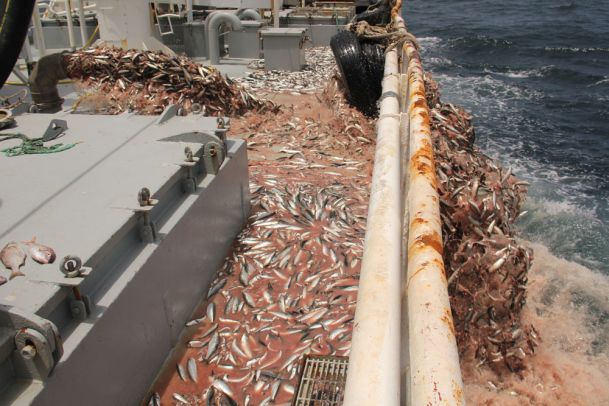
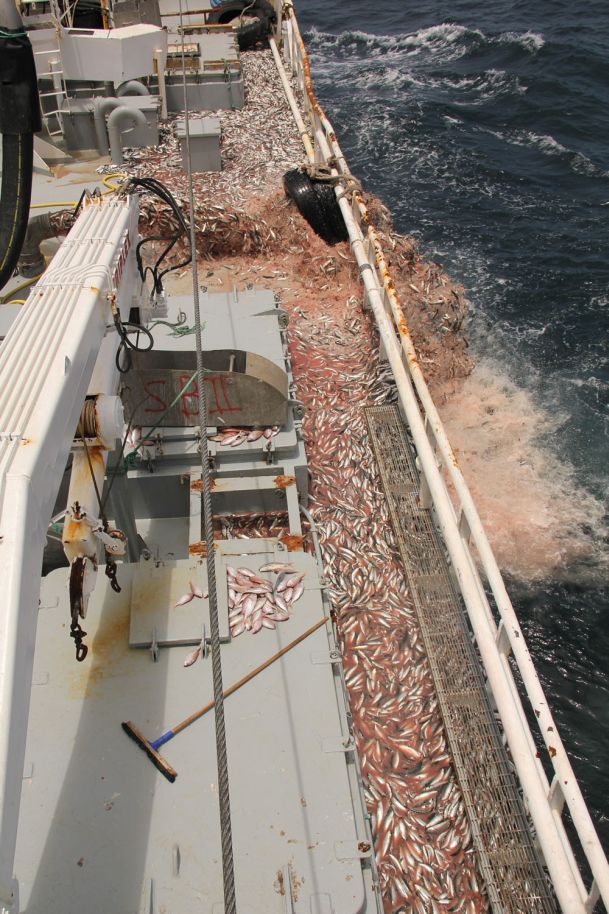
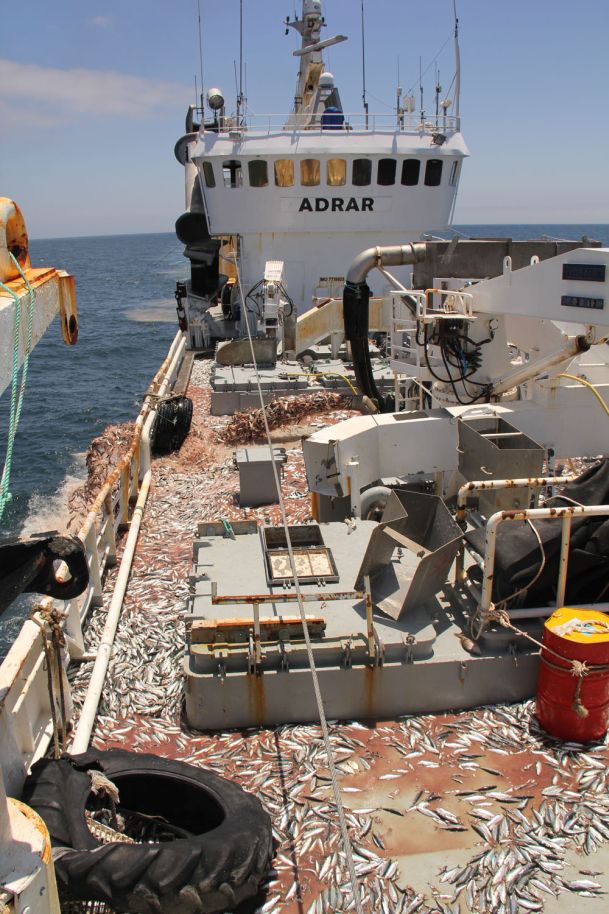
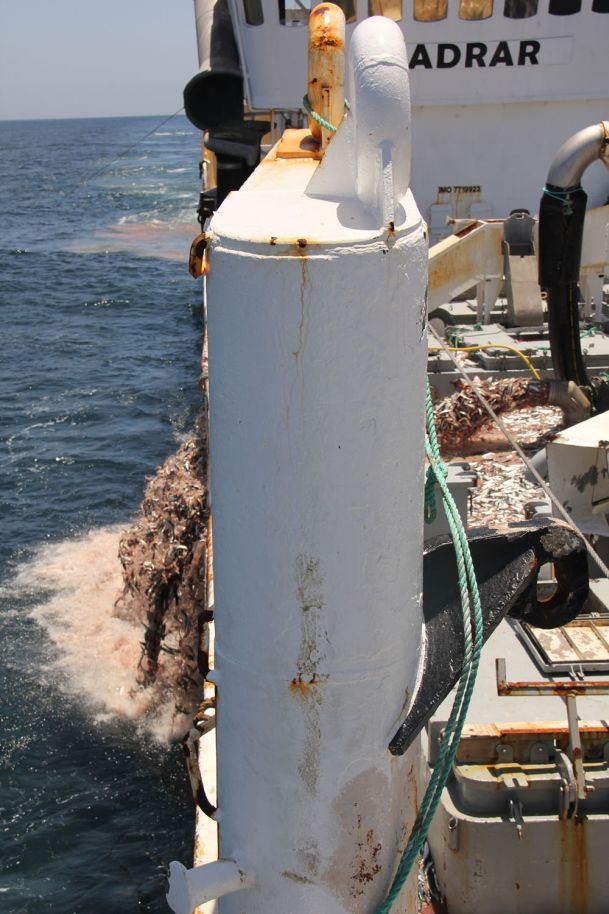
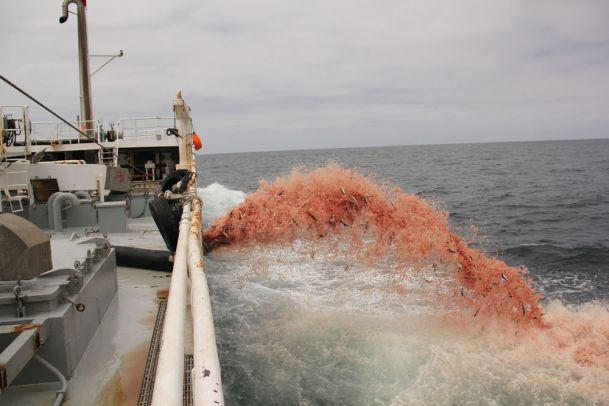
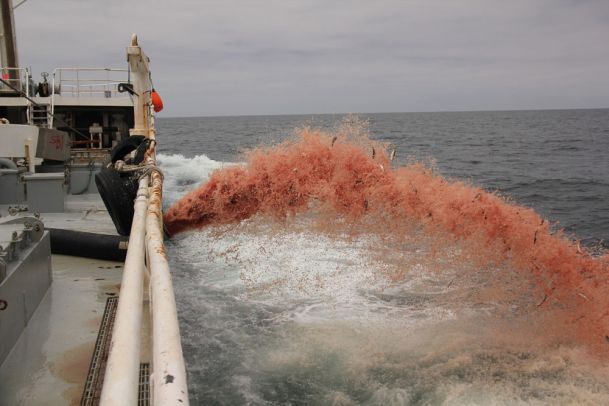
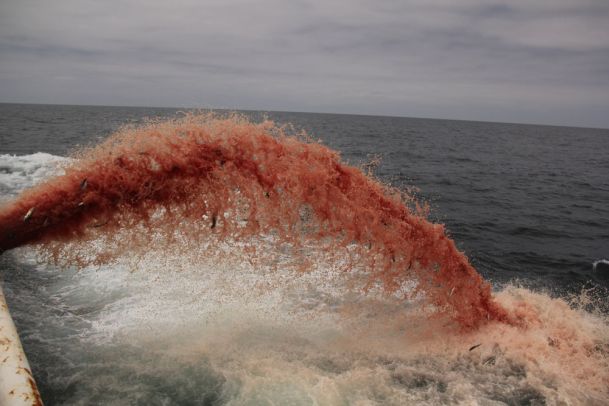
The images below were this week obtained by Western Sahara Resource Watch. They reveal the Belize flagged, Morocco owned, vessel Adrar, pumping sardina overboard. The operation shows supposedly 60 tonnes of sardines pumped overboard.
From what WSRW has been told, the owners were not happy with the size of the sardines – they did not fit with the canning factory in Agadir. At the time, the vessel was located at 24 degrees south, in the waters of Western Sahara.
More than 1000 tons have supposedly been discarded this year by this vessel alone. The order to discard the fish is said to have come from the owners of the vessel, Pelagic Armador, in Casablanca, Morocco.
Half the people of Western Sahara are living as refugees in Algeria, following the brutal Moroccan occupation of Western Sahara. They receive one tin of the same fish species, sardines, donated as humanitarian aid every month. Those sardines are from China.
"It is time that the Moroccan and international plunder of Western Sahara fisheries resources are dealt with in an international court. Morocco has no right to treat these resources as if they were their own", stated Sara Eyckmans, coordinator of Western Sahara Resource Watch.
The last 2-3 years, a large Moroccan fleet of vessels similar to the Adrar have been operating in Western Sahara, in parallel with the Russian fleet. Now, also the EU wants to dig into these fish stocks, by signing a fisheries agreement with Morocco.
According to this document from the investment company Mutandis in May this year, the Adrar/Pelagic Armador is 100% owned by LGMC, where the director general of Adrar is Omar Bennani.
It is not the first time that WSRW documents discards in Western Sahara. Video to the right is from the same area around Dakhla, 2012.
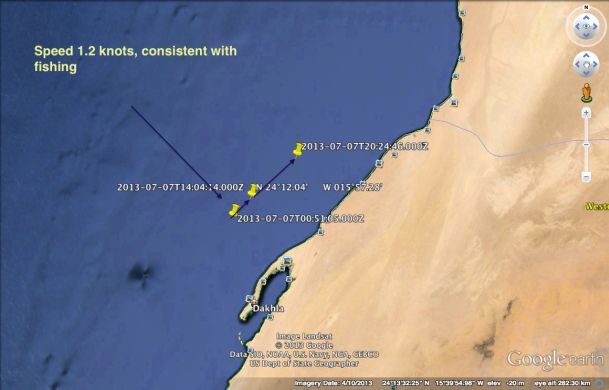
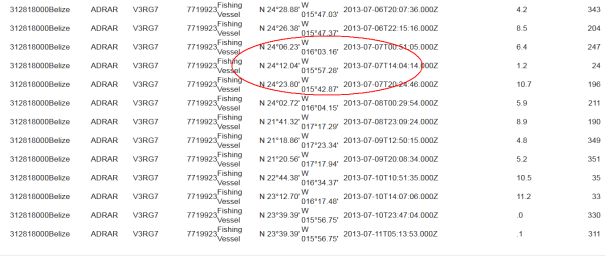
The vessel was doing a speed of 1,2 knots the day the image was taken, consistent with fishing activity. See map below the route the vessel took those days.
Download the images for higher resolution. Free use.
Gdeim Izik prisoners resume hunger strike
Saharawi political prisoners have resumed a hunger strike in Moroccan prisons, demanding their release, improved detention conditions and the implementation of UN decisions.
SRI update
The following overview enlists stock-exchange registered companies with current or recent operations in occupied Western Sahara. Updated 28 September 2026.
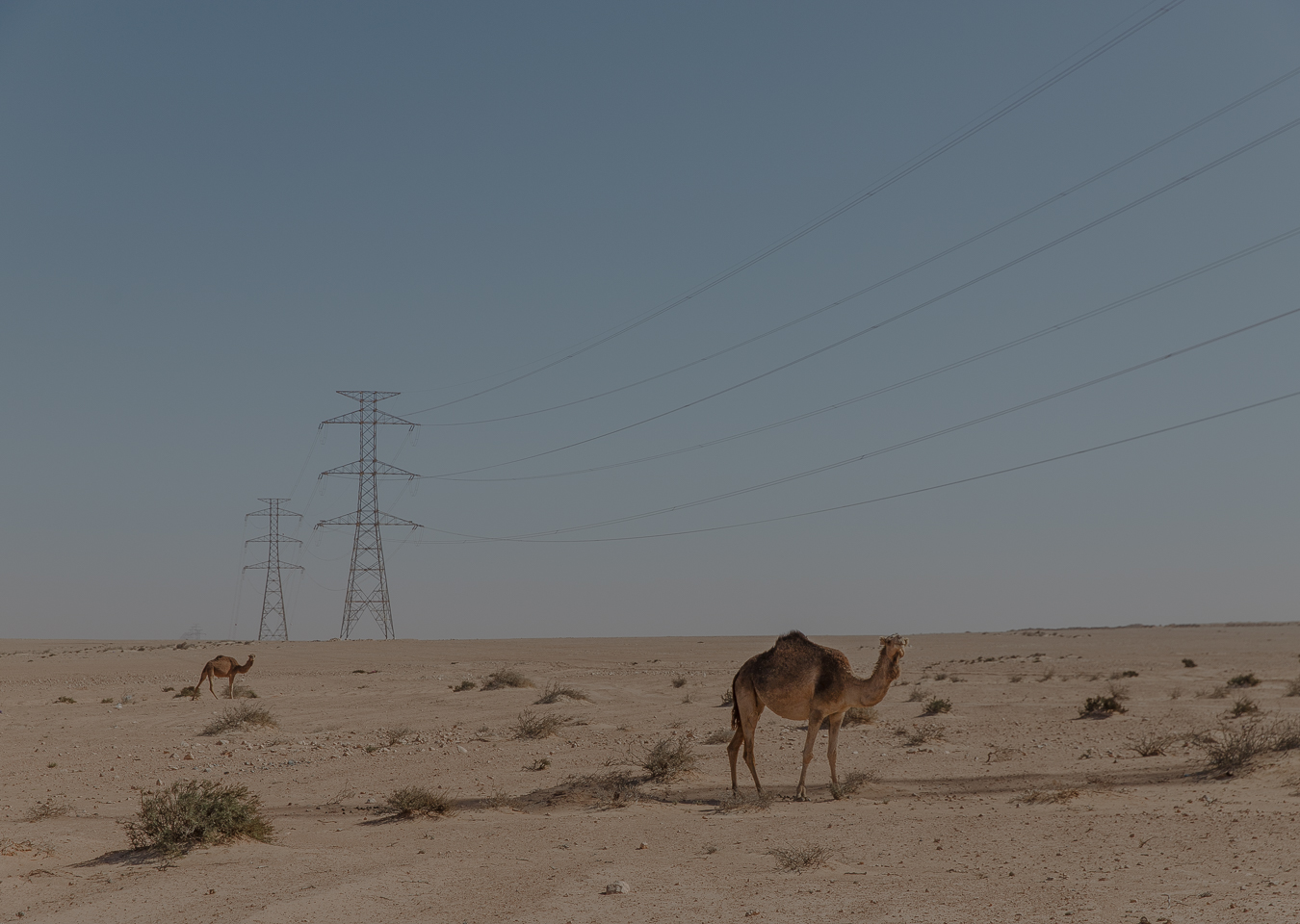
Another company of the Moroccan king involved in occupied Western Sahara
A company closely linked to Morocco’s royal business network has entered a new project in occupied Western Sahara, partnering with a Chinese state-owned electricity giant on high-voltage infrastructure in Boujdour.

Don't let resource exploitation decide Western Sahara's future
Western Sahara Resource Watch calls on the UN to address the accelerating exploitation of the territory’s natural resources - and prevent it from becoming an even greater obstacle to self-determination.