HRW: "Western Sahara products should not be labeled as Moroccan"
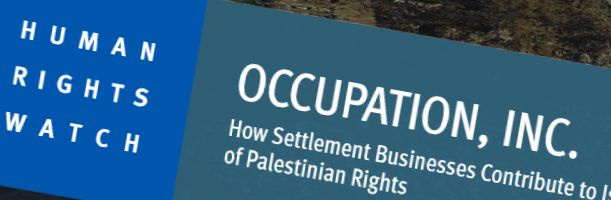
When presenting its new report on Israeli settlement products today, Human Rights Watch cited the case of Western Sahara. The NGO states that "countries should not import goods produced in Western Sahara labeled as Made in Morocco or under preferential tariff agreements with Morocco".
Published 19 January 2016
In the new report "Occupation Inc.: How Settlement Businesses Contribute to Israel’s Violations of Palestinian Rights", published this morning, Human Rights Watch calls for correct labeling of goods produced in Israeli settlements on Palestinian land. The New York-based advocacy group urges companies to pull out of the settlements, and to fulfill their obligations to respect the human rights of populations living where they operate—and for companies, rather than consumers that buy their products, to confirm their goods have not come from the 1,000 companies doing business on occupied Palestinian land. "In practice, this means that countries should not treat goods produced in settlements as though they were made in Israel", the organisation specifies in the Q&A on the new report.
"The principles used in this research apply to any other situation of occupation", says Human Rights Watch. They refer explicitly to the case of Western Sahara. "Countries also need to assess their trade relationship with these territories in line with their duty not to recognize the occupying power as sovereign over the territory it occupies. For example, countries should not import goods produced in Western Sahara labeled as Made in Morocco or under preferential tariff agreements with Morocco."
"In December 2015, the General Court of the European Union held that the EU-Morocco Agreement on agriculture, processed agriculture, and fisheries products does not apply to Western Sahara. The EU considers Western Sahara a non-self-governing territory administered by Morocco, rather than under military occupation, but the court nevertheless found that the agreement may “indirectly encourage” violations of the fundamental rights of the Sahrawi people or that the EU may “benefit from them,” contravening the EU’s responsibilities under the UN charter", says Human Rights Watch.
News
Trial underway over firebombing of WSRW partner in Denmark
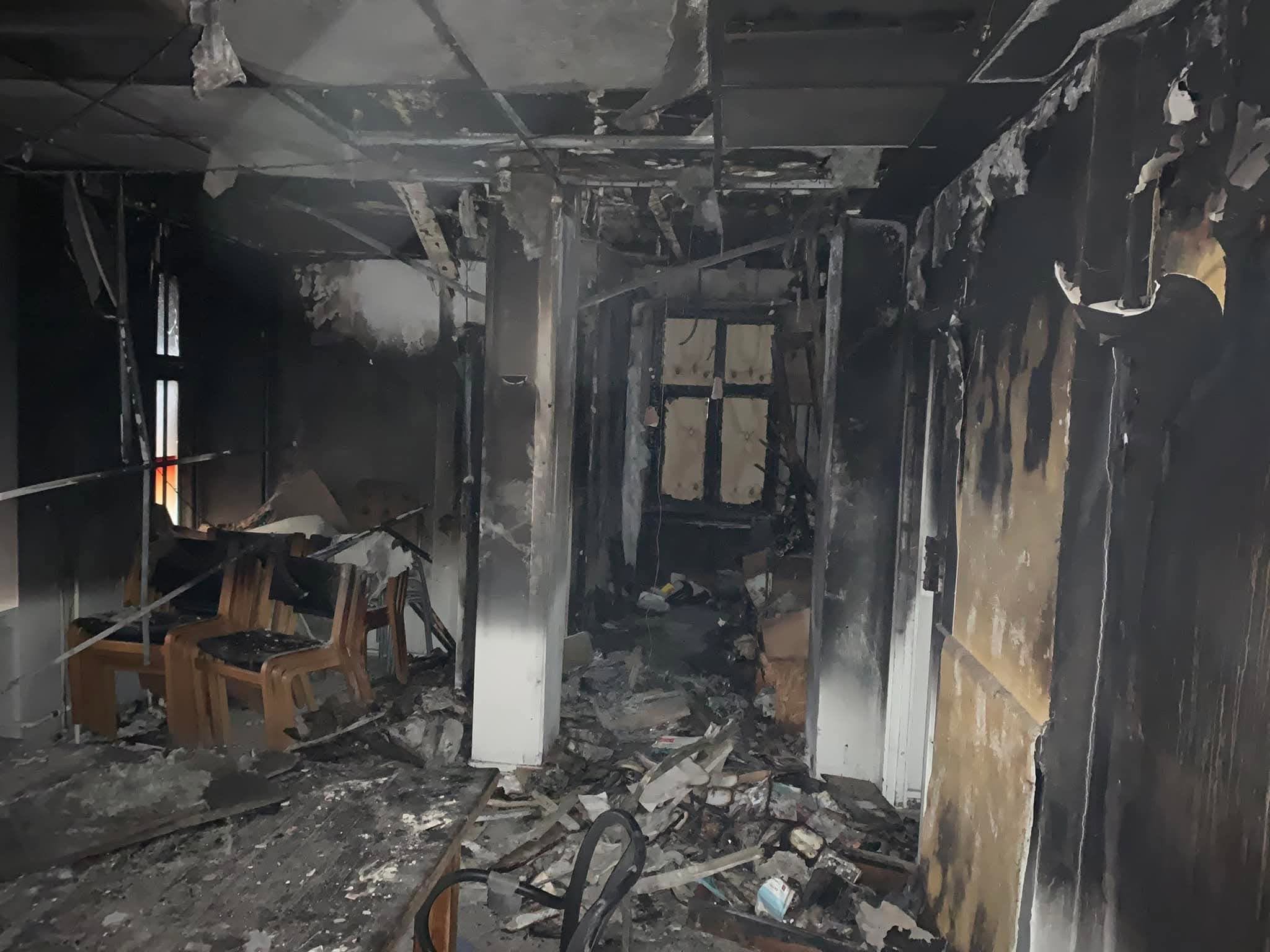
A trial has begun in Copenhagen against four men accused of carrying out the January 2025 arson attack on the offices of WSRW partner Global Aktion.
15 June 2026
Heidelberg Materials deepens its role in Morocco’s occupation of Western Sahara
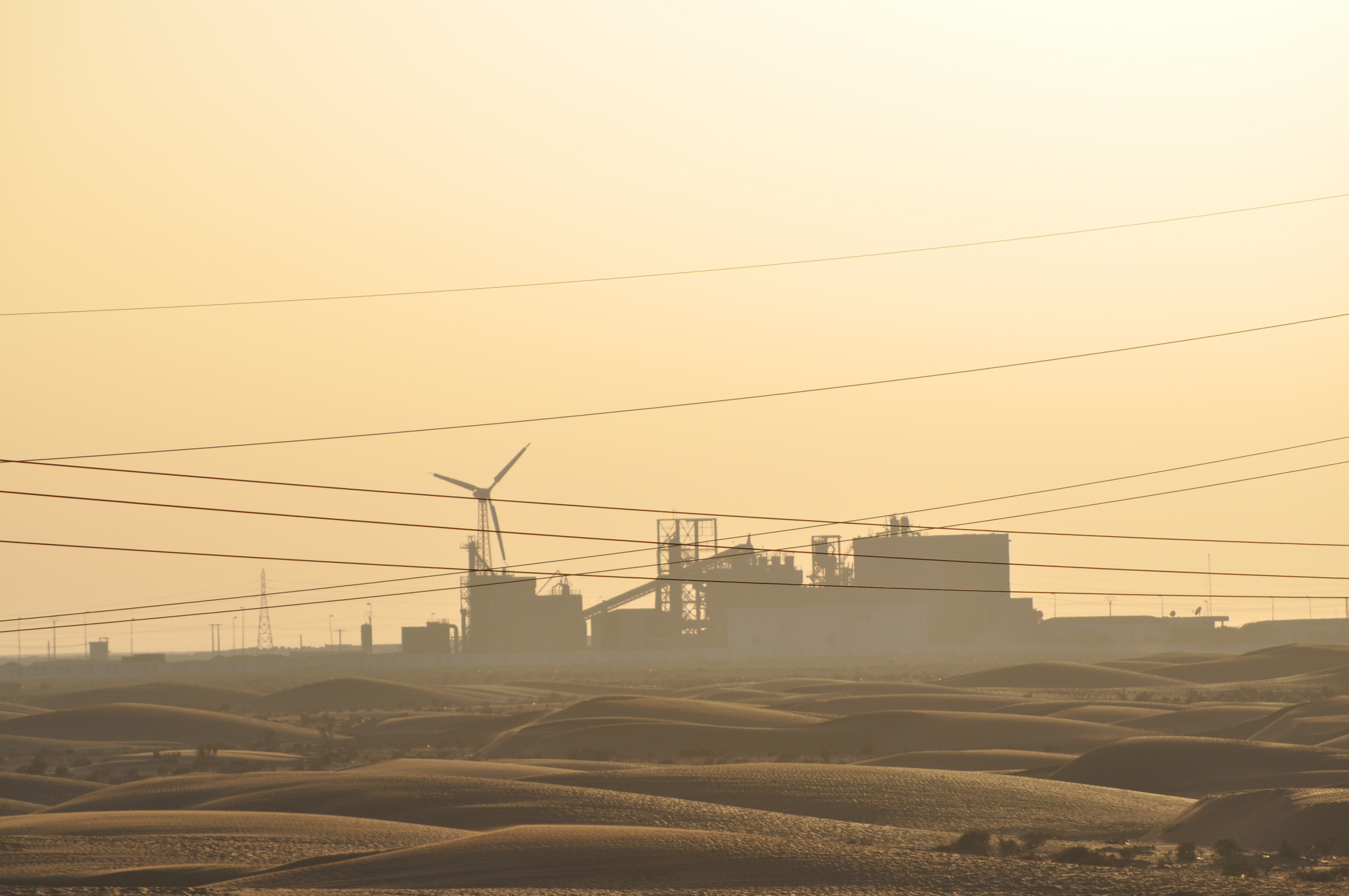
The German company confirms once again that its operations in occupied Western Sahara are closely tied to Morocco’s infrastructure expansion in the territory - while continuing to dismiss the Saharawi people’s right to consent.
05 June 2026

The conflict phosphates - four decades of plunder
For over 40 years, a Moroccan state-owned company has exported phosphate rock from occupied Western Sahara.
29 May 2026
Record low number of importers of Western Sahara phosphates
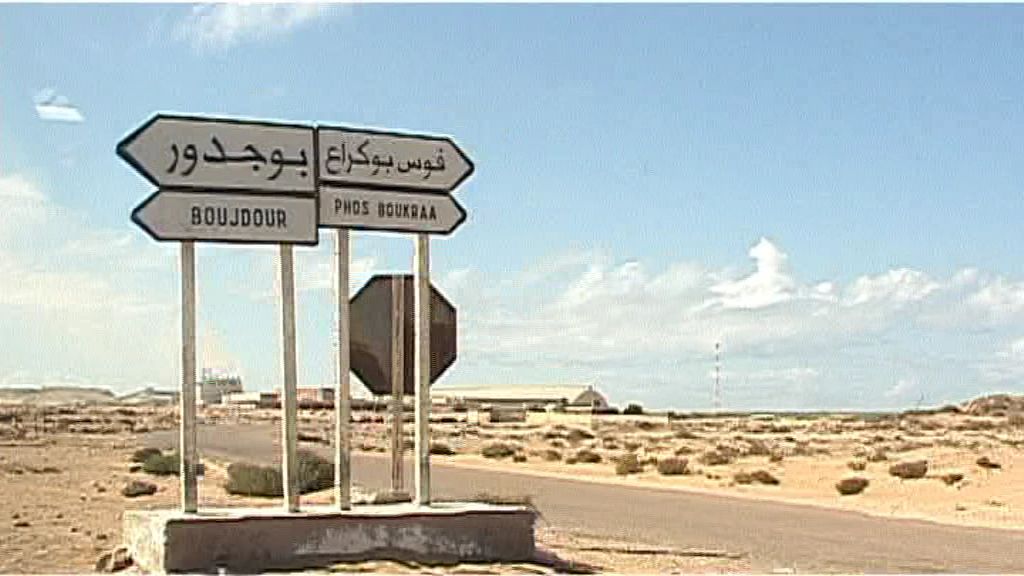
Only three companies imported phosphate rock from occupied Western Sahara in 2025 - the lowest number ever recorded. The findings appear in our annual P for Plunder report, released today.
29 May 2026