Ban Ki-Moon report deletes UN findings on Saharawi poverty
After consultation with Morocco, the document that Ban Ki-Moon was drafting has been stripped of all references to UN reports highlighting Saharawi marginalisation.
Published 28 April 2016
An advance copy of the UN Secretary General’s report on Western Sahara, dated 18 April 2016, referred to the different UN bodies that have pointed to the lack of benefits to Saharawis of Morocco’s economic projects in their occupied homeland, and the disproportionate poverty affecting the Saharawi people.
But the final version of 19 April of the Secretary General’s report on Western Sahara – a well-known target of tough Moroccan lobbying – omits those references.
In October 2015, the UN Committee tasked with reviewing States’ conduct with regard to the Covenant on Economic, Social and Cultural Rights issued strong recommendations to Morocco with regard to Western Sahara. Apart from underscoring the Saharawi people’s right to self-determination, and their right to free, prior and informed consent on the taking of their country’s natural resources, the Committee’s findings also mentioned that Saharawis were disproportionately affected by poverty.
This was around the same time that the UN Special Rapporteur on the right to food Hilal Elver visited Dakhla, in occupied Western Sahara. In her end-of-mission statement, Elver noted that the people of Western Sahara were not equally benefitting from the economic projects that Morocco was undertaking in the territory.
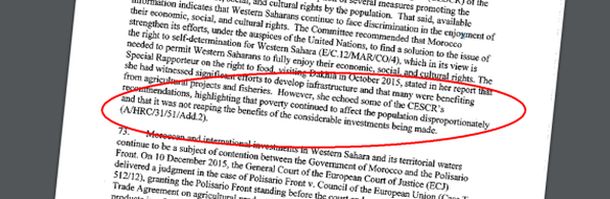
In the advance copy of the Secretary General’s report to the Security Council, these findings are summarized as follows in paragraph 72;
"72. (...) However, she echoed some of the CESCR's recommendations, highlighting that poverty continued to affect the population disproportionately and that it was not reaping the benefits of the considerable investments being made. (A/HRC/31/51/Add.2)"
But in the text that was published as the final version five days later, this has been shortened into;
"72. (...) She also echoed some of the Committee’s findings and recommendations (see A/HRC/31/51/Add.2, paras. 56-60)."
The discrepancy was first revealed on the blog of Carlos Ruiz Miguel, Professor at the University of Santiago de Compostela.
The advanced draft and the final version of the UN Secretary General display more differences. Just as in previous years, all such changes are more favourable to the Moroccan position. The change underlines the asymmetric relationship of the two sides' presence in the UN corridors. Morocco furthermore enjoys significant support from UN permanent member France. Below is a transcript of a conversation between the news service Inner City Press yesterday, and a UN spokesman, regarding this structural problem:
ICP: So, because of these changes, because this has happened in previous years, what explains… I mean, I probably wouldn't be asking if there were changes going the other way, but if all were done this way, can you describe the interaction between the Secretariat and Morocco prior to the finalization of the report?
Spokesman Stephane Dujarric: No, first of all, I think it's a problem… you know, you put online a document that was not final. Documents are final once they're published in all [six] languages, and they are the Secretary-General's reports. Contacts were had with both parties, but I think, you know, you can… what I will tell you is that the report is… the final report is the one that's out as an official UN document.
News
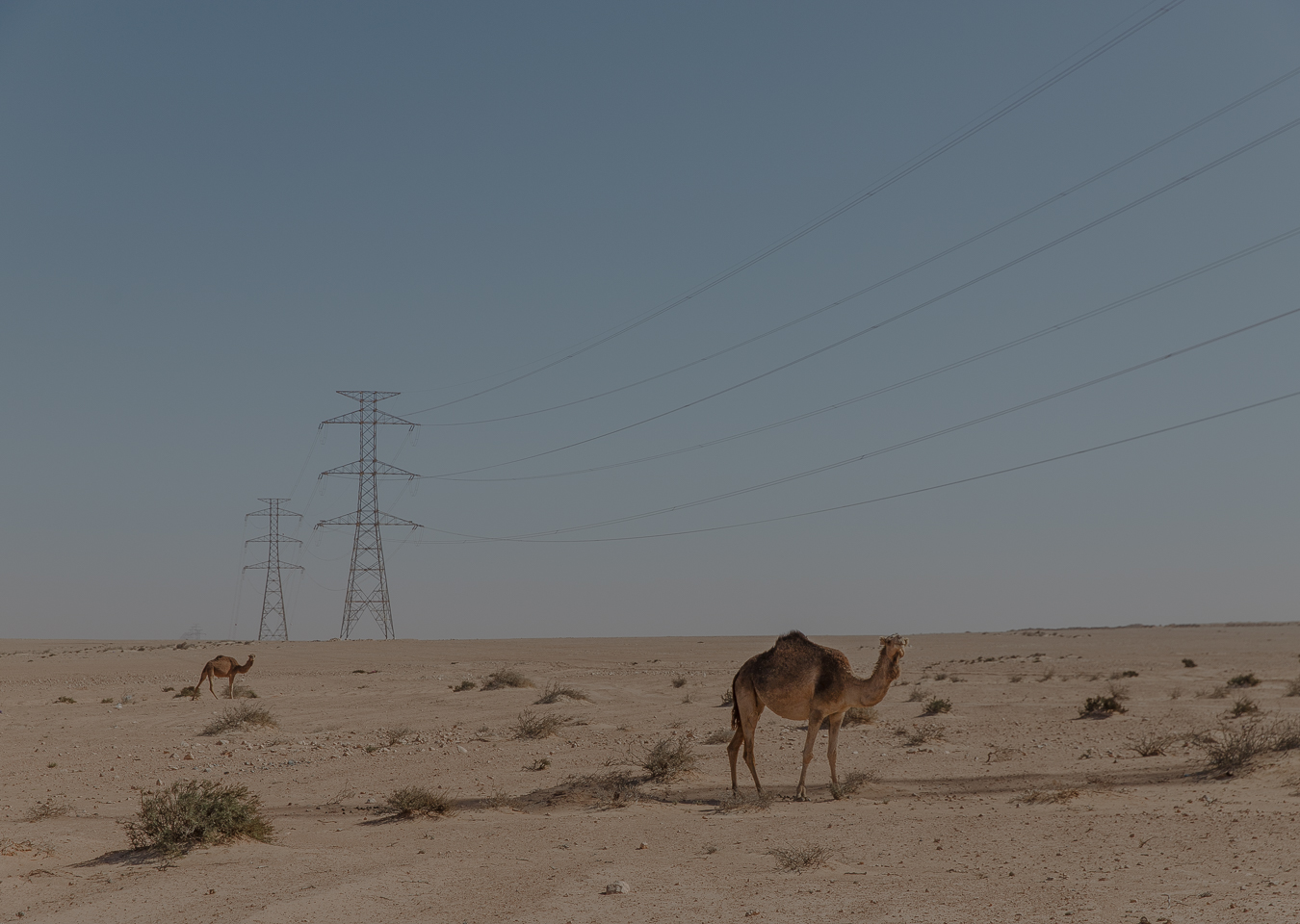
Another company of the Moroccan king involved in occupied Western Sahara
A company closely linked to Morocco’s royal business network has entered a new project in occupied Western Sahara, partnering with a Chinese state-owned electricity giant on high-voltage infrastructure in Boujdour.
10 September 2026
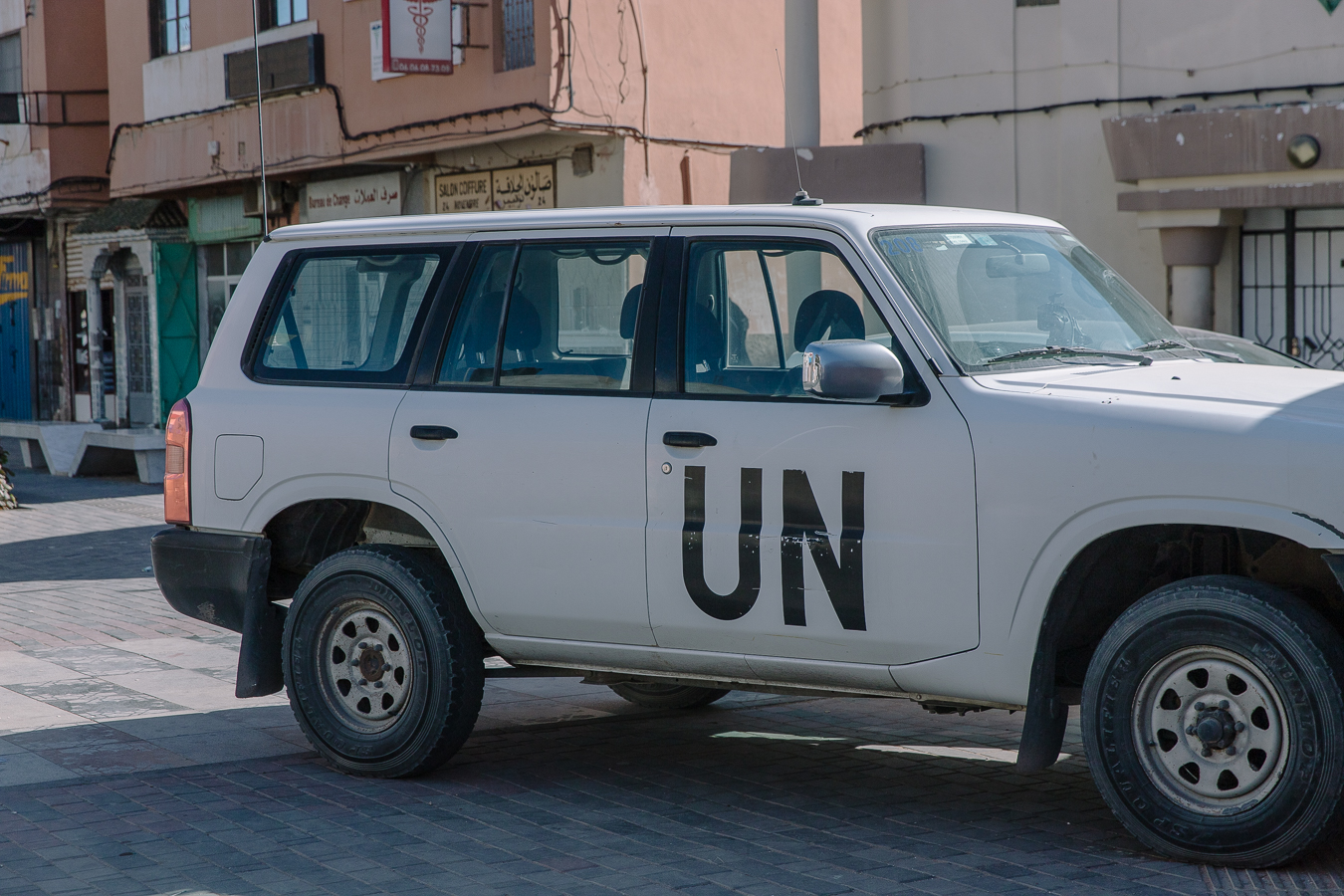
Don't let resource exploitation decide Western Sahara's future
Western Sahara Resource Watch calls on the UN to address the accelerating exploitation of the territory’s natural resources - and prevent it from becoming an even greater obstacle to self-determination.
08 September 2026
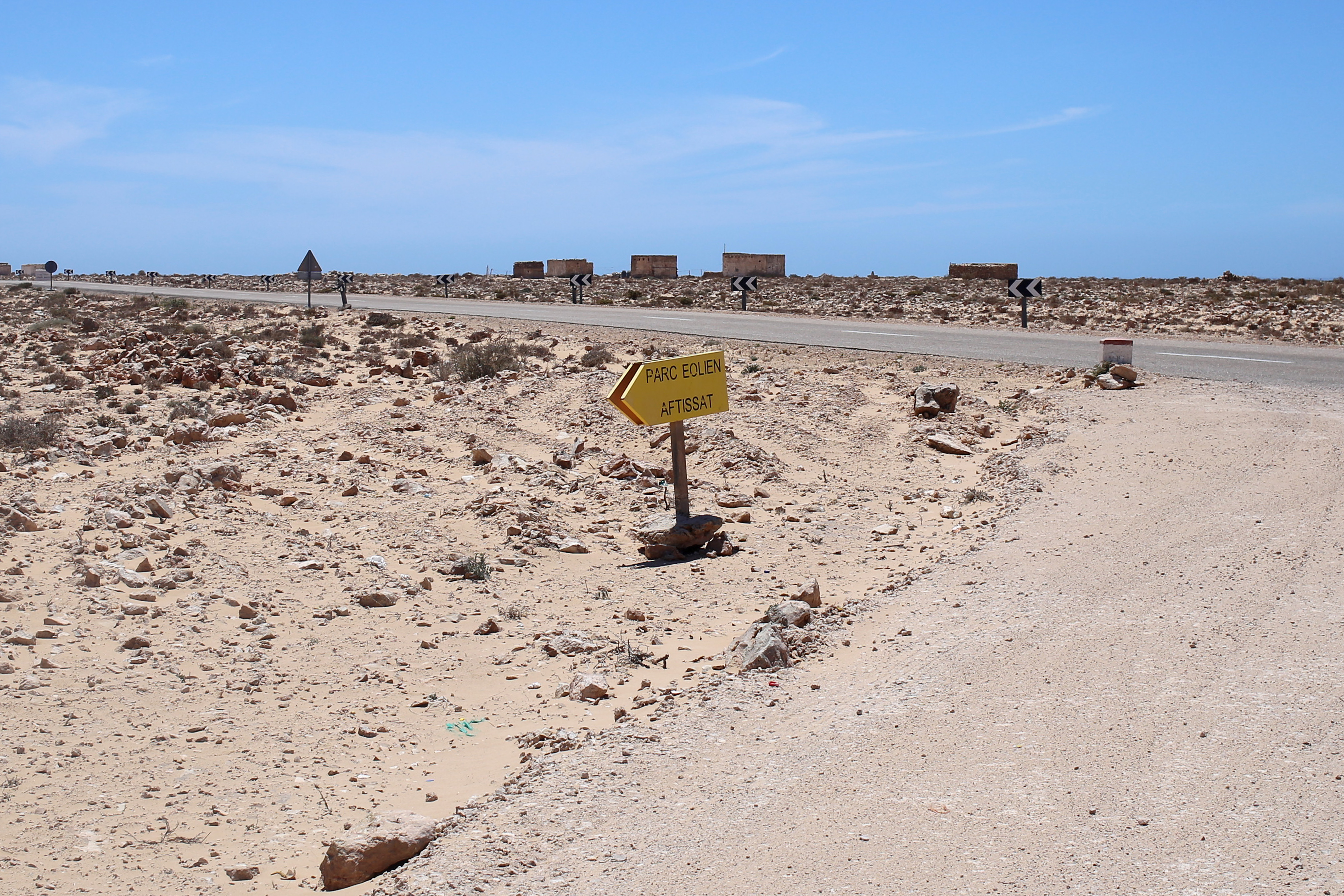
Occupied Western Sahara wind complex expands into Africa's top three
The Moroccan king’s energy company appears to have completed two new phases of the Aftissat wind power complex in occupied Western Sahara.
11 August 2026

Dirty green energy on occupied land
How can it be wrong to develop renewable energy, in a world that is in desperate need for a green transition? In Western Sahara, the problems are numerous.
06 August 2026