A lighter Key Bay is on its way to Ghent, Belgium
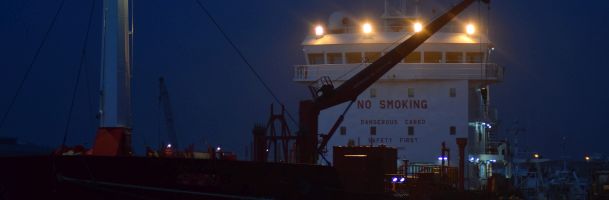
The vessel carrying fish oil from occupied Western Sahara into the European Union seems to have unloaded some, but not all, of its cargo in Fécamp, France.
Published 24 January 2017
Photo; the Key Bay in the port of Fécamp, by JCB.
The Key Bay has just now left the port of the northern French city, and has set sail for Ghent, Belgium, where it is expected to arrive early Thursday morning, 26 January.
It is possible that the vessel is going to unload the remaining parts of its cargo in Belgium. From assessing the Key Bay's draught - the distance between the water line and the keel of a ship - it is reasonable to assume that the vessel has emptied at least part of its consignment in Fécamp.
However, it is hard to establish whether its fish oil cargo will be discharged in Ghent, and if yes, whether that cargo will be the fish oil it loaded in El Aaiun or the fish oil it took on board in Tantan, Morocco. The Belgian customs authorities could clear up that matter if they undertake to investigate the cargo's documentation.
When the Key Bay arrived at the port of El Aaiun, early this year, it had a draught of 5.2 meters. When it left El Aaiun, the ship had sunk to 5.4 meters beneath the water line. After stops in Las Palmas and Nouadhibou, the draught had dropped to 6.5 meters, which it maintained until it reached Fécamp port, in the early hours of 23 January 2016. Upon departing Fécamp, the Key Bay's draught was 5.3 meters, suggesting a sizeable part of its cargo, though not all of it, was unloaded in Fécamp.
News
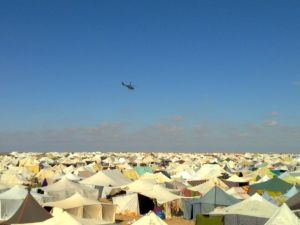
Gdeim Izik prisoners resume hunger strike
Saharawi political prisoners have resumed a hunger strike in Moroccan prisons, demanding their release, improved detention conditions and the implementation of UN decisions.
06 October 2026
SRI update
The following overview enlists stock-exchange registered companies with current or recent operations in occupied Western Sahara. Updated 28 September 2026.
28 September 2026
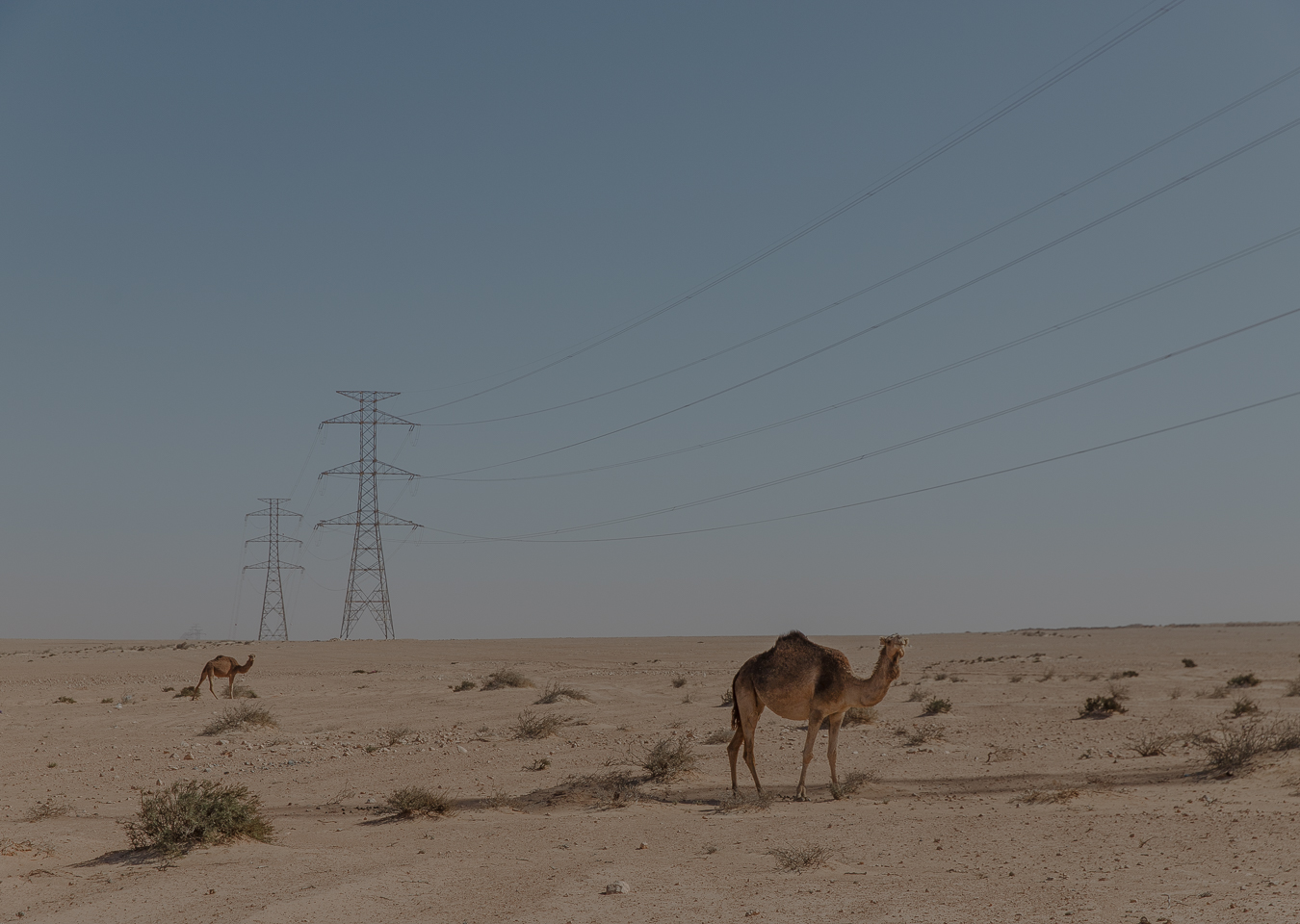
Another company of the Moroccan king involved in occupied Western Sahara
A company closely linked to Morocco’s royal business network has entered a new project in occupied Western Sahara, partnering with a Chinese state-owned electricity giant on high-voltage infrastructure in Boujdour.
10 September 2026
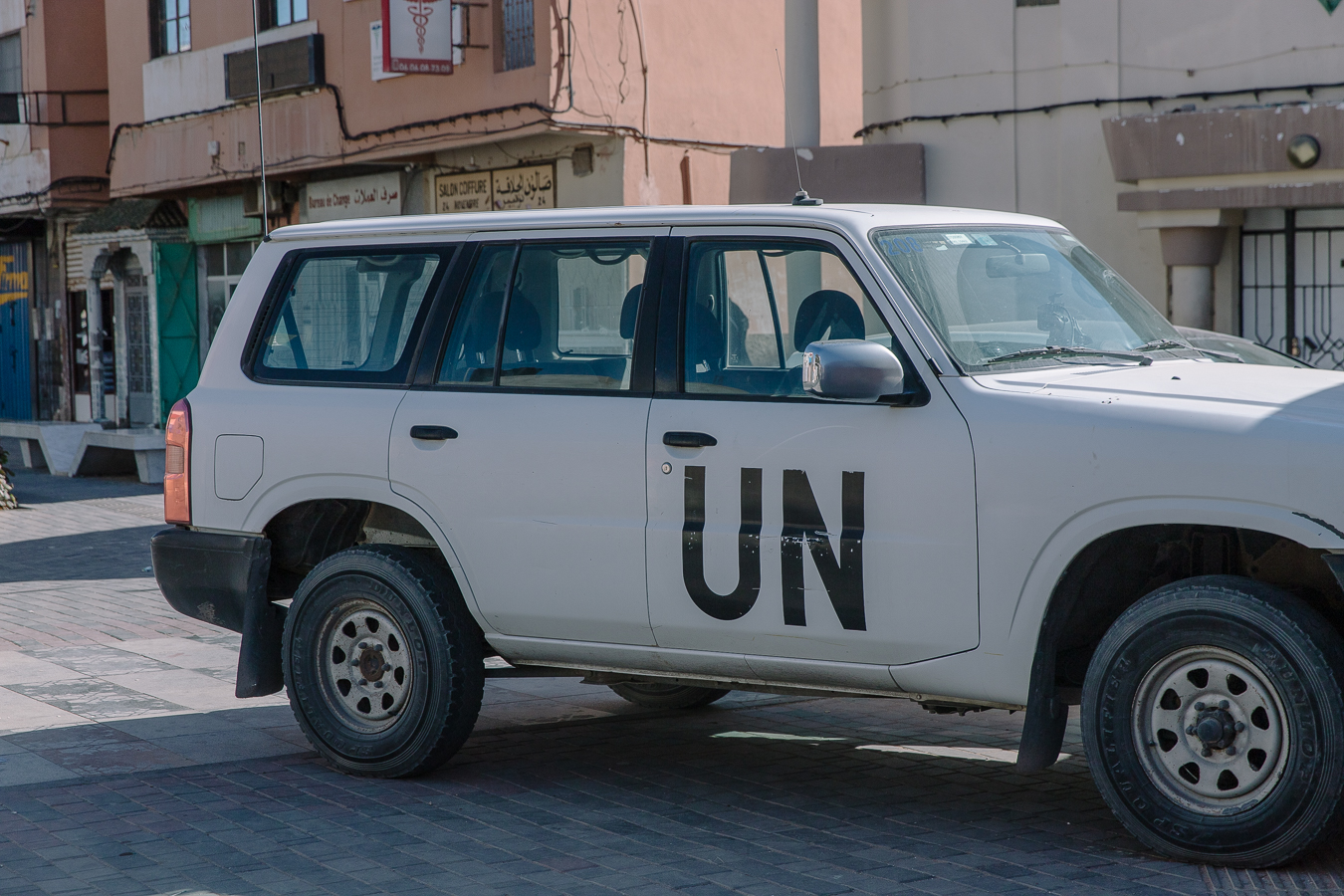
Don't let resource exploitation decide Western Sahara's future
Western Sahara Resource Watch calls on the UN to address the accelerating exploitation of the territory’s natural resources - and prevent it from becoming an even greater obstacle to self-determination.
08 September 2026