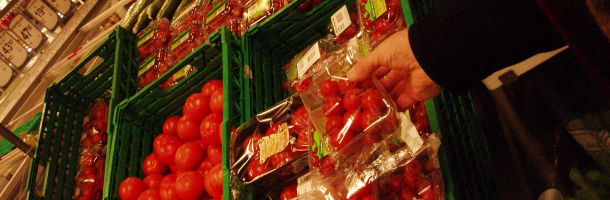
Morocco’s tomato export season starts today. But some of the ‘Moroccan’ tomatoes you’ll soon find in your shop have been grown illegally in a territory under military occupation. Have you spotted dirty tomatoes? Help us to identify them in your local store!
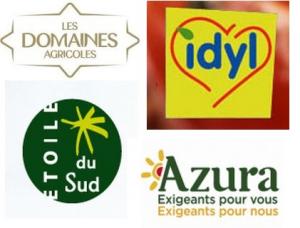
Western Sahara Resource Watch needs your help to document the whereabouts of the agriculture labels with the labels to the right.
There is a chance that those products origin from Dakhla – a town located in the south of occupied Western Sahara. Produce grown here, the lion's share being tomatoes, is being falsely labelled as from Morocco, Western Sahara’s neighbouring state to the north which invaded the territory in 1975. Today, in blatant disrespect of international law, Morocco continues to occupy large parts of Western Sahara, selling off its resources and produce, including tomatoes, as its own. But while the products make their way to supermarkets around the globe, their origin is being kept from public knowledge.
What's the problem?
- Customers have a right to be informed about the product they are buying. If produce from Western Sahara is being mislabelled as Moroccan, then the customer is being misinformed, and hampered in his or her ability to make an informed decision whether or not to buy the product.
- Buying produce from occupied Western Sahara lends moral legitimacy to Morocco's untenable claims over the territory. Your money should not be used to support a brutal occupation.
- The Saharawi people do not benefit from the agricultural sector, nor have they given consent for the development of agro-industry in their land. All the plantations in the area are owned by French-Moroccan conglomerates or the King of Morocco himself, not by Saharawi.
- Growing vegetables in the desert requires enormous amounts of water, taken from the area's underground water supplies - an invaluable life source to the Saharawi people.
- Around 160.000 Saharawi live in dire conditions in refugee camps in Algeria. Their diet is extremely low in fresh fruit and vegetables. It is ethically wrong for the occupying regime to profit from produce grown on the land that these people had to flee from to avoid the horrors of war.
Help WSRW to track down stolen tomatoes. There is a lot that you, as an individual consumer, can do to stop the theft. Here’s what to do when you come across potentially troublesome tomatoes, labelled as from Morocco.
1. Take a photo
Take a photo of the tomatoes, clearly showing the brand, bar code and alleged origin, and send it to us at tomato@wsrw.org. Make sure to include the name and location of the shop when sending us your photos.
Look out for the brands depicted above. But beware: Western Saharan tomatoes are also being sold under store brands, as is for instance the case in Dutch supermarket chain Albert Heijn. The advertised country of origin should be your foremost indicator. If it says "Morocco" on the label, then there's reason for suspicion.
2. Get in touch with your shop management
As a customer, you have a right to know the exact origin of the product you are buying. Ask the shop management; they should be able to provide you with a more exact location than a country.
Feel free to use this template letter (for inspiration) for contacting the shop's customer services, if the staff on location could not help you. Please send a copy of the reply you got to tomato@wsrw.org.
3. Contact your elected officials
Ask your national parliamentarians to raise the matter with the government: if no country in the world recognises Morocco's claims to Western Sahara, then why do they accept products from Western Sahara rubberstamped as from Morocco? And why are you as a customer being deprived of your right to be fully informed about the product you're considering buying?
SRI update
The following overview enlists stock-exchange registered companies with current or recent operations in occupied Western Sahara. Updated 28 September 2026.
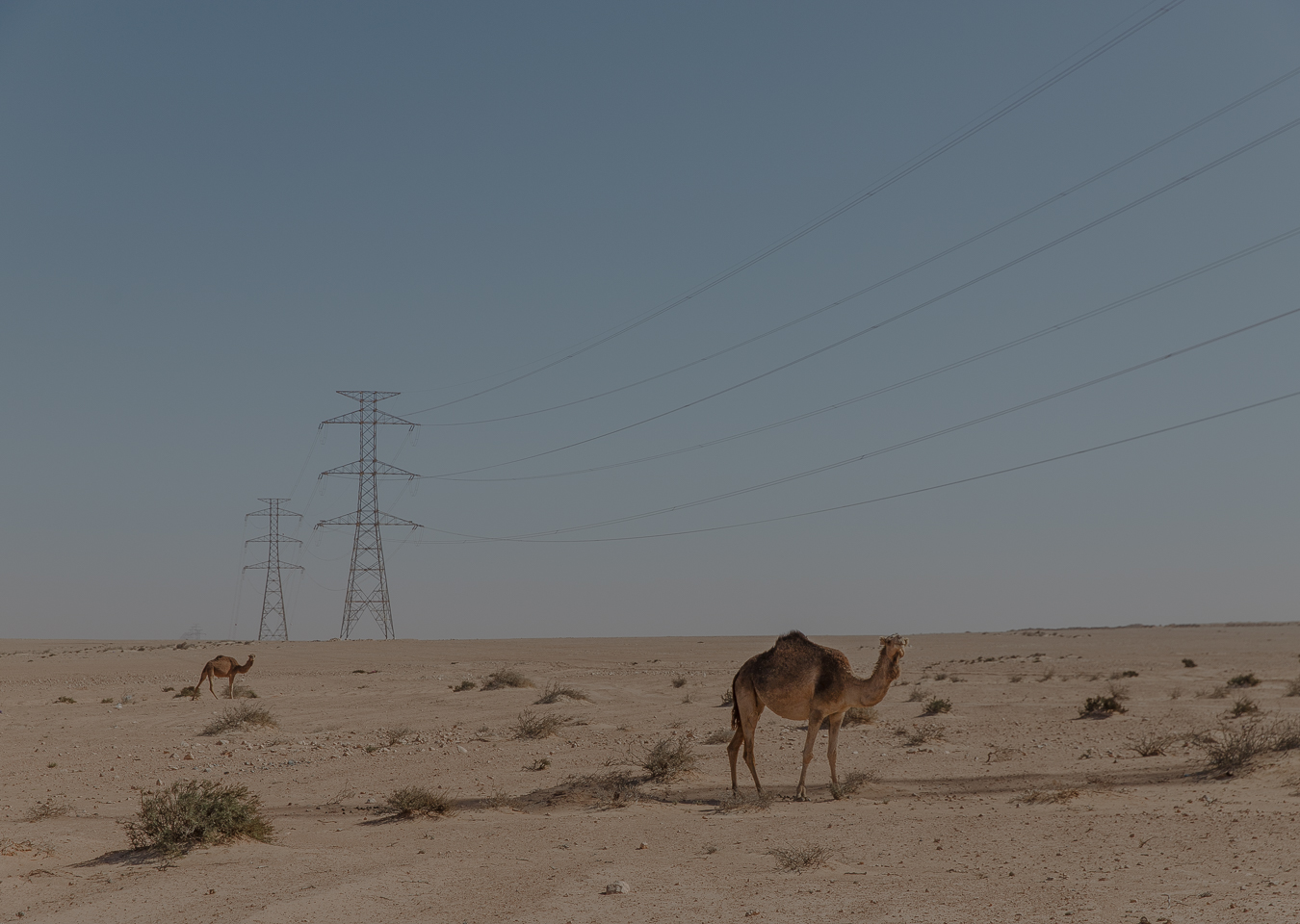
Another company of the Moroccan king involved in occupied Western Sahara
A company closely linked to Morocco’s royal business network has entered a new project in occupied Western Sahara, partnering with a Chinese state-owned electricity giant on high-voltage infrastructure in Boujdour.
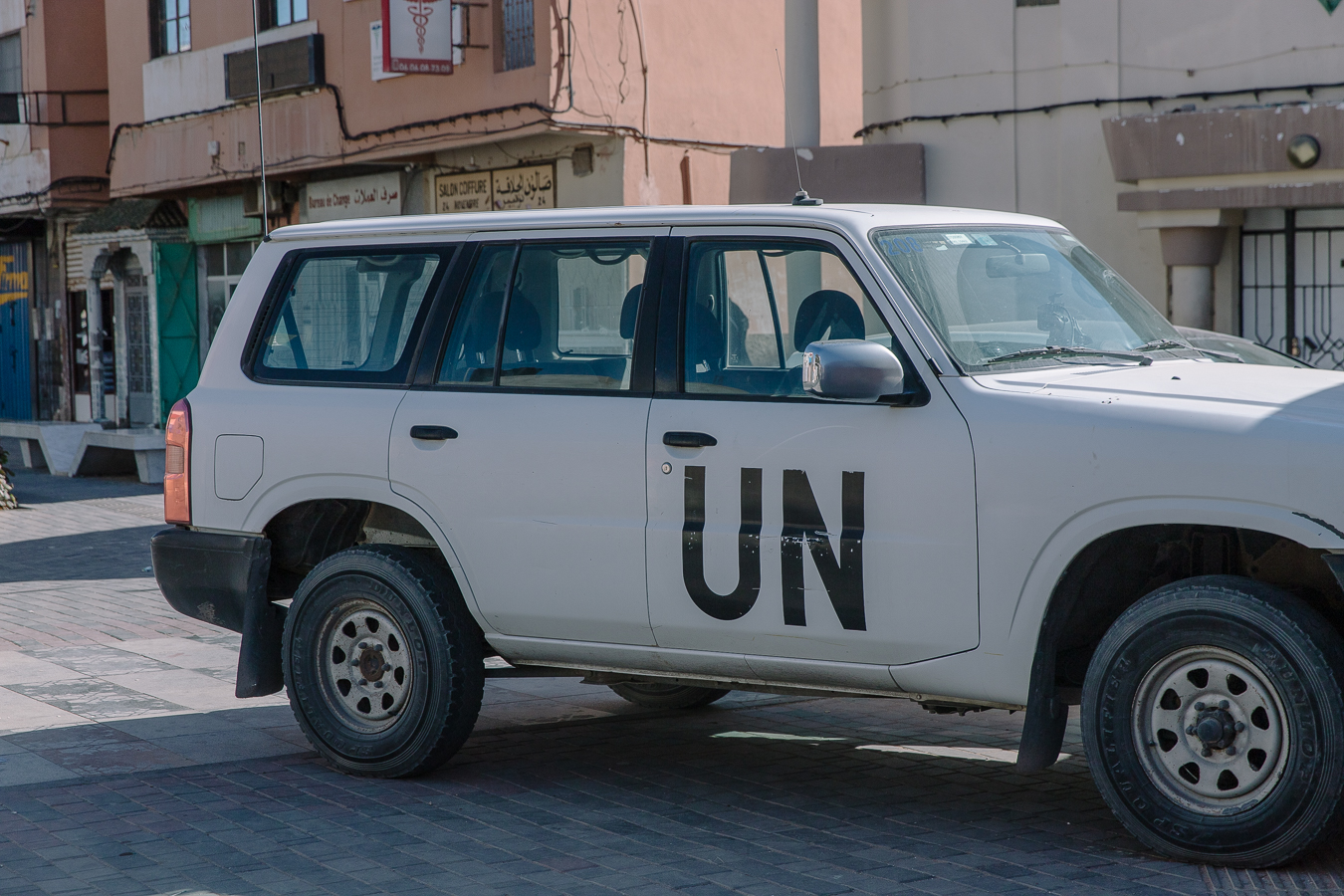
Don't let resource exploitation decide Western Sahara's future
Western Sahara Resource Watch calls on the UN to address the accelerating exploitation of the territory’s natural resources - and prevent it from becoming an even greater obstacle to self-determination.
Occupied Western Sahara wind complex expands into Africa's top three
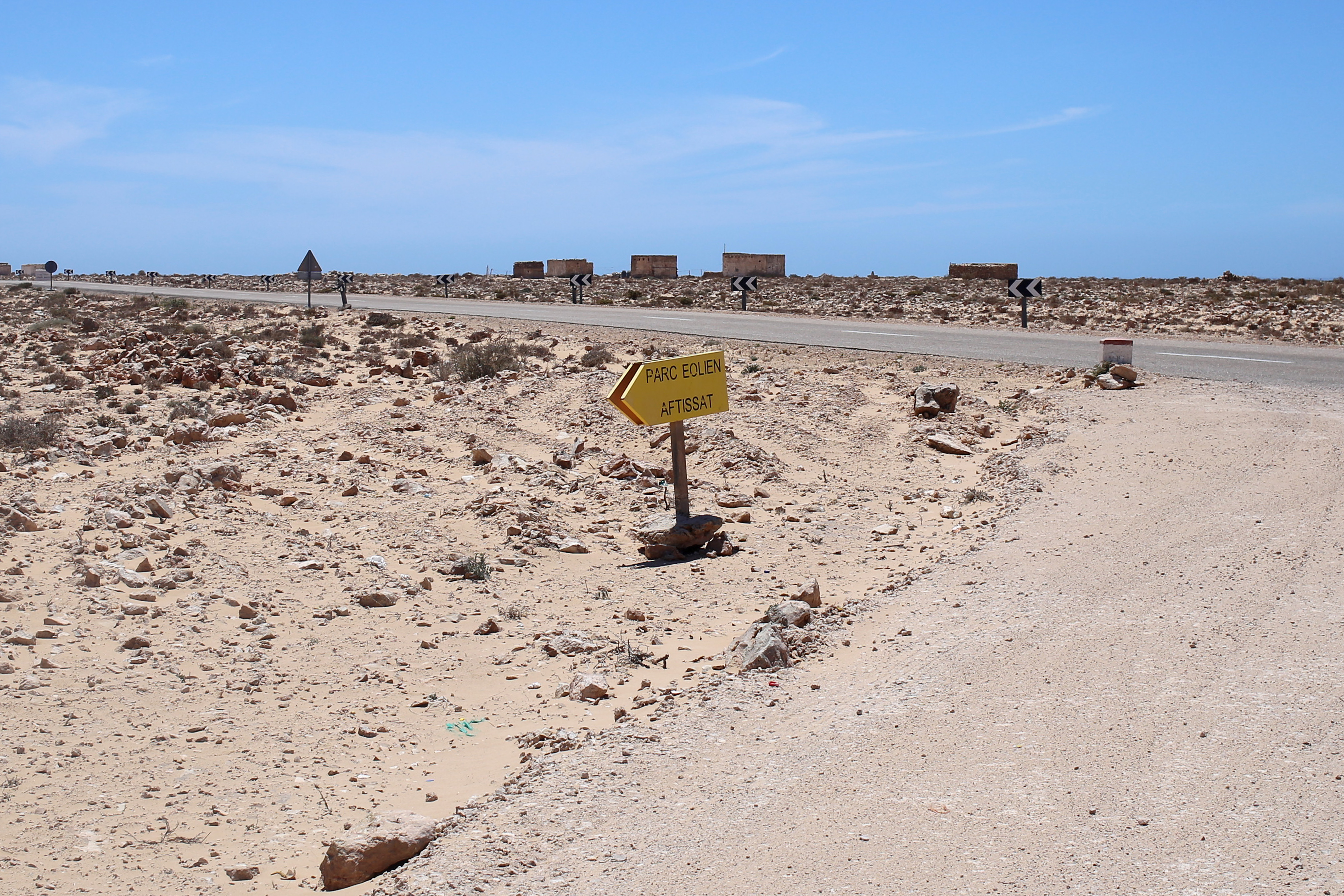
The Moroccan king’s energy company appears to have completed two new phases of the Aftissat wind power complex in occupied Western Sahara.