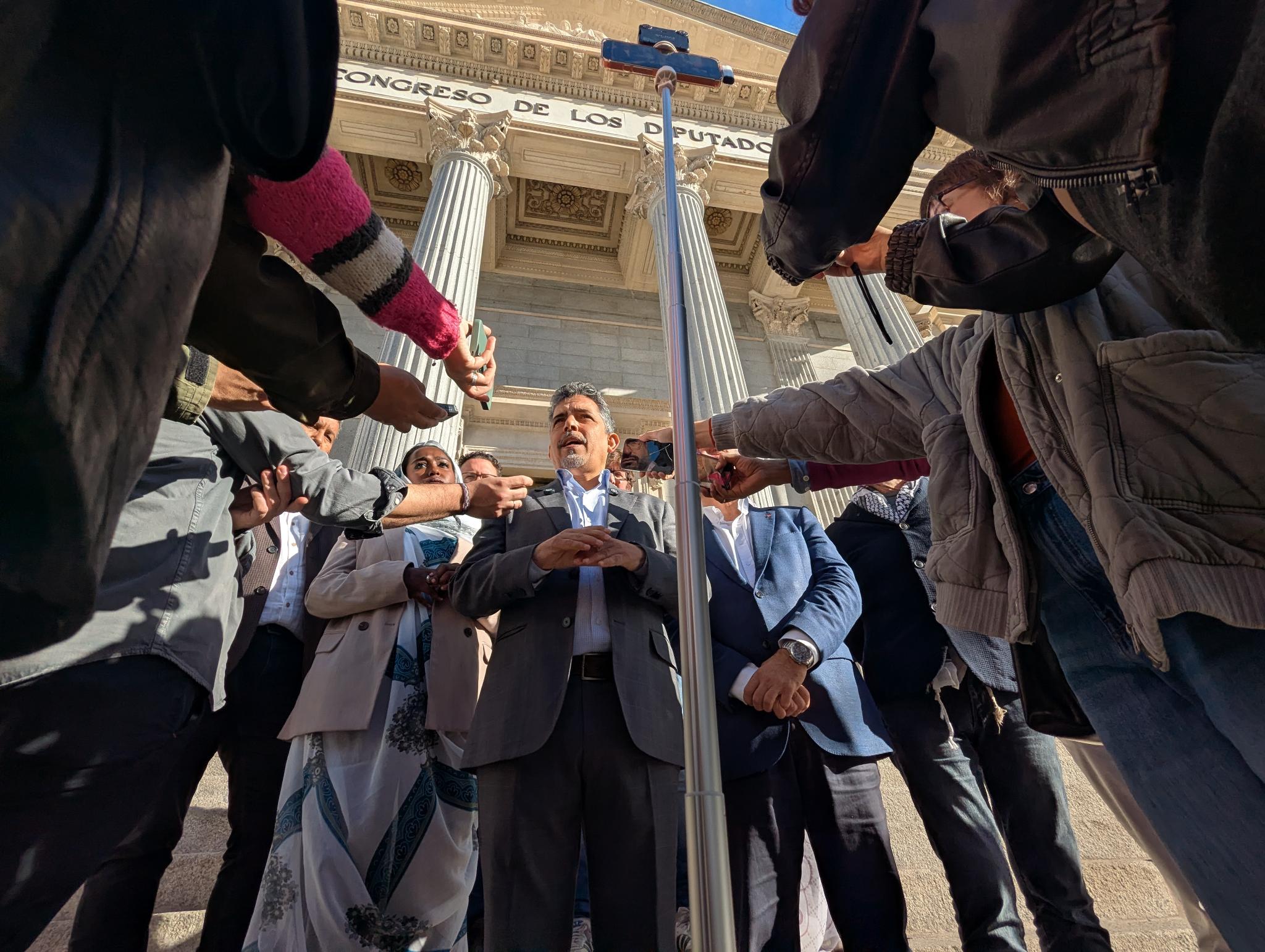
In a press conference in Madrid today, Polisario Front announced that the Western Sahara liberation movement is opening a legal case against the Spanish authorities for having issued a permit to Ryanair to fly to occupied Western Sahara.
“Our aim is that the Spanish government withdraws the licence that it illegally issued to Ryanair,” Polisario offical Oubi Bachir stated.
Ryanair launched flights from Madrid and Lanzarote to Dakhla on 19 January 2025, presenting the city as part of Morocco. Dakhla is in Western Sahara, a former Spanish colony that remains on the UN list of Non-Self-Governing Territories and is largely occupied by Morocco.
The airline announced the routes in November 2024, calling Dakhla the thirteenth airport in its “Moroccan network” and thanking the Moroccan government for its “support and vision in securing this major investment”.
The flights raise questions about the legal basis for operating routes to the territory. In 2018, the Court of Justice of the European Union ruled that the EU–Morocco aviation agreement does not apply to Western Sahara, which is separate and distinct from Morocco. In January 2025, the European Commission confirmed that the agreement does not cover flights between EU member states and Western Sahara.
In November 2024, Western Sahara Resource Watch (WSRW) asked Ryanair to explain its decision and its presentation of Dakhla as Moroccan. WSRW received no response.
The dispute has also reached Ireland. In October 2026, Ireland’s advertising watchdog issued a preliminary finding that Ryanair’s description of Dakhla as a “Moroccan adventure” was likely to mislead consumers.Morocco is trying to make Dakhla a hub for tourism in the territory.
Polisario’s legal action now challenges Spain’s authorisation of the flights, bringing renewed scrutiny to Ryanair’s operations to the occupied territory. It was informed that more updates will be presented at an event in the European Parliament on 4 November
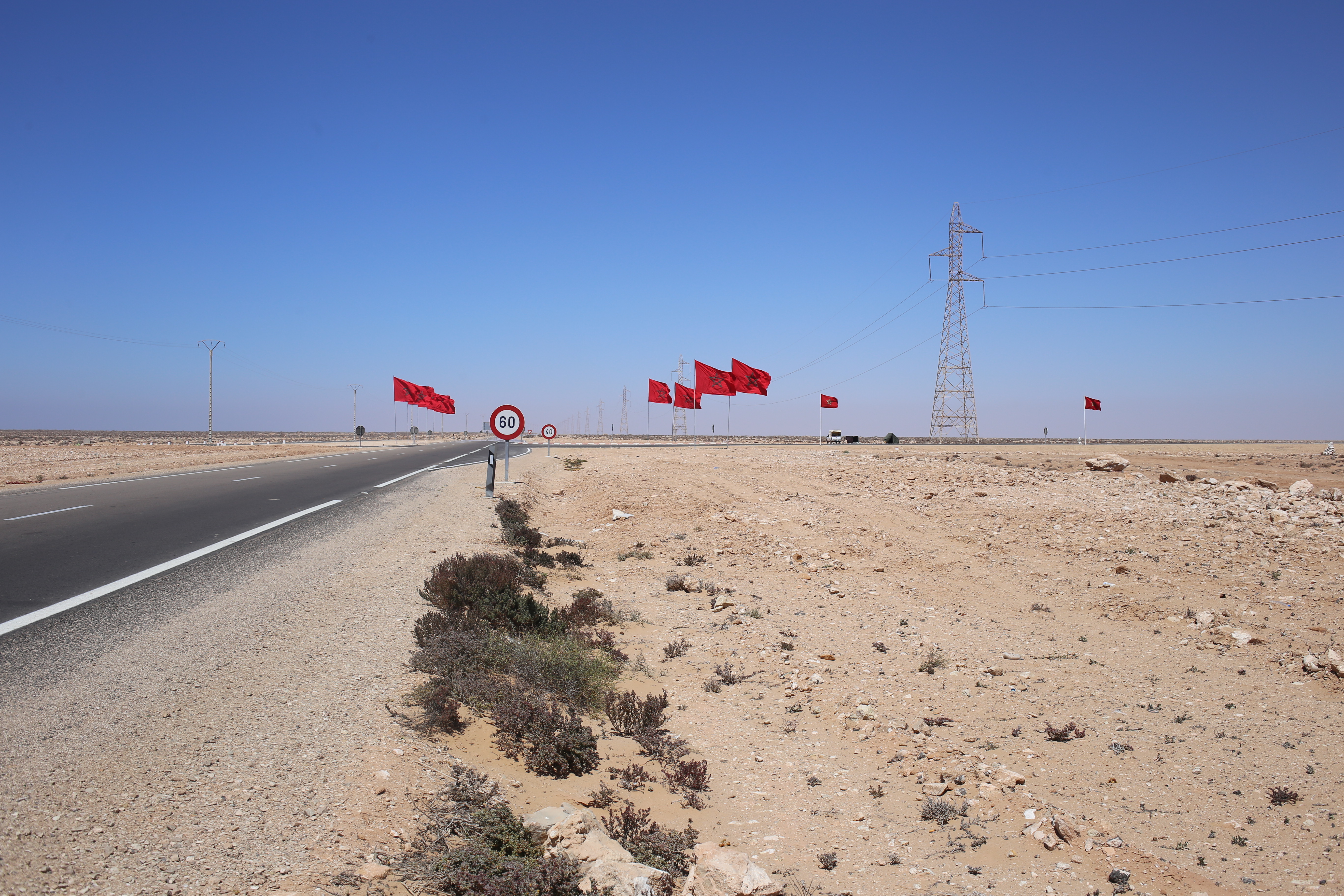
Moroccan budget: Four hydrogen projects in occupied Western Sahara
Morocco’s Finance Bill for 2027 reveals that four out of six planned green hydrogen projects are located in occupied Western Sahara.
Swedish hydrogen company embraces Morocco’s position on Western Sahara
S2H2+Bm has publicly welcomed Morocco’s annexation of Western Sahara, while refusing to clarify whether its planned green hydrogen investments will take place in the occupied territory.
Guterres reminds Morocco: Self-determination still stands
In one of his final statements as UN Secretary-General, António Guterres has made an unequivocal point: the end of MINURSO does not extinguish the inalienable right of the Saharawi people to self-determination. It is a reminder that Morocco cannot declare the Western Sahara question closed simply because the UN mission is leaving.
Morocco allocates vast tracts of occupied Western Sahara
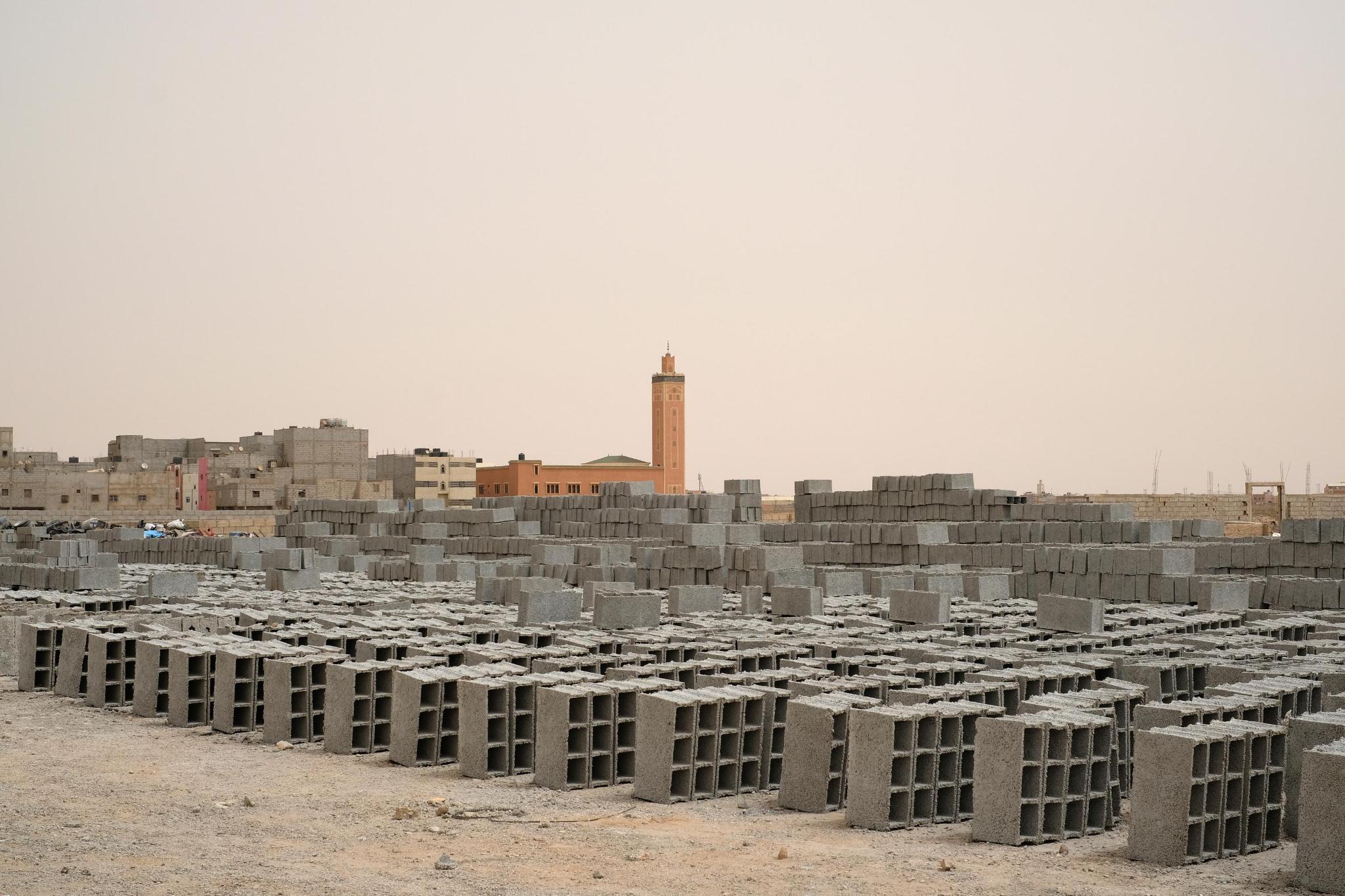
Moroccan budget documents released in late October reveal that the kingdom allocated tens of thousands of hectares of land in occupied Western Sahara to investment projects.