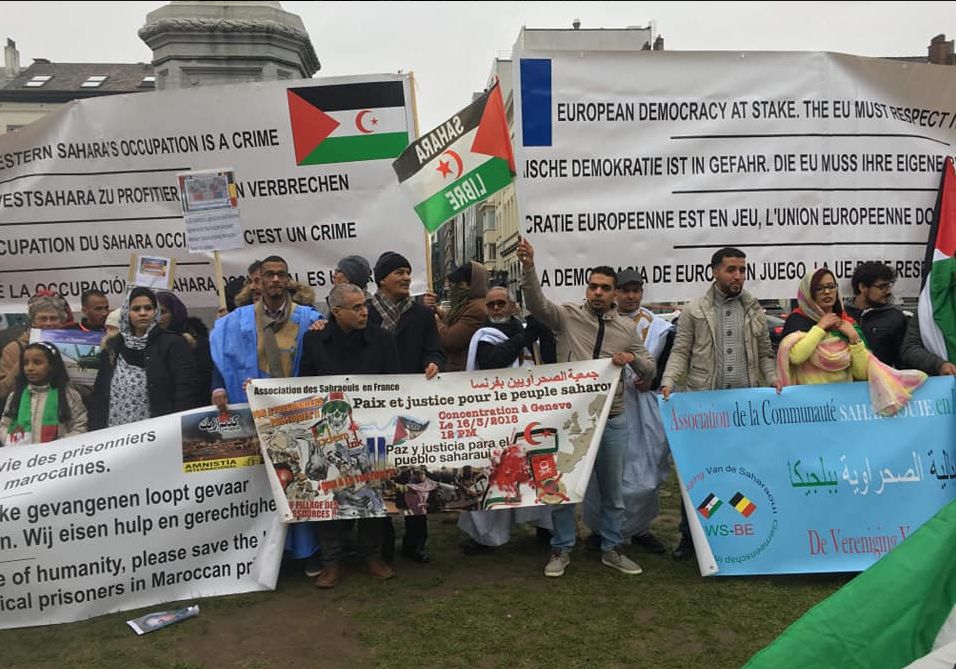
As the European Union rightly rallies behind Greenlanders’ right to decide their own future in the face of external pressure, a test of the EU’s real commitment to self-determination is quietly unfolding in Brussels.
On Friday, EU ambassadors meeting in COREPER are scheduled to discuss the item “Establish EU position” in preparation for the upcoming EU-Morocco Association Council later this month. The agenda item comes at a time when the European Union continues efforts to deepen trade and fisheries cooperation with Morocco, despite repeated rulings by the EU Court of Justice confirming that such agreements cannot lawfully apply to Western Sahara without the consent of its people.
In letters addressed to the Permanent Representatives of EU Member States, Western Sahara Resource Watch (WSRW) has called on EU Member States to ensure that the EU position to the EU-Morocco Association Council, fully respects the Saharawi people’s right to self-determination and the binding rulings of the EU Court of Justice.
“Recent expressions of EU unity in defence of Greenlanders’ and Ukrainians’ right freely to determine their political future - including in response to external threats of annexation - have rightly underlined that self-determination is not a discretionary political choice, but a foundational principle of international law”, WSRW wrote. “That same principle applies, without ambiguity, to the people of Western Sahara.”
The organisation highlights that both the International Court of Justice and the Court of Justice of the European Union have been unequivocal: Western Sahara is a territory distinct and separate from Morocco, no sovereign ties exist that would negate the Saharawi people’s right to self-determination, and the consent of the Saharawi people is a legal prerequisite for any EU agreement affecting their land or natural resources. To date, the EU courts have issued ten rulings confirming these principles.
Despite this clear jurisprudence, the EU continues to seek trade and fisheries arrangements with Morocco that include Western Sahara. According to WSRW, this approach not only exposes the EU to continued legal risk, but also undermines its credibility as a global defender of international law.
“The credibility of the European Union depends on the consistent application of its principles, irrespective of strategic partnerships or geopolitical convenience,” the letters warn. “The EU cannot credibly champion self-determination in the Arctic or in its Eastern Neighbourhood while sidelining it in North Africa.”
WSRW also notes that Morocco has recently intensified diplomatic efforts within the EU to secure support for its so-called autonomy plan for Western Sahara, following explicit backing from US President Donald Trump. The proposal, first presented nearly two decades ago, has never been detailed to the UN Security Council despite repeated requests by UN Envoys.
“At this juncture, it is essential that the EU anchor its position in law, not in pressure relating to migration management, readmission, or broader cooperation,” WSRW writes. “The EU’s strength lies in principled consistency: standing for what is lawful and right, even when doing so carries political cost.”
For a full overview of the CJEU rulings on Western Sahara - all concluding that the EU has infringed the Saharawi people’s right to self-determination when including their homeland in agreements with Morocco without their consent - can be seen here.
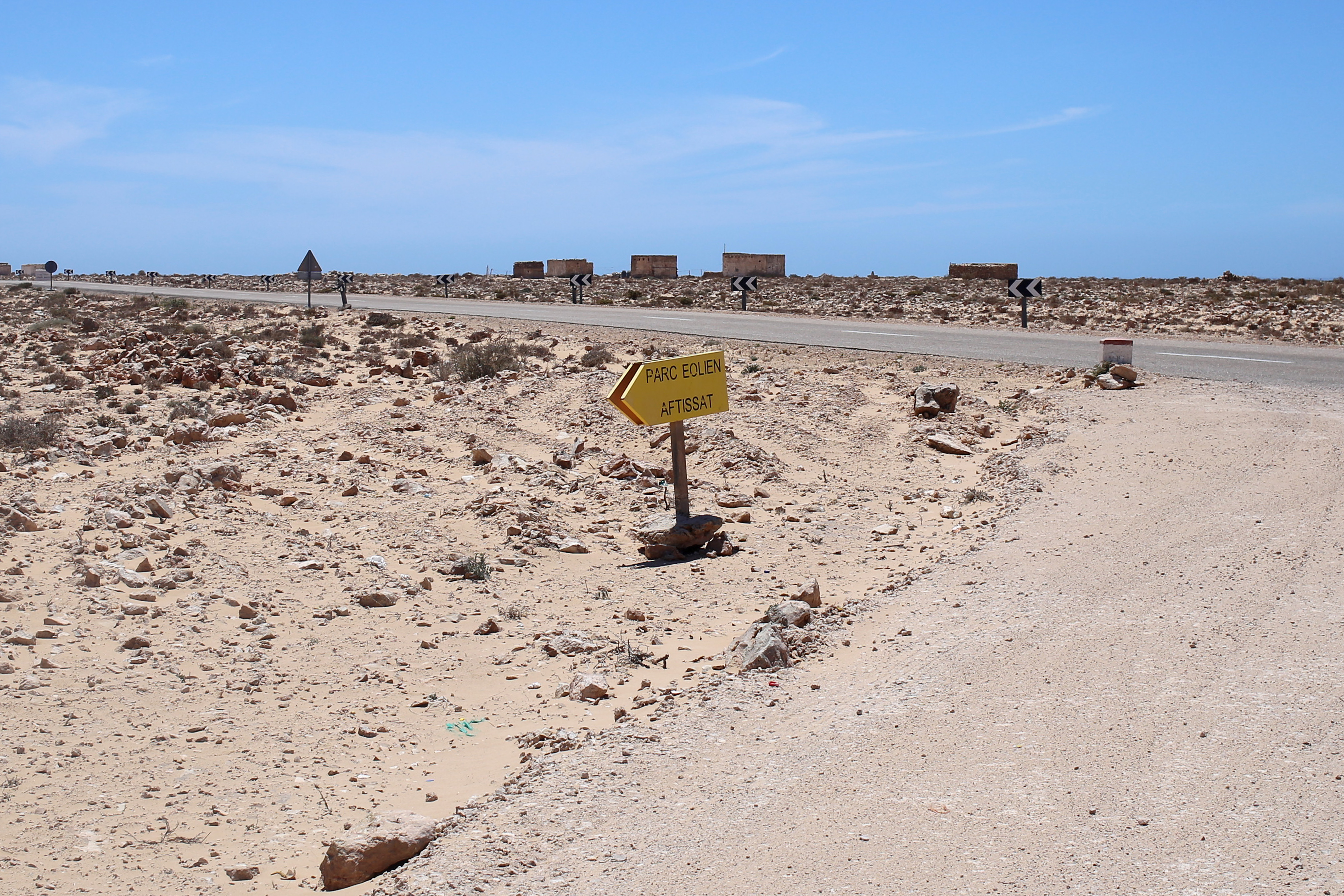
Occupied Western Sahara wind complex expands into Africa's top three
The Moroccan king’s energy company appears to have completed two new phases of the Aftissat wind power complex in occupied Western Sahara.

Dirty green energy on occupied land
How can it be wrong to develop renewable energy, in a world that is in desperate need for a green transition? In Western Sahara, the problems are numerous.
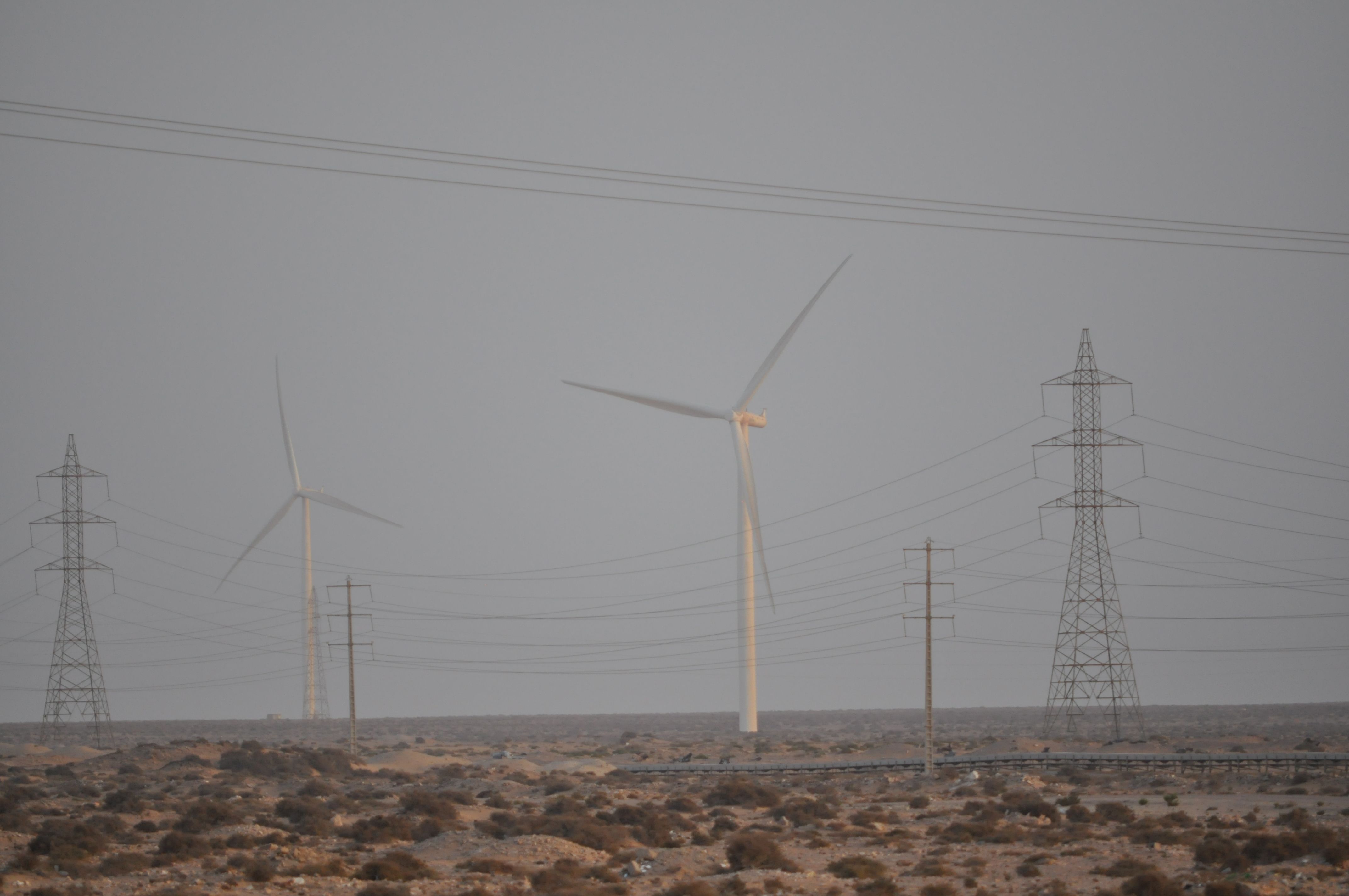
Trump administration bankrolls ammonia project in occupied Western Sahara
The Trump administration has become the first US government to finance a private-sector project in occupied Western Sahara, awarding support to the controversial ORNX green ammonia venture.
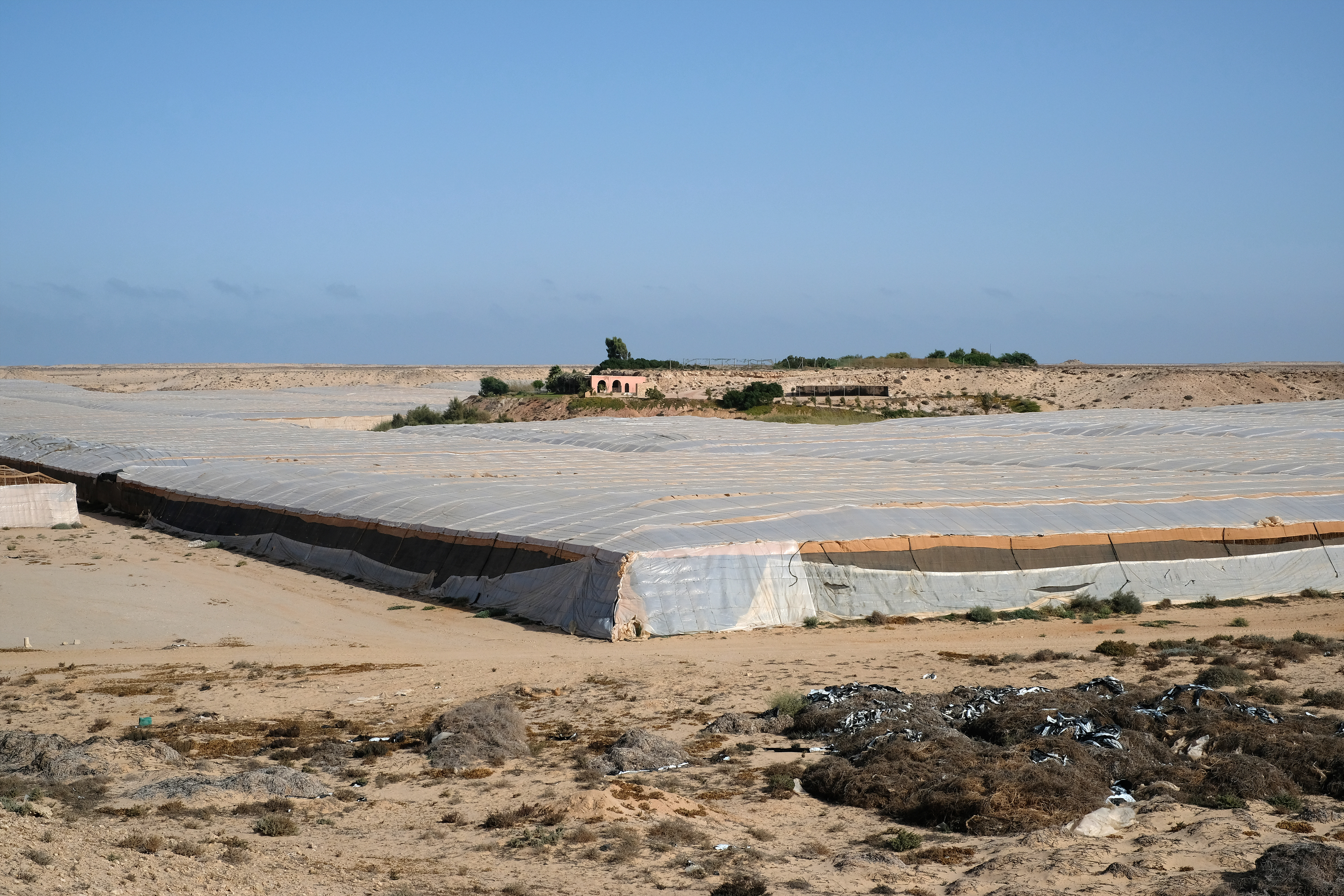
Engie paves way for new farmland in occupied Western Sahara
Morocco has launched another tender to allocate more than 1,000 hectares of agricultural land in occupied Western Sahara, made cultivable through the French company Engie. The expansion comes as the EU considers increasing the unlawful trade with the territory.