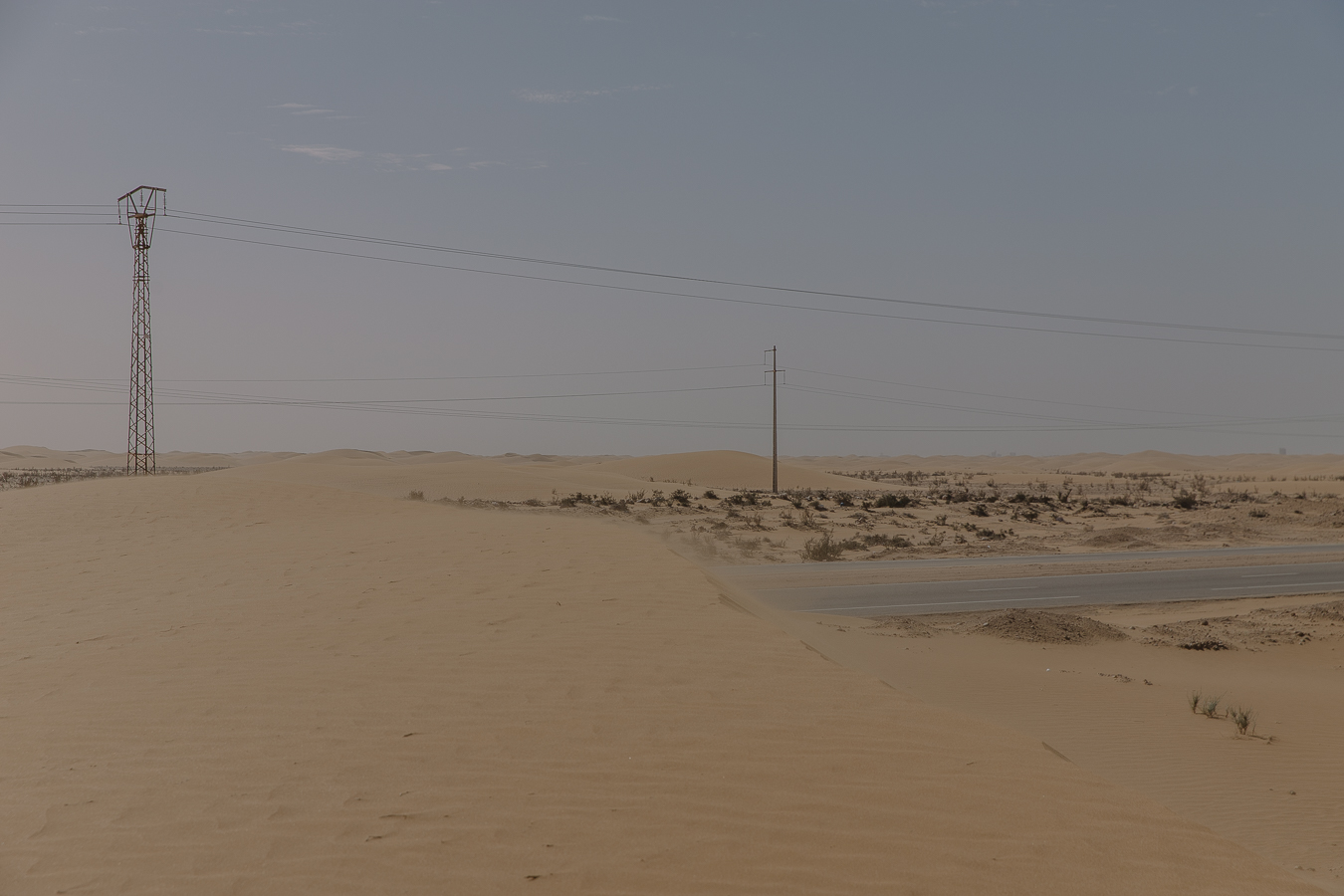
Don’t be fooled by the clean-energy rhetoric on this new 1,000 km power line – this is about infrastructural annexation of occupied land.
On 26 November 2025, Morocco’s national electricity and water utility ONEE opened a pre-qualification tender for the construction of 1,000 km ultra-high-voltage central Morocco.
The project, published on ONEE’s procurement portal, foresees the transport of up to 2,000 MW of renewable electricity, and a commissioning date of December 2028.
ONEE presents the line as part of Morocco’s effort to reinforce the “national” grid and facilitate the evacuation of renewable power produced in what it calls “the South” – a designation that in practice means occupied Western Sahara.
This new project follows the May 2025 award of a massive contract to the Moroccan-Emirati consortium formed by TAQA Morocco, Nareva and the Fonds Mohammed VI pour l’Investissement. Under that deal, the consortium is to build 1,400 km of high-voltage direct-current (HVDC) transmission lines with a 3,000 MW capacity - described publicly as an “Electric Highway” - plus about 1,200 MW of wind power capacity inside occupied Western Sahara.
That earlier package already represented a major deepening of infrastructure linking the occupied territory to Morocco proper.
The newly announced Boujdour–Tensift UHT project is thus seemingly not part of the Electric Highway project, but runs parallel to it. ONEE’s own communication lists the UHT link alongside a future HVDC link that will connect “southern Morocco with the centre of the Kingdom”, indicating that Morocco is building multiple large-capacity transmission corridors out of the occupied territory.
Together, these developments show that Morocco is not simply expanding grid capacity - it is accelerating the infrastructural integration of occupied Western Sahara. Parallel AC and DC transmission arteries significantly increase the volumes of electricity that can be exported northwards, entangling the territory more tightly with Morocco’s energy system, industry, and long-term planning.
“We call on companies to act responsibly and avoid involvement in Morocco’s projects in Western Sahara. Such infrastructure is anything but neutral,” says Sara Eyckmans of Western Sahara Resource Watch. “This is not a benign green-energy project, but part of a broader pattern of colonisation: the deepening integration of the occupied territory into Morocco’s grid and economy, presented as a ‘green transition’. Renewable infrastructure is being deployed as a tool of de facto annexation.”
As with previous renewable energy installations and the HVDC Electric Highway, the Saharawi people have not given consent for the construction of this new transmission corridor – despite its long-term implications for land-use and resource control.
The tender is organised as an EPC (Engineering, Procurement, Construction) contract. After pre-qualification, ONEE will invite full bids. Contractors have until 15 January 2026 (12:00 Moroccan time) to submit their dossiers.
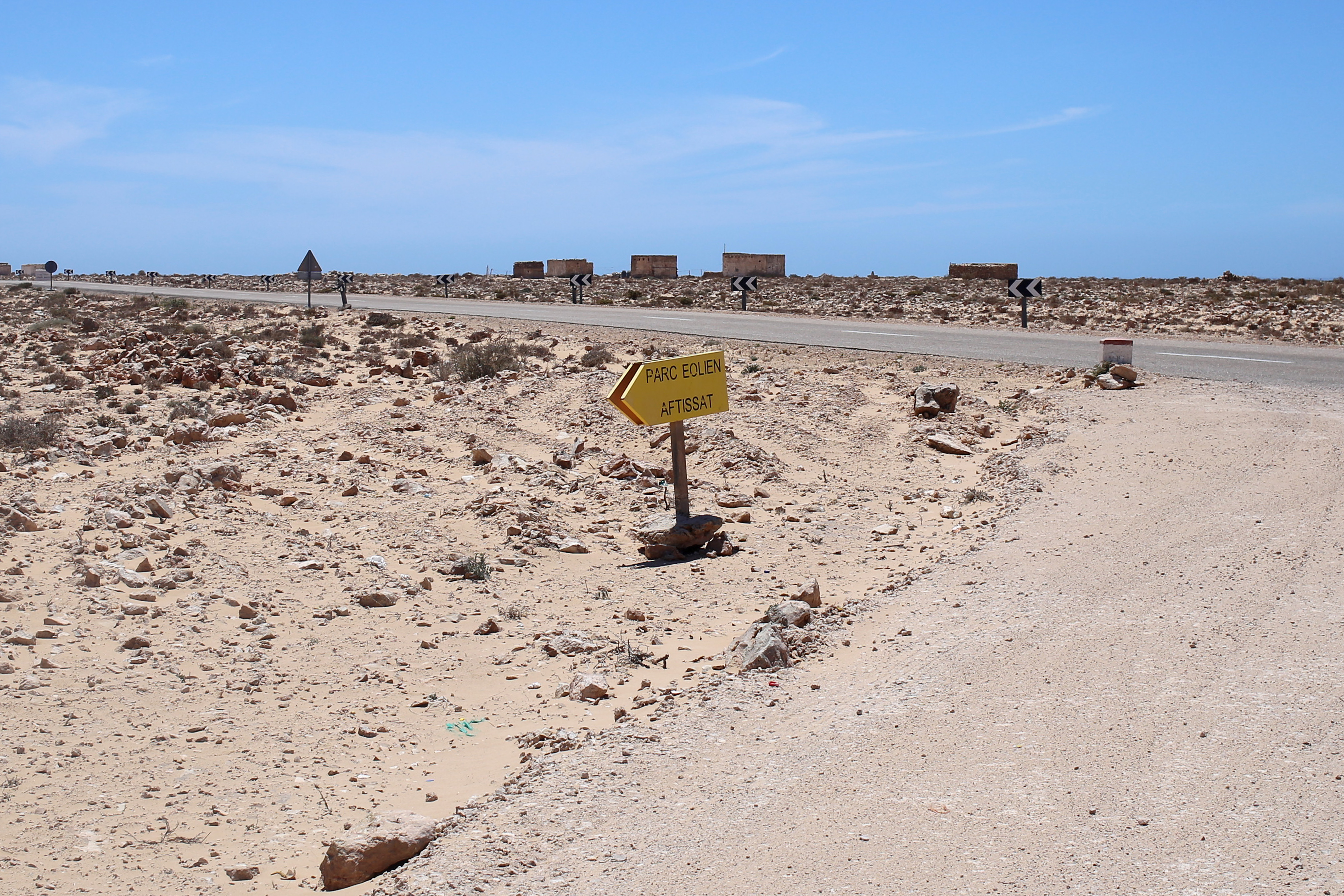
Occupied Western Sahara wind complex expands into Africa's top three
The Moroccan king’s energy company appears to have completed two new phases of the Aftissat wind power complex in occupied Western Sahara.

Dirty green energy on occupied land
How can it be wrong to develop renewable energy, in a world that is in desperate need for a green transition? In Western Sahara, the problems are numerous.
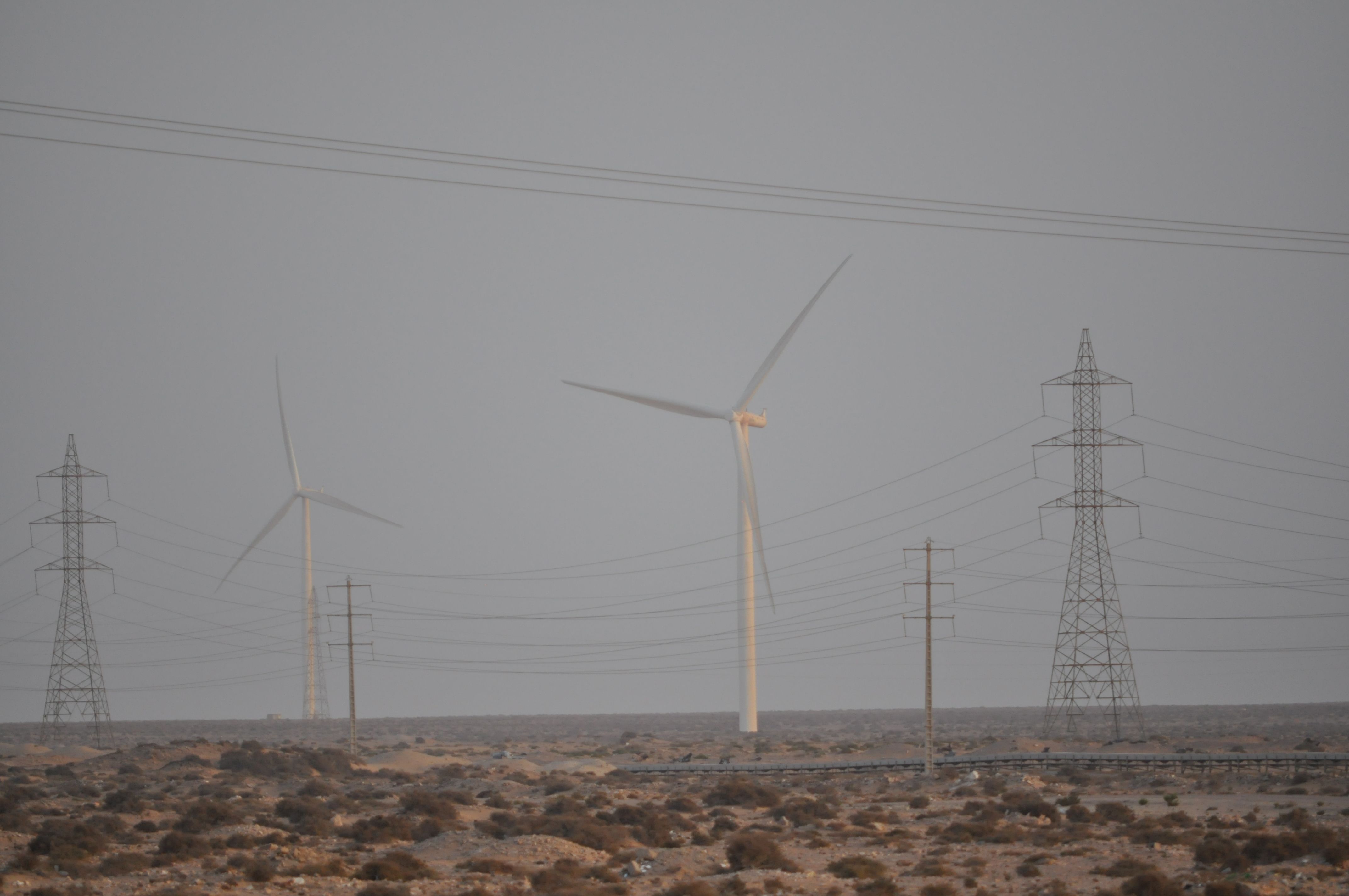
Trump administration bankrolls ammonia project in occupied Western Sahara
The Trump administration has become the first US government to finance a private-sector project in occupied Western Sahara, awarding support to the controversial ORNX green ammonia venture.
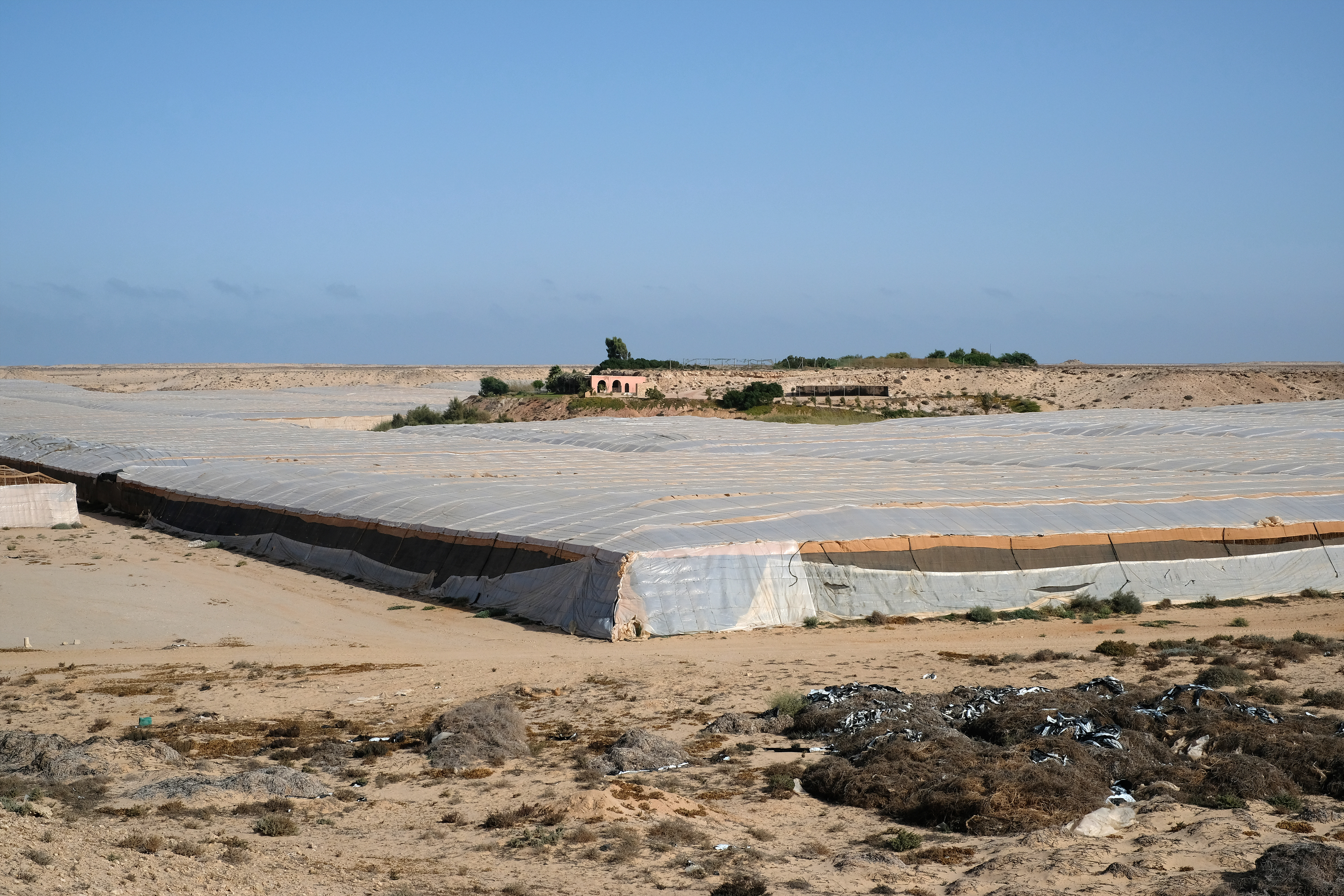
Engie paves way for new farmland in occupied Western Sahara
Morocco has launched another tender to allocate more than 1,000 hectares of agricultural land in occupied Western Sahara, made cultivable through the French company Engie. The expansion comes as the EU considers increasing the unlawful trade with the territory.