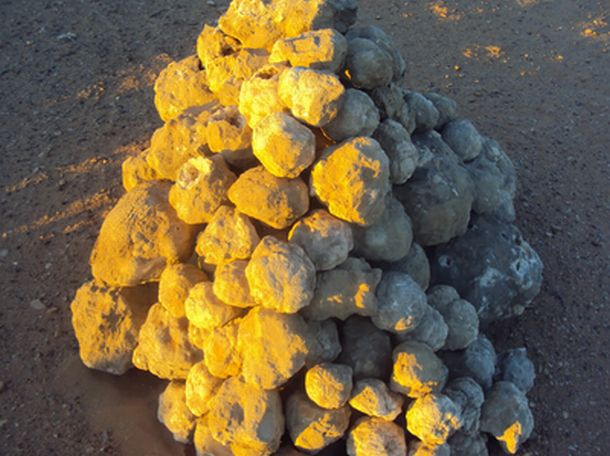
Seeking to position itself as a key supplier of strategic minerals for Western powers, Morocco has signed a new agreement with the United States that covers Western Sahara’s waters and the critical minerals harboured there.
On 4 February 2026, Morocco and the United States signed a memorandum of understanding (MoU) in Washington on cooperation and investment in the exploration and extraction of critical minerals. According to Moroccan and US officials, the agreement is intended to strengthen supply chains for minerals deemed essential for energy transition, defence technologies and advanced manufacturing.
Spanish media report that the agreement explicitly refers to offshore mineral resources, including seabed deposits along Morocco’s Atlantic coast. These waters overlap with maritime zones claimed by Spain in relation to the Canary Islands, as well as with the waters off the coast of Western Sahara, a territory recognised by the United Nations as non-self-governing, that has been largely under illegal occupation by Morocco since 1975.
Morocco unilaterally expanded its claimed maritime zones in 2020, extending its exclusive economic zone and continental shelf to include waters off Western Sahara. As Western Sahara is a non-self-governing territory separate from Morocco, these maritime claims are not internationally recognised and lack any legal foundation.
Any unilateral exploitation of seabed minerals in disputed maritime areas risks contravening international law and the mandate of the International Seabed Authority, which regulates mineral activities in international waters, beyond national jurisdictions.
While the MoU does not explicitly mention Western Sahara, it fits into a broader pattern in which Morocco promotes investment in natural resources located in or adjacent to the illegally occupied territory. International law is clear that Western Sahara is separate and distinct from Morocco, and any exploitation of its natural resources requires the consent of the Saharawi people.
“The Trump administration is approaching Western Sahara as if it were a commercial asset rather than an unresolved decolonisation issue,” says Sara Eyckmans from Western Sahara Resource Watch (WSRW). “By framing the territory’s land and waters as part of a minerals deal with Morocco, the United States risks treating international law as an obstacle to be bargained away. The entry of the US into the occupied territory undermines any peace talks that seek to fulfil the Saharawi people’s right to self-determination.”
The Atlantic waters between the south of Morocco, the Canary Islands and Western Sahara harbour dozens of seamounts - including the well-known Mount Tropic that is one of the world's largest deposits of tellurium and cobalt - that, according to experts, contain significant quantities of iron, manganese, nickel, copper, arsenic, and chromium. All of these are used in batteries, renewable energy technologies, electronics and military applications. The US government has increasingly pursued agreements covering these minerals in order to reduce reliance on Chinese-controlled supply chains.
Notably, Spain did not participate in the meeting in Washington, despite being directly affected by the maritime areas concerned through the Canary Islands. Several other European countries were reportedly present, making Spain’s absence particularly notable.
The agreement was signed 4 days before the US hosted talks in Madrid between Moroccan officials and the UN-recognised representative of the Saharawi people, the Polisario Front, reportedly related to Morocco’s autonomy proposal for Western Sahara. The timing underscores how economic and strategic cooperation with Morocco is advancing in parallel with - rather than in resolution of - the Western Sahara conflict.
WSRW reiterates that governments and companies must ensure full compliance with international law and must refrain from engaging in activities that may contribute to the exploitation of Western Sahara’s natural resources without the consent of its people.
Since you're here....
WSRW’s work is being read and used more than ever. We work totally independently and to a large extent voluntarily. Our work takes time, dedication and diligence. But we do it because we believe it matters – and we hope you do too. We look for more monthly donors to support our work. If you'd like to contribute to our work – 3€, 5€, 8€ monthly… what you can spare – the future of WSRW would be much more secure. You can set up a monthly donation to WSRW quickly here.
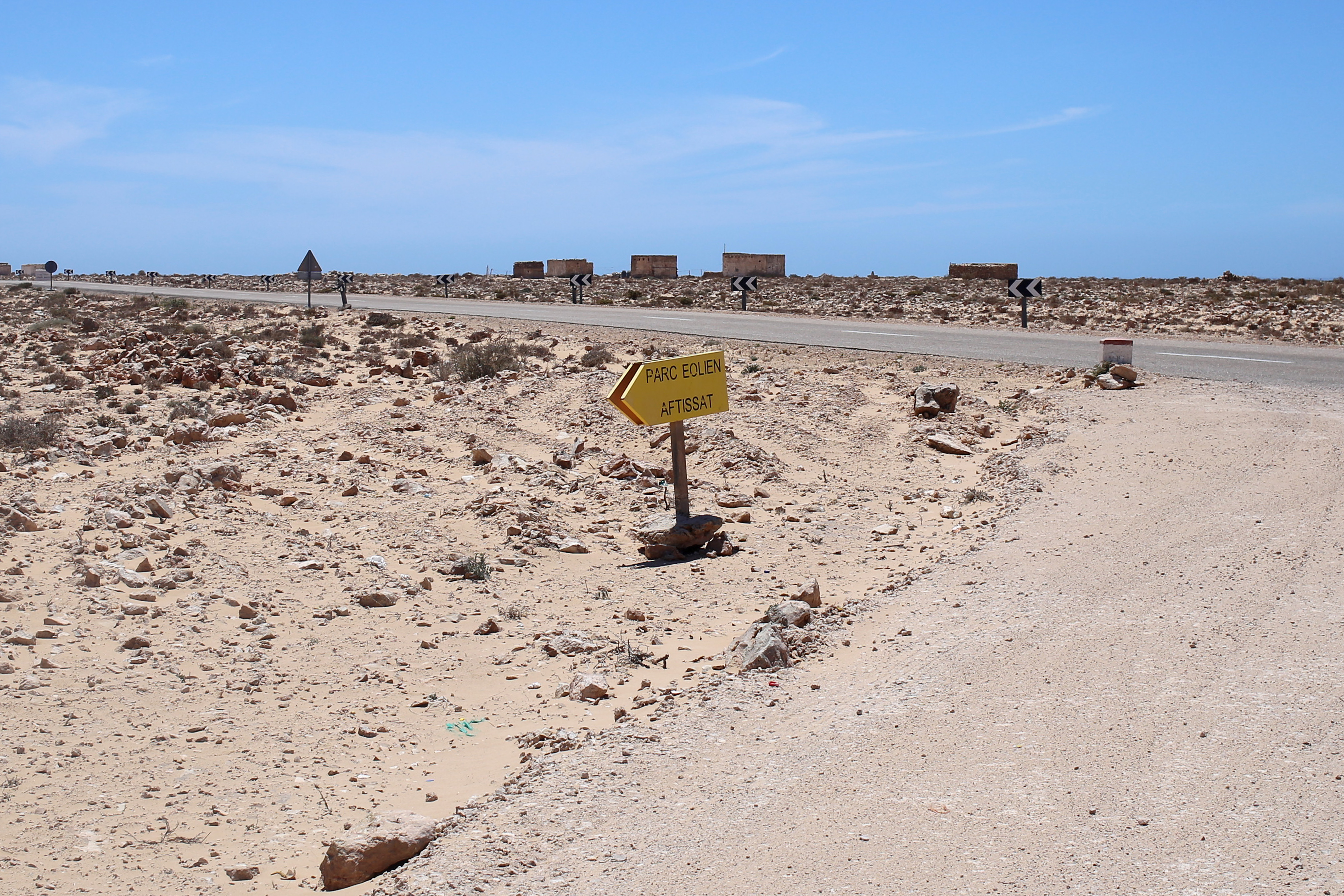
Occupied Western Sahara wind complex expands into Africa's top three
The Moroccan king’s energy company appears to have completed two new phases of the Aftissat wind power complex in occupied Western Sahara.

Dirty green energy on occupied land
How can it be wrong to develop renewable energy, in a world that is in desperate need for a green transition? In Western Sahara, the problems are numerous.
Trump administration bankrolls ammonia project in occupied Western Sahara
The Trump administration has become the first US government to finance a private-sector project in occupied Western Sahara, awarding support to the controversial ORNX green ammonia venture.
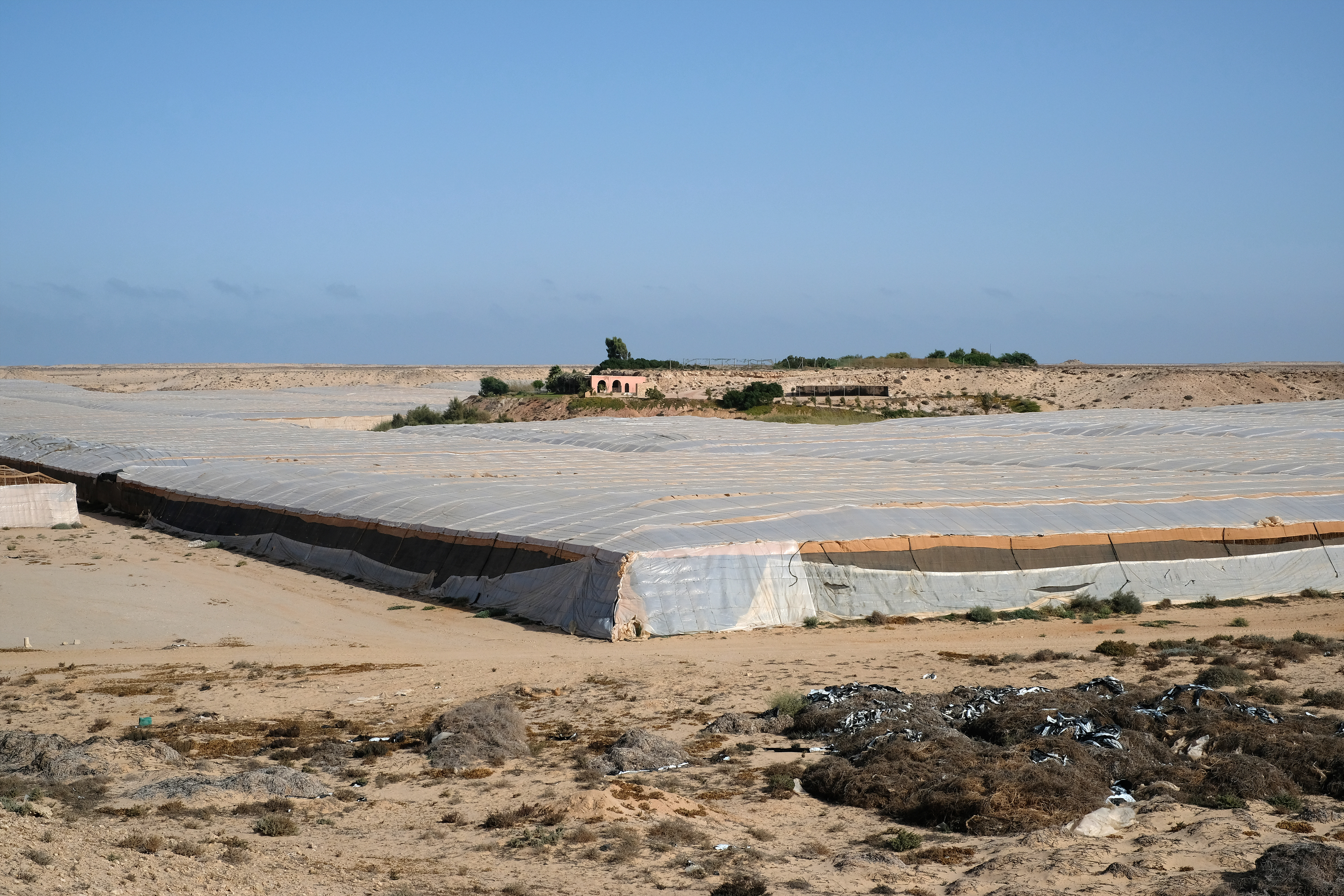
Engie paves way for new farmland in occupied Western Sahara
Morocco has launched another tender to allocate more than 1,000 hectares of agricultural land in occupied Western Sahara, made cultivable through the French company Engie. The expansion comes as the EU considers increasing the unlawful trade with the territory.