
US president Donald Trump issued a statement today in which he backs Morocco's occupation of Western Sahara and the opening of a consulate in Dakhla, "to promote economic and business opportunities".
Outgoing US President Donald Trump on 10 December, on Human Rights Day, recognised Morocco's untenable claim to occupied Western Sahara, in return for Morocco normalising relations with Israel. Find the proclamation here.
The statement also stipulates that "the United States will encourage economic and social development with Morocco, including in the Western Sahara territory, and to that end will open a consulate in the Western Sahara territory, in Dakhla, to promote economic and business opportunities for the region."
The town of Dakhla is the location where a US bitoin mining company will establish a large energy project next year. Some agriculture products are allegedly also exported from the unsustainable greenhouses in the desert near Dakhla to North America.
"It is not for Donald Trump to decide the status of Western Sahara. International law has determined that this is the prerogative of the people of Western Sahara", says Sylvia Valentin, Chair of WSRW. "US recognition of Morocco's illegal occupation of Western Sahara does not make the occupation legal."
In response to the US move, the spokesperson of UN Secretary-General Antonio Guterres noted in a press briefing today that "Our stand on Western Sahara is unchanged".
The move marks a departure from longstanding US policy, which did not formally recognise Morocco's claim to the territory.
The US Trade Representative stated for instance in 2004 that the US-Morocco Free Trade Agreement does not include Western Sahara, since "The United States [...] do not recognize Moroccan sovereignty over Western Sahara
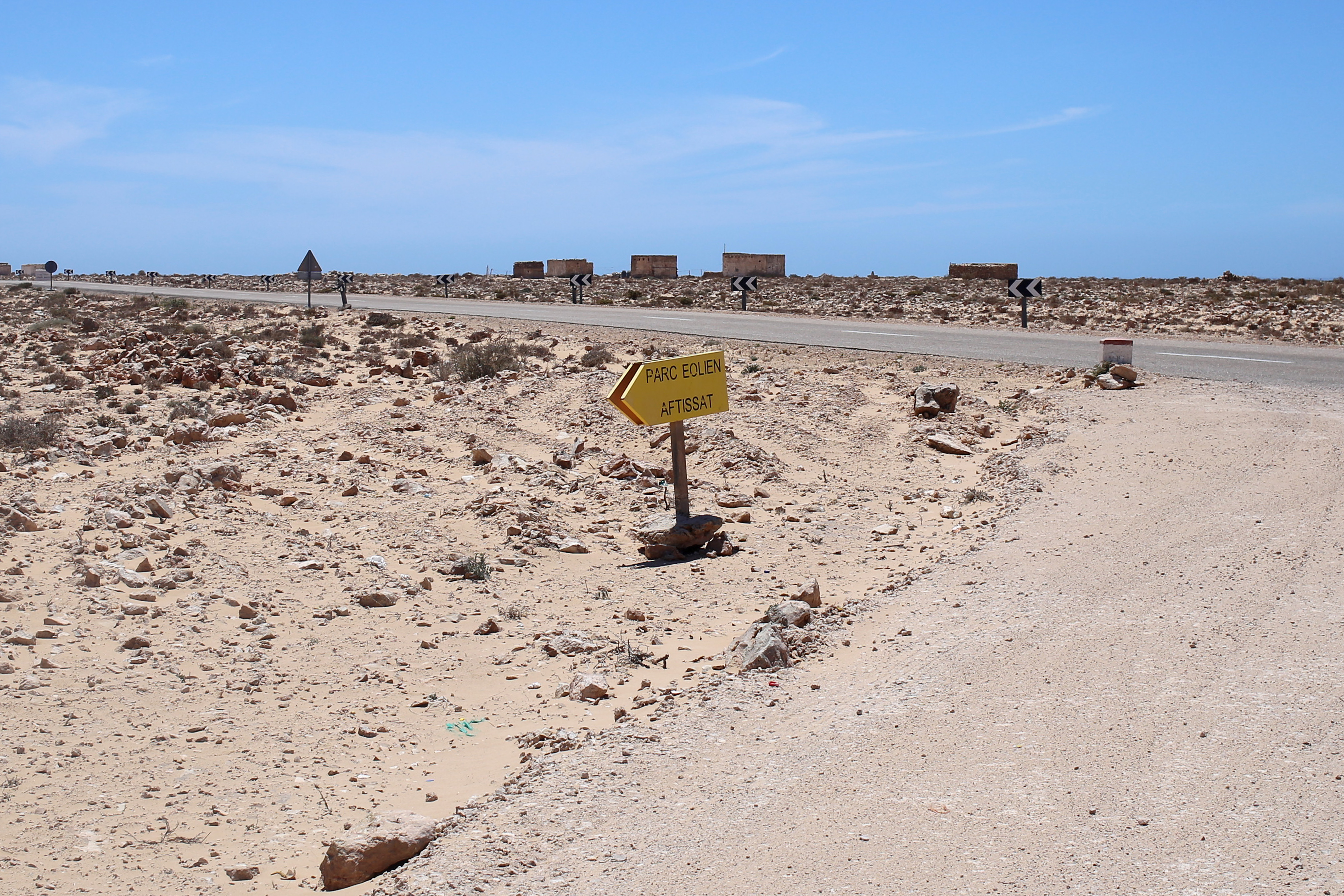
Occupied Western Sahara wind complex expands into Africa's top three
The Moroccan king’s energy company appears to have completed two new phases of the Aftissat wind power complex in occupied Western Sahara.

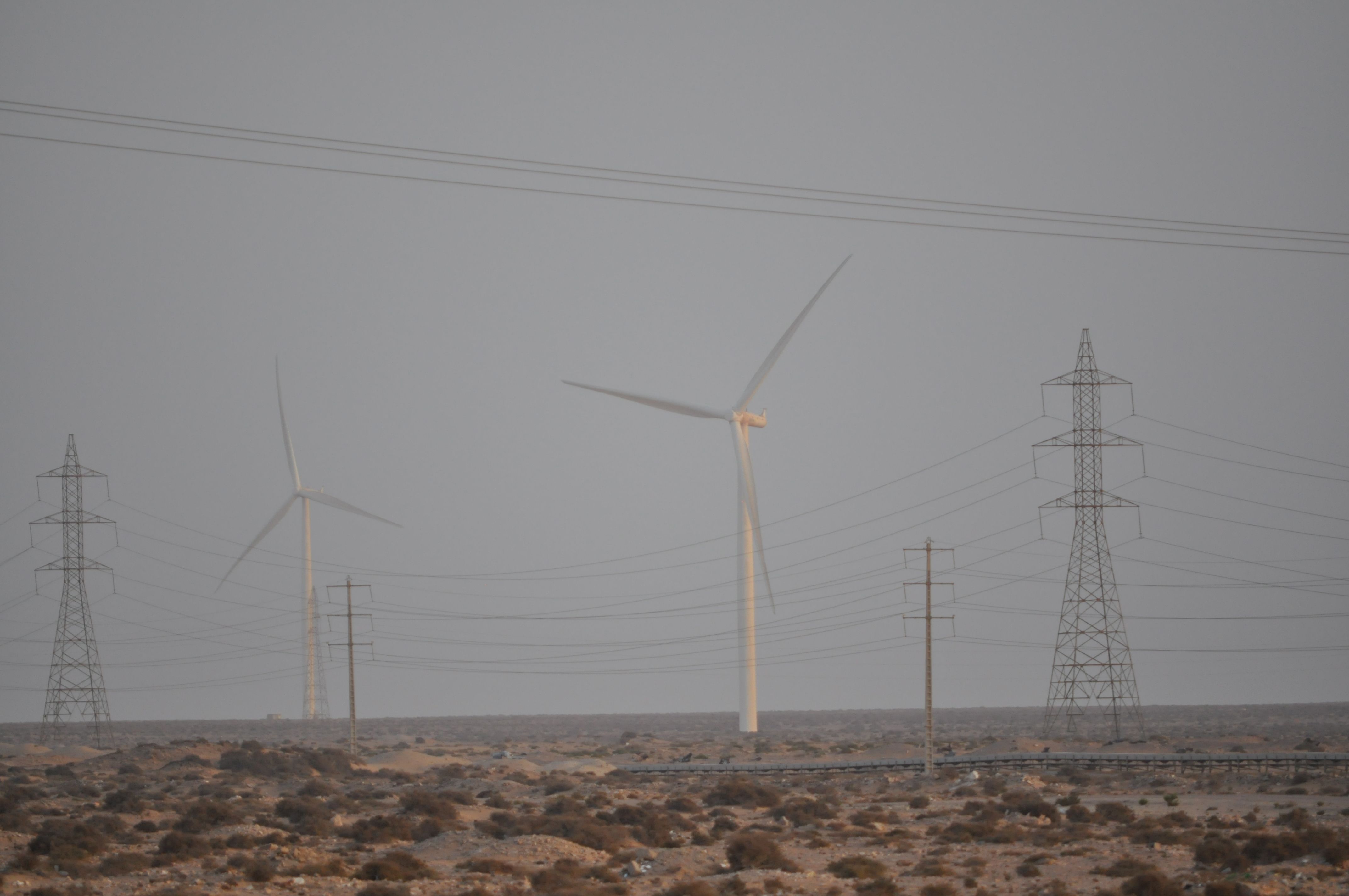
Dirty green energy on occupied land
How can it be wrong to develop renewable energy, in a world that is in desperate need for a green transition? In Western Sahara, the problems are numerous.
Trump administration bankrolls ammonia project in occupied Western Sahara
The Trump administration has become the first US government to finance a private-sector project in occupied Western Sahara, awarding support to the controversial ORNX green ammonia venture.
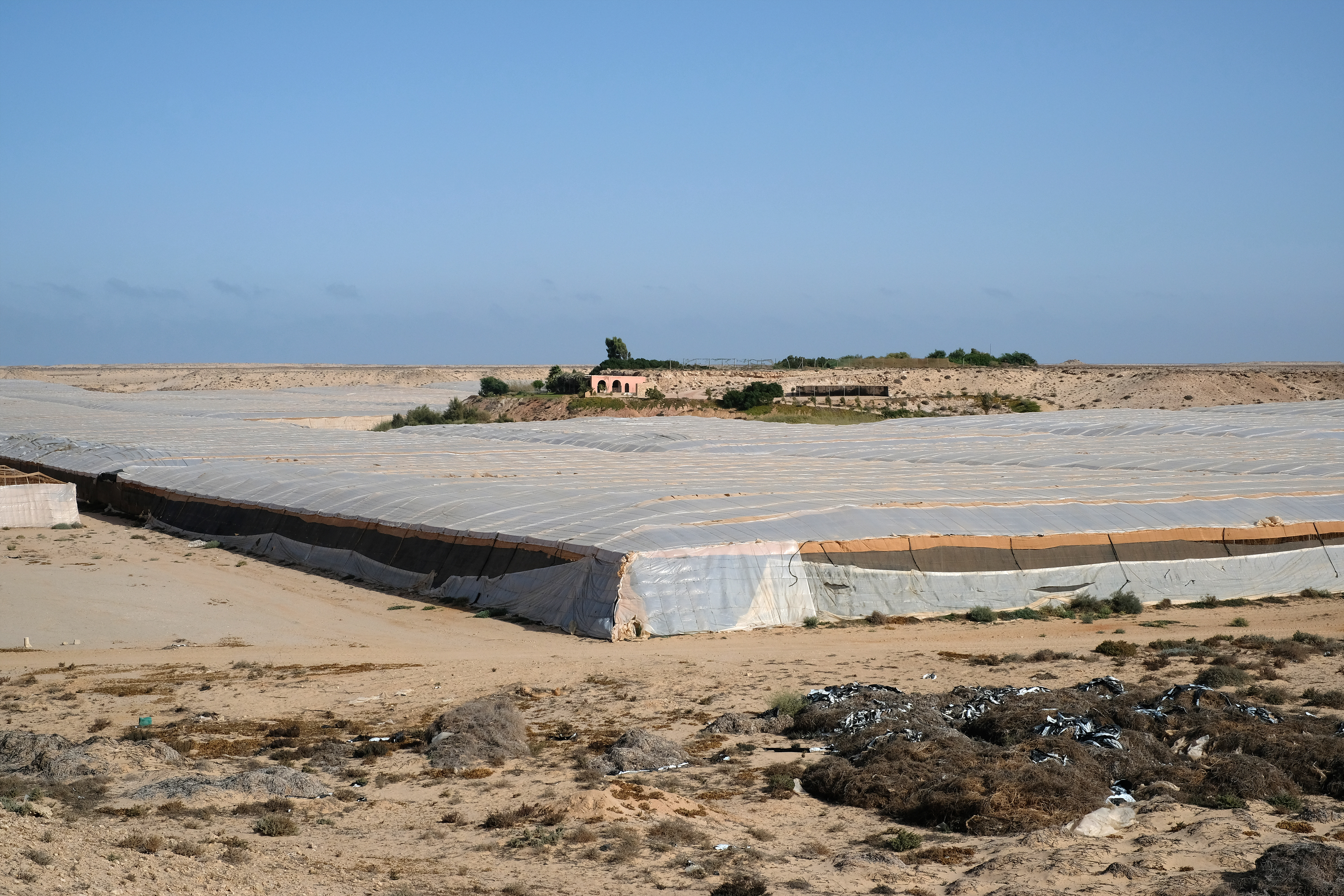
Engie paves way for new farmland in occupied Western Sahara
Morocco has launched another tender to allocate more than 1,000 hectares of agricultural land in occupied Western Sahara, made cultivable through the French company Engie. The expansion comes as the EU considers increasing the unlawful trade with the territory.