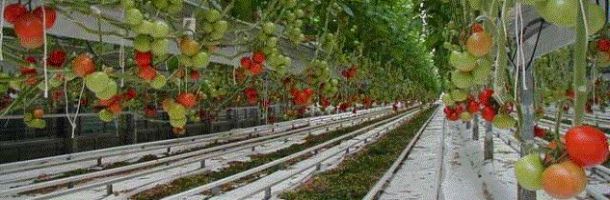
"Laayoune depends on expensive desalinization, and the longevity of Dakhla's fresh water aquifer is unknown", the US Embassy noted in a dispatch dated 18 May 2005.
The issue of water management is a key issue in any agriculture. In its recently published report, ‘Label and Liability’, WSRW identifies 11 agricultural sites near Dakhla, all owned by the Moroccan king, Moroccan conglomerates of French-Moroccan firms. The report further outlines how the produce of this controversial agro-industry, pumping up water in huge quantities, finds its way to EU consumers' shopping baskets.
"While Morocco suffers from regular periodic drought and a dropping water table, Dakhla's aquifer provides a constant year-round source of irrigation", stated the cable.
"Agriculture for export has been successful in Dakhla but is not practical on a large scale due to water scarcity.[...] Western Sahara is fortunate to have a year-round growing season and good road access to markets in Europe, but what the region possesses in sunshine, it lacks in fresh water", it stated.
The concerns from the US cable on the non-sustainability of the agricultural production in Western Sahara ecchoes similar statements from the Green Euro-parliamentarian José Bové, the European Parliament's rapporteur on the EU-Morocco agri-deal:
"Agri-businesses have been setting up since 2006 on the outskirts of Dakhla (Western Sahara) where they are drawing on coastal ground water. Overexploitation of these reserves will, in the long term, result in the salinisation of fresh water, jeopardising the local population’s water supply", the French Europarliamentarian wrote in his report.
The US cable also highlights Dakhla as an important new agricultural area.
“Western Sahara’s southern latitude sees produce mature 10-15 days before competitors in Agadir 1,000 miles to the north, giving producers in Dakhla a two-week head-start in European markets”, it said. It makes specific reference to what was probably the first French-Moroccan partnership which in 2002 signed a $12 million joint venture with the Moroccan government, granting it 300 hectares in the Dakhla area. In 2005, the group had already covered 100 hectares, allowing for an annual export of 5.000 tonnes of tomatoes to Europe and Canada.
A new EU-Morocco agricultural agreement is expected to enter into force soon. Its vague territorial scope will allow greater volumes of fresh produce from occupied Western Sahara to enter the EU market, stamped as from Morocco.
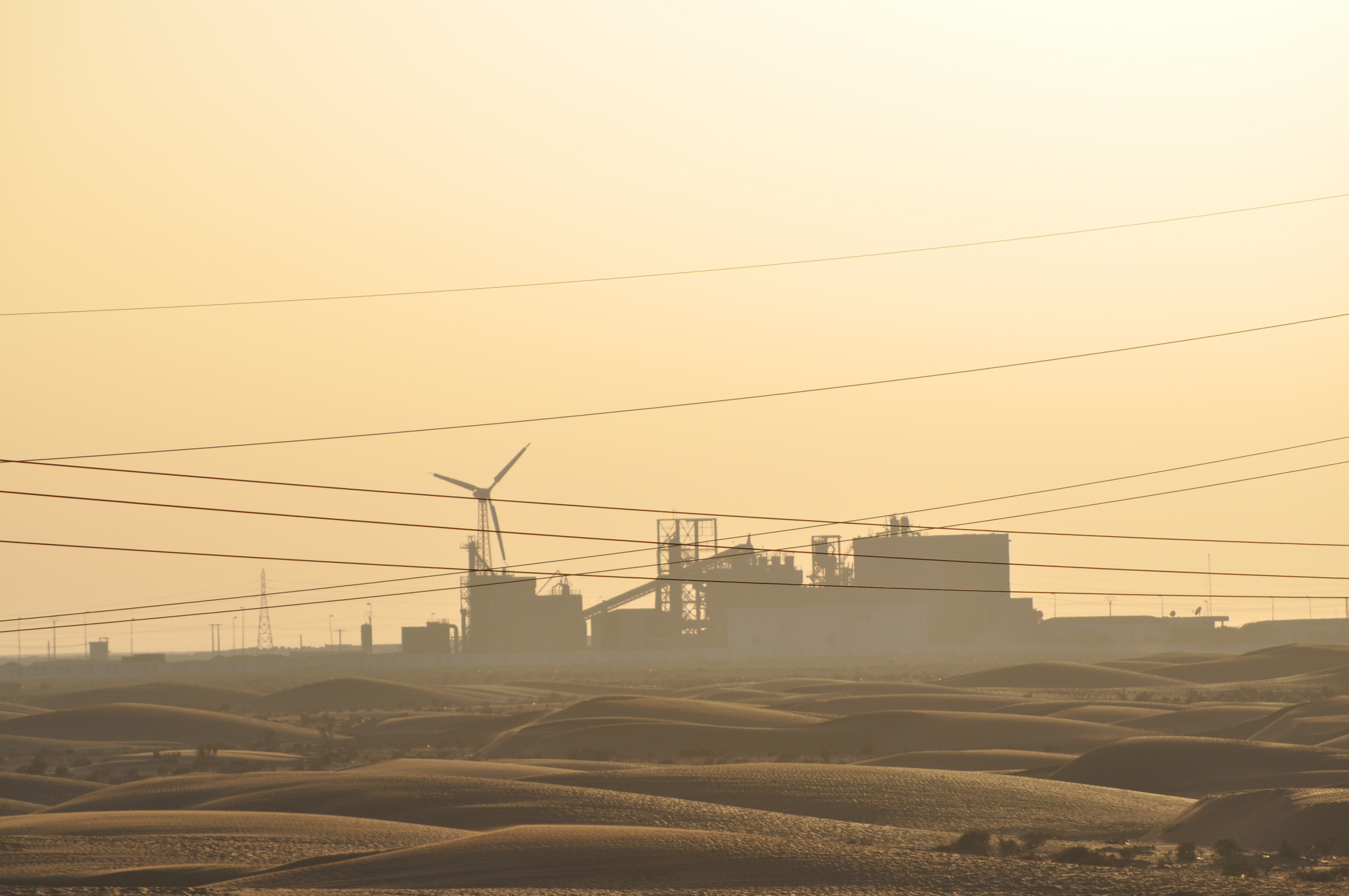
Heidelberg Materials deepens its role in Morocco’s occupation of Western Sahara
The German company confirms once again that its operations in occupied Western Sahara are closely tied to Morocco’s infrastructure expansion in the territory - while continuing to dismiss the Saharawi people’s right to consent.

The conflict phosphates - four decades of plunder
For over 40 years, a Moroccan state-owned company has exported phosphate rock from occupied Western Sahara.
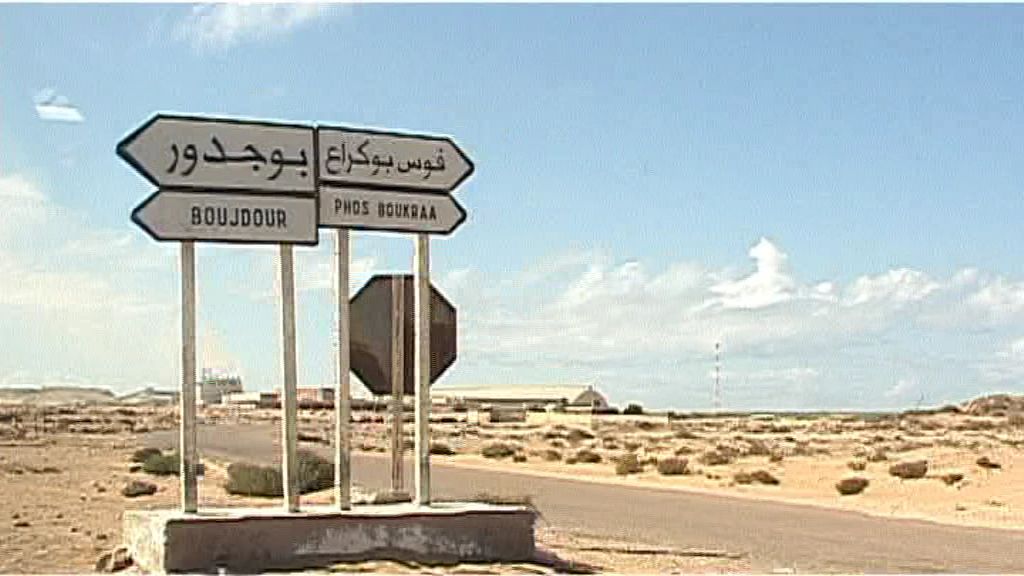
Record low number of importers of Western Sahara phosphates
Only three companies imported phosphate rock from occupied Western Sahara in 2025 - the lowest number ever recorded. The findings appear in our annual P for Plunder report, released today.

One of the richest coastlines in the world
The fish stocks of occupied Western Sahara have not only attracted the interest of the Moroccan fleet: other foreign interests are also fishing in the occupied waters through arrangements with Moroccan counterparts. Along the Western Saharan coastline, a processing industry has emerged.