First ship to challenge EU Court ruling on occupied Western Sahara
Two weeks have passed since the Court of Justice of the EU decided that Western Sahara products cannot be part of EU-Morocco trade deal. A vessel is now to transport fish oil from the occupied territory, most probably to France.
Published 06 January 2017
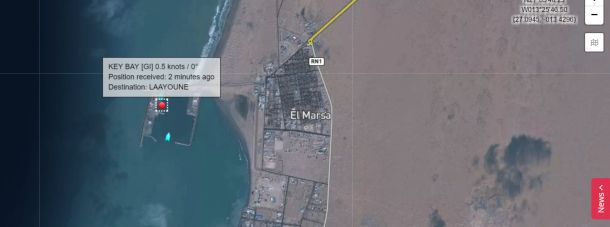
On the evening of 5 January 2017, the vessel Key Bay entered the waters of Western Sahara. After waiting for green light outside of El Aaiun port the whole day of today, the vessel moved in to the port around 6PM this evening, European time.
The vessel is well known to Western Sahara Resource Watch. Key Bay, and its sister vessels have for many years transported fish oil from Western Sahara into Europe. It is the first known vessel to challenge the EU and its member states on how to relate to the imports of goods from Western Sahara, following a landmark decision by the Court of Justice of the EU on 21 December 2016.
The judgement ruled, pointing to the International Court of Justice and to UN resolutions, that Western Sahara is not part of Morocco, and that the EU-Morocco trade deal cannot apply to Western Sahara.
The vessel earlier this week did a stop-over in the Southern Moroccan town of Tan Tan, possibly to pick up a fish oil cargo there on the way to El Aaiun, where it would load more of the same product. The last time Key Bay did a shipment from Western Sahara to Europe was in September 2016.
The importer of the product from the occupied territory is most likely Olvea, a French company which refuses to answer questions regarding the trade.
The vessel in question is chartered by Sea Tank Chartering and owned by Gezina AS, both companies from Norway. The involvement of the two companies caused headlines in Scandinavian media in the past. At that time, the vessel picked up the Moroccan certificates of origin in Tan Tan, and the cargo itself in El Aaiun.
WSRW earlier today, while the vessel was still anchored outside of El Aaiun port, WSRW sent a letter to the charterer of the vessel asking it to not enter the port itself. See that letter here.
A letter had already on 31 December been sent from the Norwegian Support Committee for Western Sahara to Sea Tank, requesting them not to take part in the trade (in Norwegian). The vessel was already then heading southwards along the coast of Morocco.
In 2010, the transports of fish oil in the same vessels to Norway created a long award-winning documentary on Swedish broadcaster SVT. In the political debate that followed, the Norwegian government stated that such products cannot enter Norway under the EFTA-Morocco free trade pact, as Western Sahara is not Morocco.
Then, most of the export shifted from Scandinavia to France. But what happens when the Court stated the same as Norway - that Western Sahara is not part of the EU trade agreement either?
WSRW has not received confirmation about where the vessel now is heading, but statistically speaking, this vessel will now transport the oil to Fécamp in Normandy, France.
News
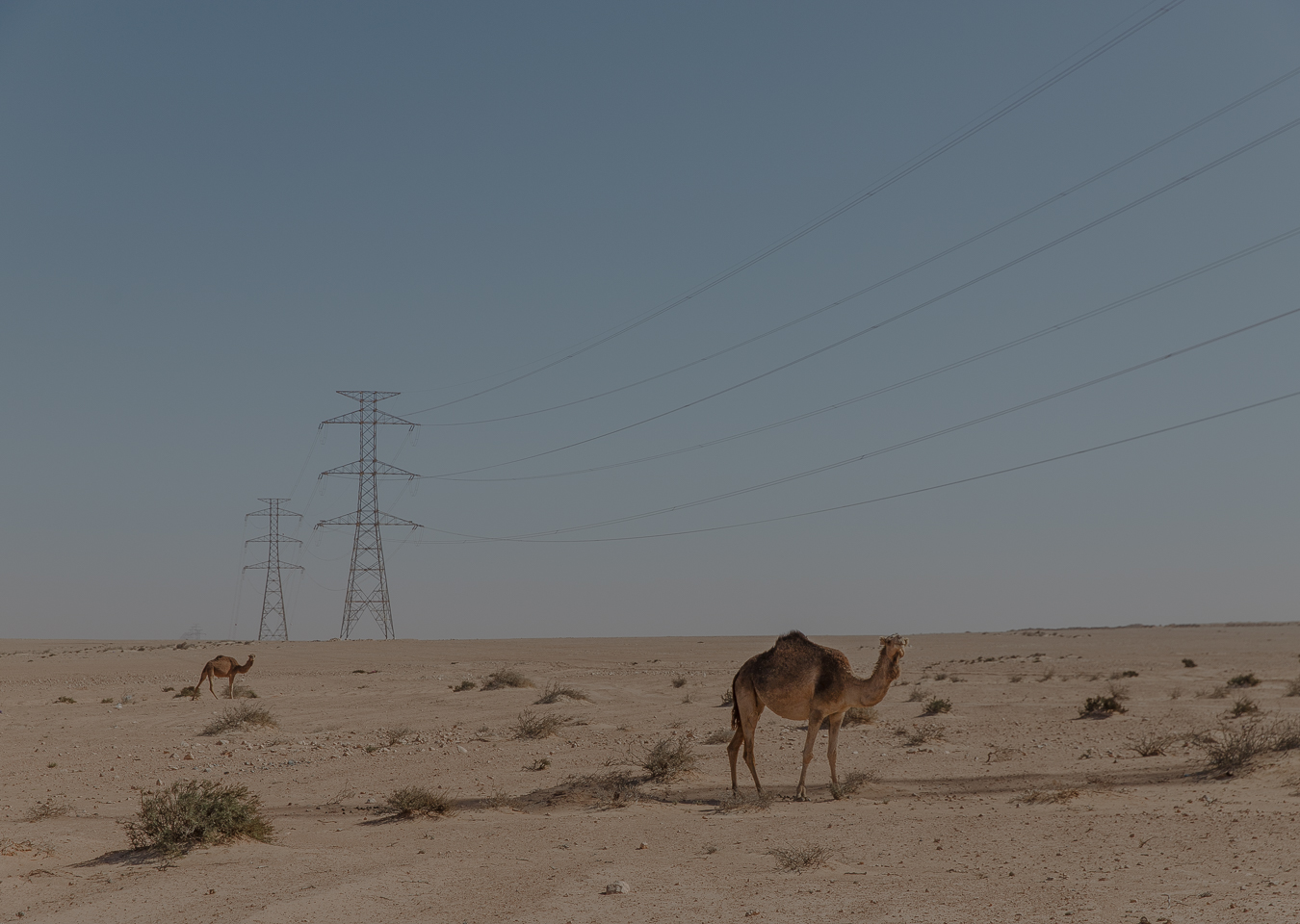
Another company of the Moroccan king involved in occupied Western Sahara
A company closely linked to Morocco’s royal business network has entered a new project in occupied Western Sahara, partnering with a Chinese state-owned electricity giant on high-voltage infrastructure in Boujdour.
10 September 2026
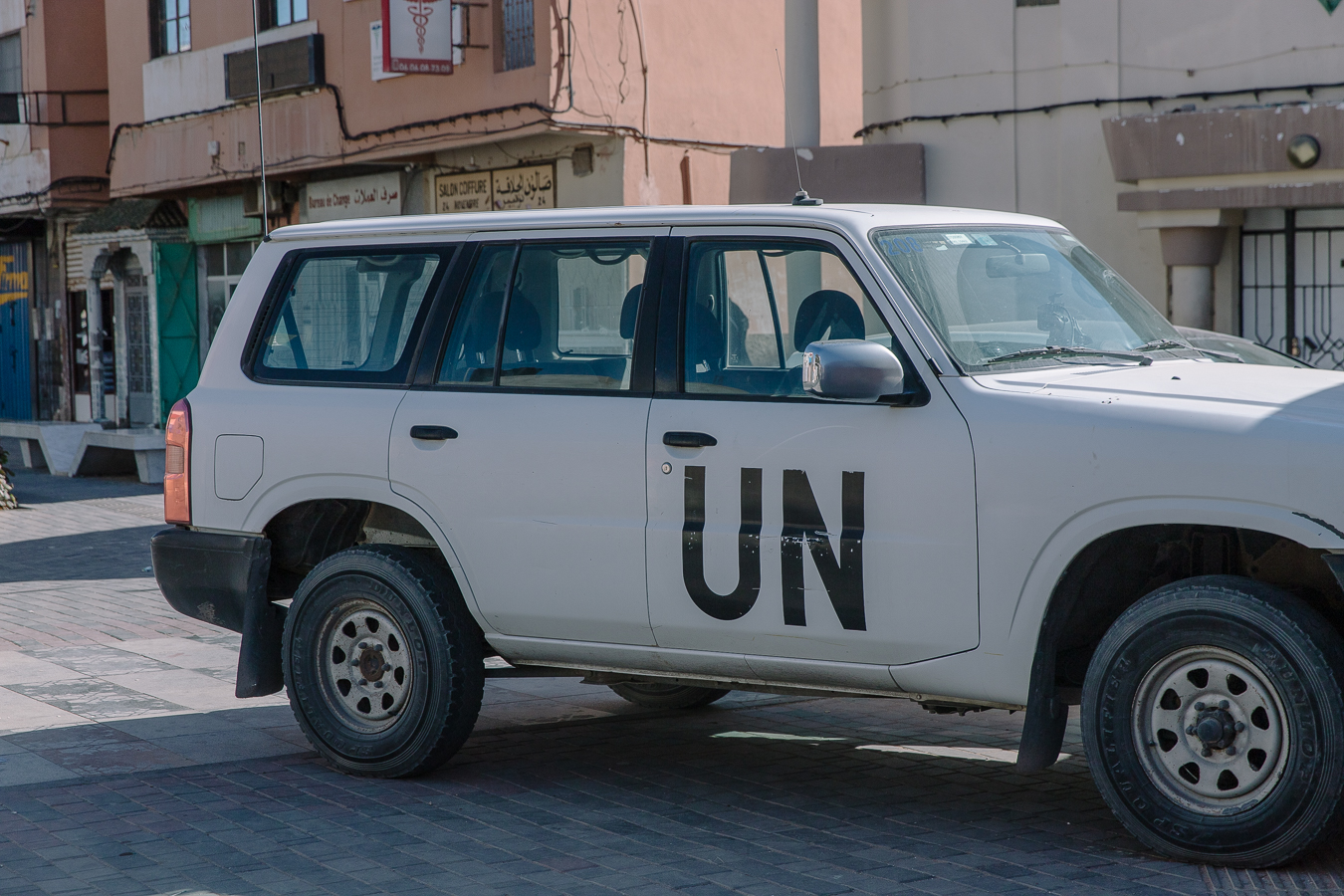
Don't let resource exploitation decide Western Sahara's future
Western Sahara Resource Watch calls on the UN to address the accelerating exploitation of the territory’s natural resources - and prevent it from becoming an even greater obstacle to self-determination.
08 September 2026
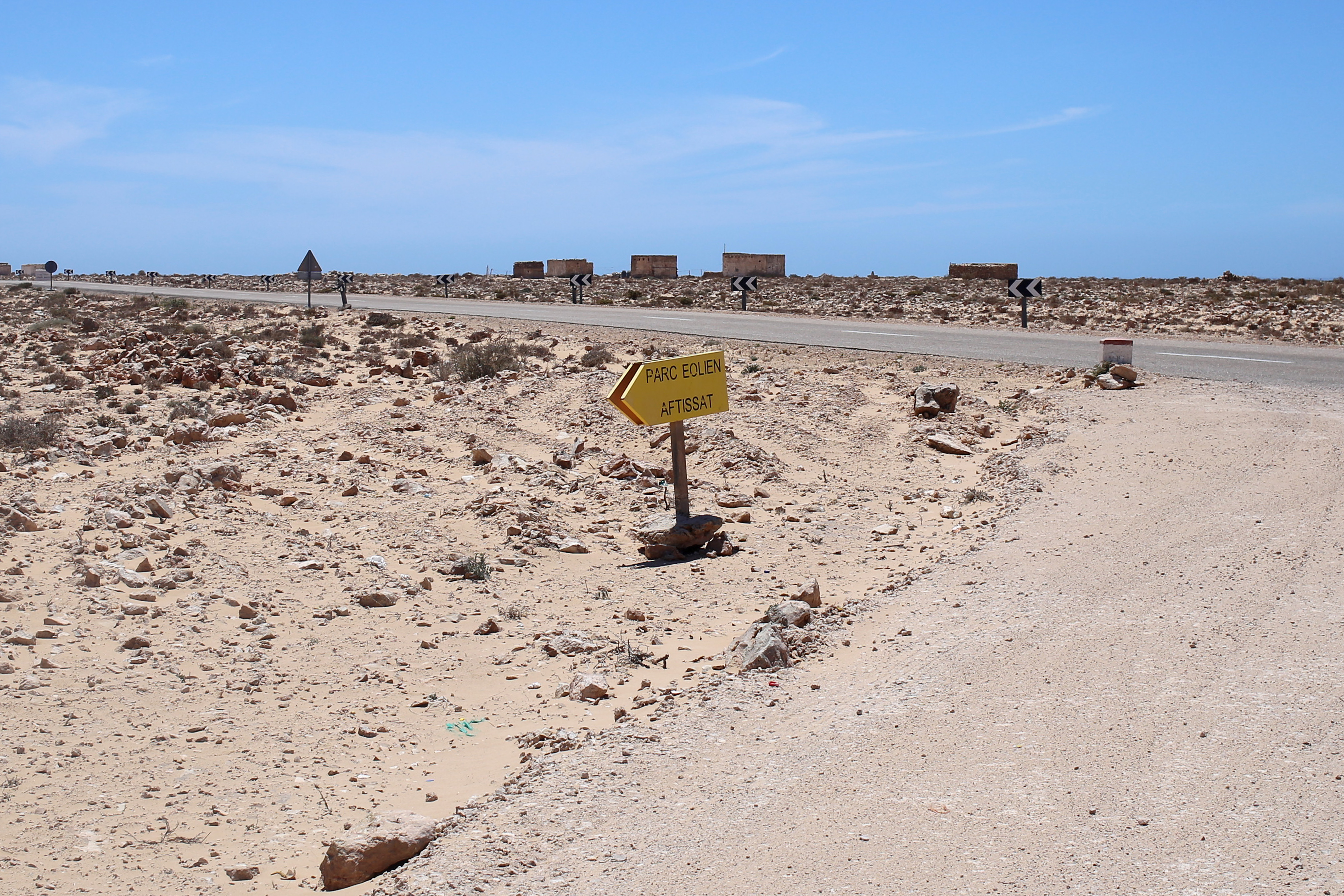
Occupied Western Sahara wind complex expands into Africa's top three
The Moroccan king’s energy company appears to have completed two new phases of the Aftissat wind power complex in occupied Western Sahara.
11 August 2026

Dirty green energy on occupied land
How can it be wrong to develop renewable energy, in a world that is in desperate need for a green transition? In Western Sahara, the problems are numerous.
06 August 2026