Western Sahara Resource Watch turned 10 today
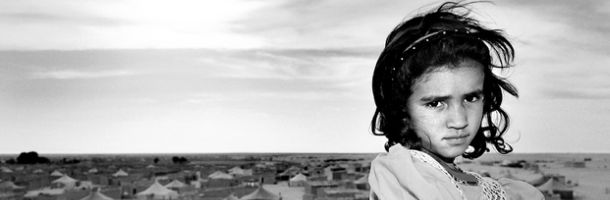
Formally established at a meeting in Brussels on 5 February 2005, WSRW turned 10 years today.
Published 05 February 2015
The group was first formed in 2004 as the International Coalition for the Protection of Natural Resources in Western Sahara, with a main focus to stop Kerr-McGee and TotalFinaElf, the two oil companies which carried out seismic exploration activities in Western Sahara at the time.
The network was in short formed as a response to the entry of oil companies into the territory, and to the 2002 UN Legal Opinion which deemed such oil exploration in violation of international law.
On 5 February 2005, at a meeting in Brussels, the group formalised its mission and demands, and renamed to Western Sahara Resource Watch. Many of the activists had a background in the global East Timor and anti-Apartheid solidarity movements, and had inherited the organisational and campaign skills from those solidarity campaigns.
From 2006, WSRW worked on the EU-Morocco trade agreements as a main focus area, while at the same time campaigning to stop the oil and phosphate companies involved in the illegal plunder of the territory.
The association today has an international board of seven, and a secretary based in Belgium.
Would you like to support our campaigns with a donation? Check that out here. The work during the last 10 years would not have been possible without our many supporters.
News
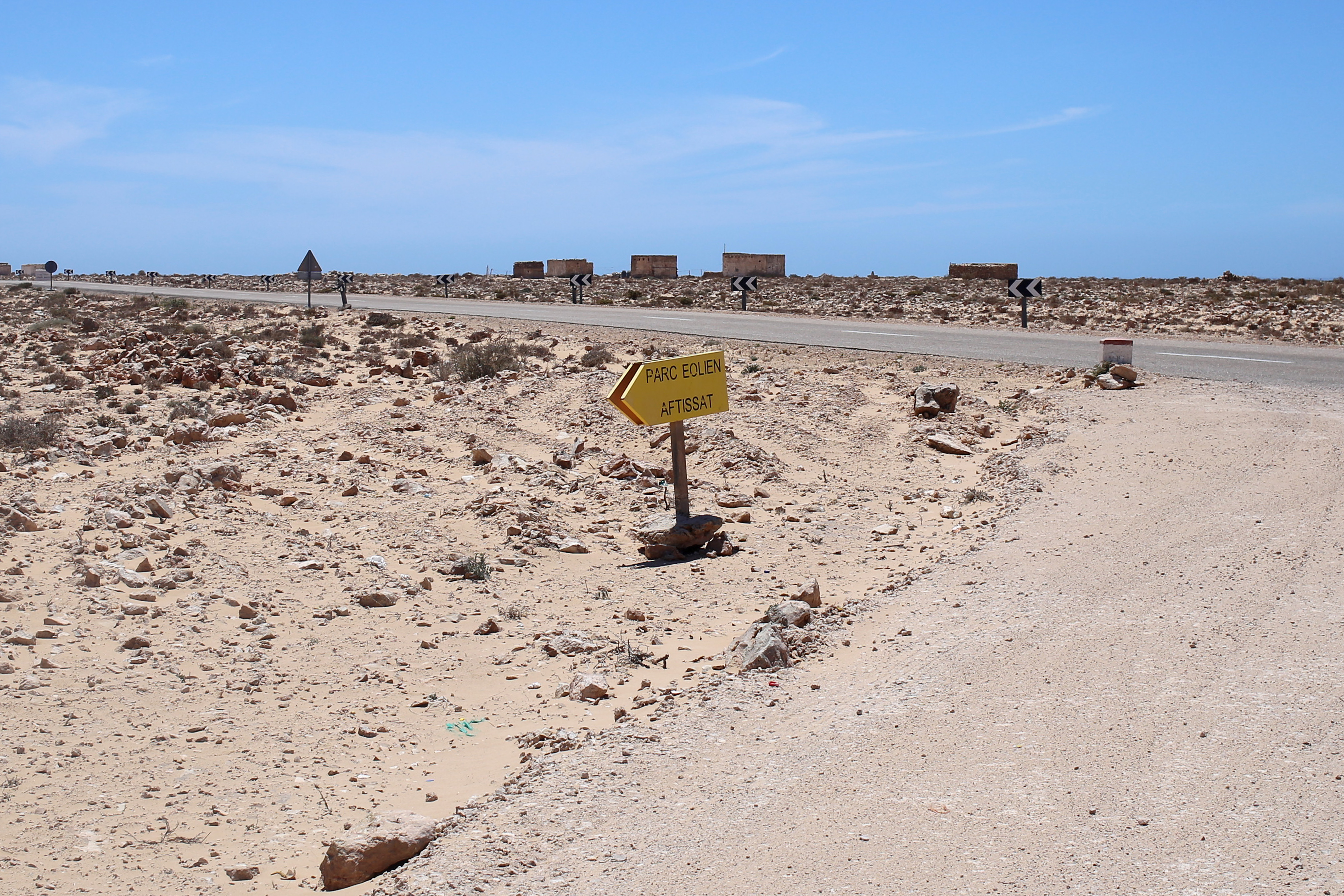
Occupied Western Sahara wind complex expands into Africa's top three
The Moroccan king’s energy company appears to have completed two new phases of the Aftissat wind power complex in occupied Western Sahara.
11 August 2026

Dirty green energy on occupied land
How can it be wrong to develop renewable energy, in a world that is in desperate need for a green transition? In Western Sahara, the problems are numerous.
06 August 2026
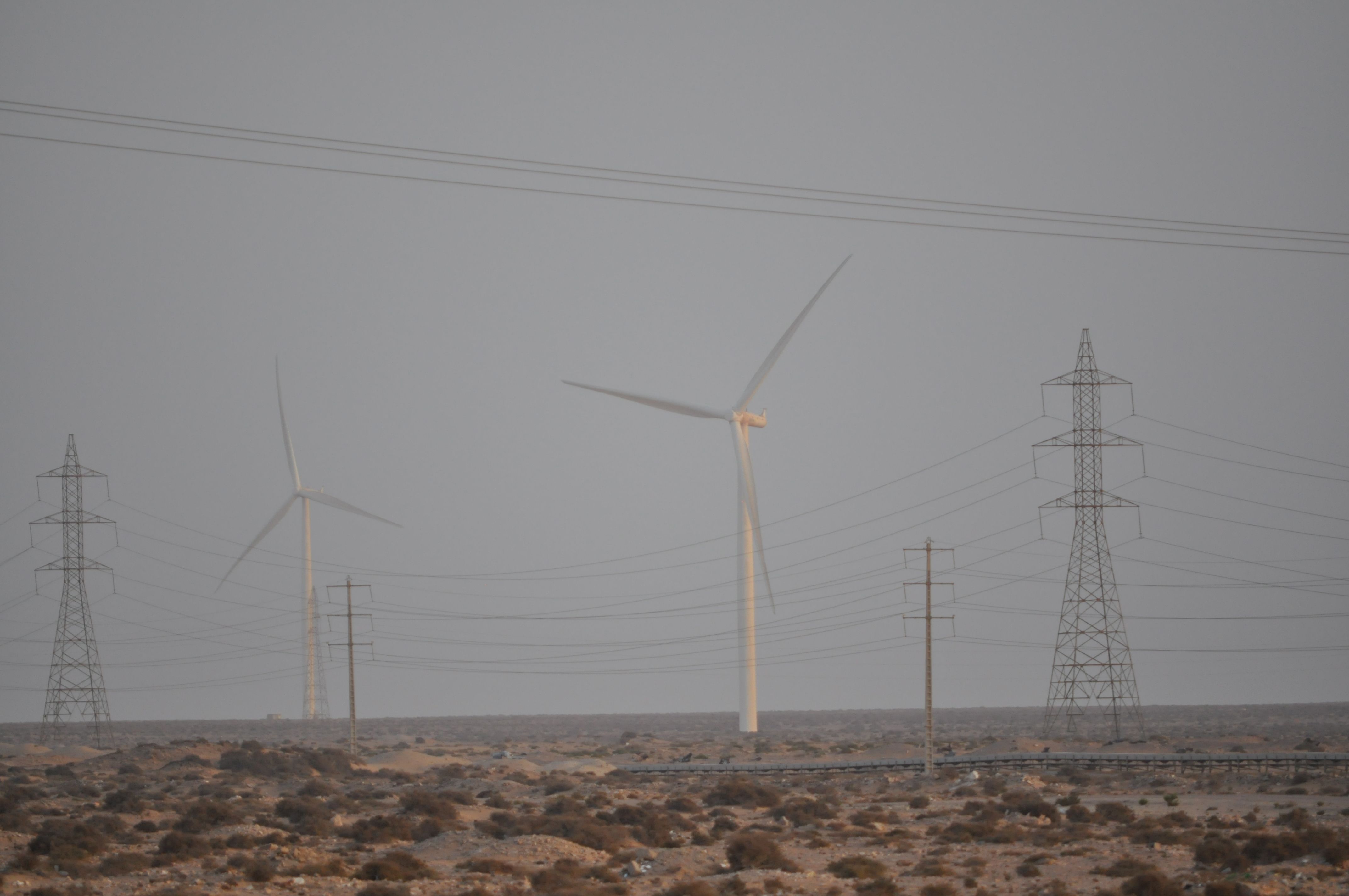
Trump administration bankrolls ammonia project in occupied Western Sahara
The Trump administration has become the first US government to finance a private-sector project in occupied Western Sahara, awarding support to the controversial ORNX green ammonia venture.
03 August 2026
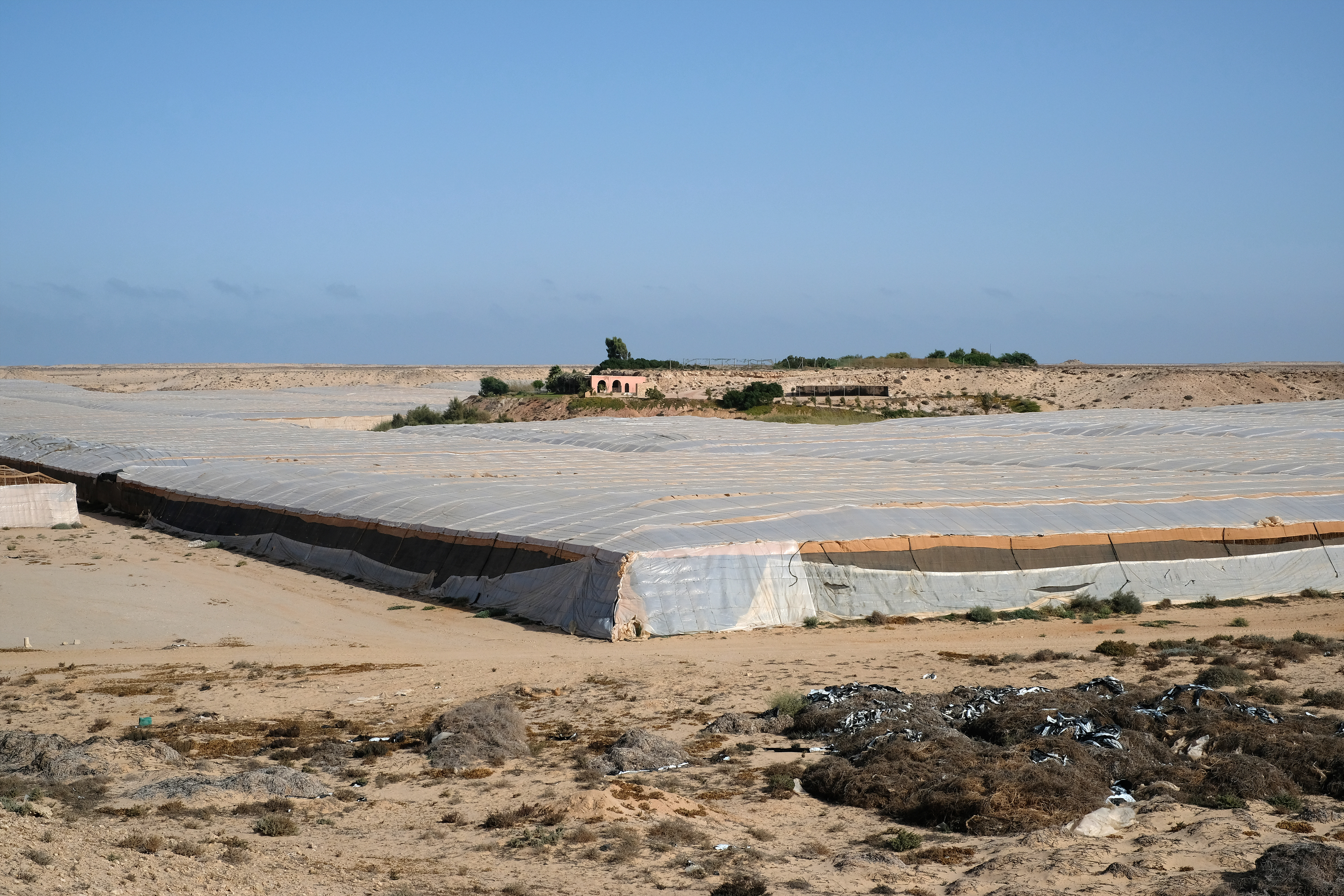
Engie paves way for new farmland in occupied Western Sahara
Morocco has launched another tender to allocate more than 1,000 hectares of agricultural land in occupied Western Sahara, made cultivable through the French company Engie. The expansion comes as the EU considers increasing the unlawful trade with the territory.
16 July 2026