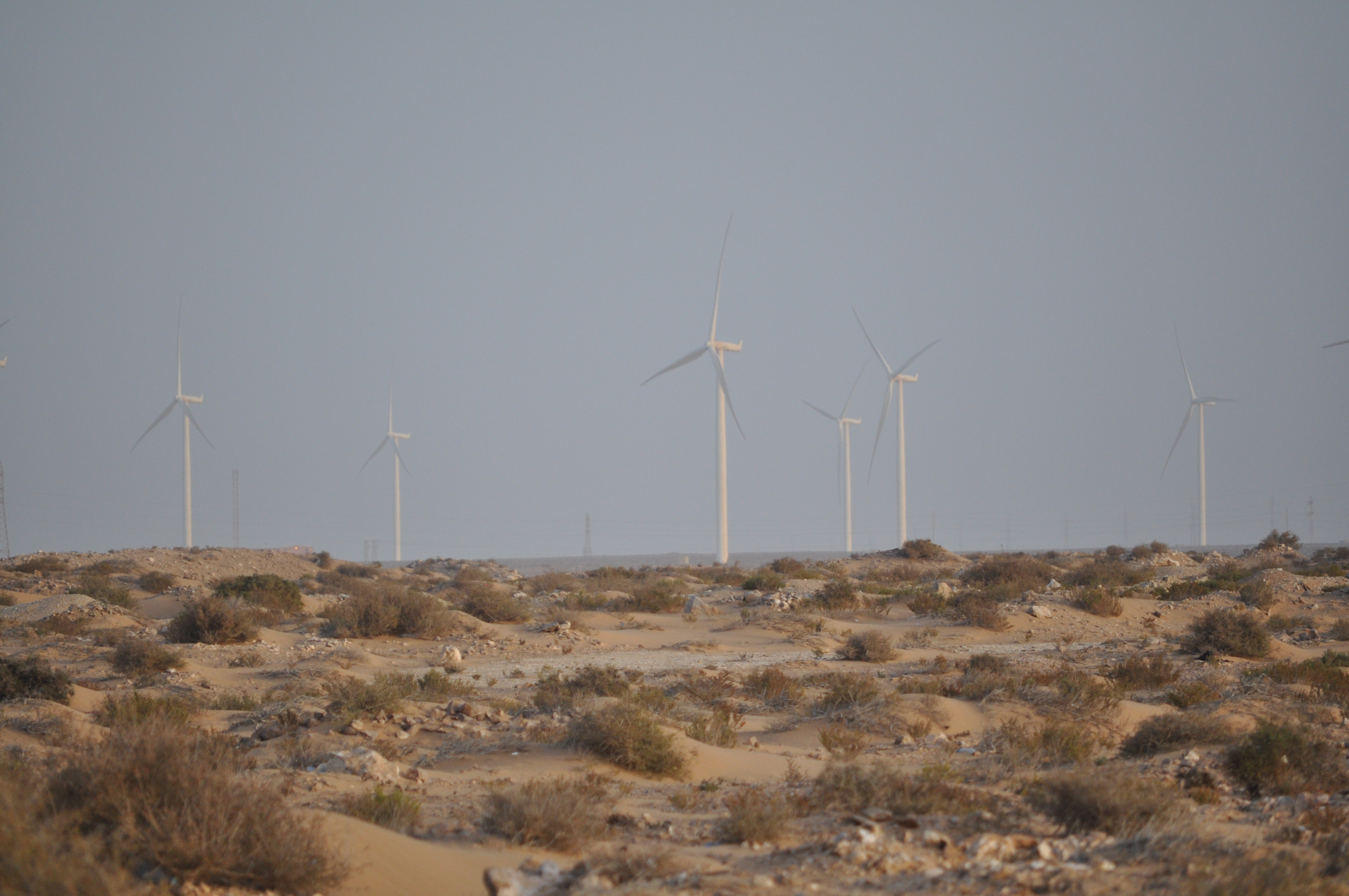
Morocco’s push for green hydrogen has taken a decisive step forward - on territory it does not legally own.
TAQA Morocco and Moeve have announced that they have signed a preliminary land reservation agreement with the Moroccan government as part of the country’s “Morocco Offer” for green hydrogen development.
The agreement moves the TAQA-Moeve consortium further along the project development process, beyond earlier memoranda and expressions of interest. The consortium was among the first group of investors selected by the Moroccan government in March last year to proceed under the green hydrogen programme.
Now, by securing land for industrial use, the agreement enables the companies to move forward with feasibility studies, environmental assessments, and permitting.
Land allocation without legal title
But there’s a fundamental legal problem.
The press release by TAQA explicitly identifies the project site as being located in Dakhla, described as “in the southern regions of Morocco”. (The press release can also be downloaded here.)
Dakhla is, however, situated along the mid-coast of Western Sahara, a territory recognised by the United Nations as non-self-governing and under illegal Moroccan occupation since 1975.
By reserving land in Dakhla, the Moroccan authorities are allocating territory over which they have no legal title. International law is clear that Western Sahara is separate and distinct from Morocco, and that an occupying power has no right to dispose of land or natural resources in the territory without the consent of the Saharawi people.
Western Sahara Resource Watch (WSRW) has previously reported on Morocco’s push to promote enormous green hydrogen and renewable energy projects in Western Sahara, often framed as climate-friendly investments while sidestepping the territory’s legal status. The TAQA–Moeve land reservation agreement represents a further step in embedding foreign corporate actors in Morocco’s occupation through long-term infrastructure development.
Project structure: energy in Western Sahara, production in Morocco?
It is not clear whether the entire project will be located in Western Sahara.
According to the announcement, TAQA Morocco will supply the components for renewable-energy generation infrastructure as part of the project at the Dakhla site, and Moeve will be “leading the e-fuels production and marketing at the Port of Jorf Lasfar”, which is located in Morocco proper.
While it is thus clear that the renewable electricity generation - wind and/or solar - will take place in occupied Western Sahara, the statement is ambiguous as to where the downstream conversion into e-fuels or green ammonia will occur. Production may take place in Western Sahara - which the Moroccan authorities promote as particularly suitable for green hydrogen - or in Morocco itself.
A separation of production stages across the border would allow energy generated on occupied land to be transformed into export products entering international markets as ostensibly “Moroccan” commodities. This risks obscuring the origin of the resources involved and raises serious concerns about traceability, transparency and compliance with international law.
The reference to the port of Jorf Lasfar is also notable given Morocco’s development of the Dakhla Atlantique deepwater port, specifically designed to allow for the berthing of massive vessels, such as large gas carriers required for the cost-effective transport of green hydrogen derivatives. The Dakhla Atlantique port project is scheduled for completion by 2028, with operations expected to begin in 2029, and is being promoted as a cornerstone of Morocco’s energy export ambitions from Western Sahara.
Silence from the companies
The TAQA–Moeve project is part of Morocco’s broader green hydrogen strategy, which the authorities present as a pillar of future economic growth and decarbonisation. Yet in Western Sahara, such projects risk functioning as tools to normalise and entrench the occupation by tying the territory’s land and wind resources into long-term export-oriented energy infrastructure.
TAQA already has a significant footprint in Western Sahara. In 2023, the company, together with Morocco’s royal holding company Nareva, won a contract for one of the largest energy infrastructure projects ever undertaken in the territory: the construction of 1,200 MW of wind power capacity in occupied Western Sahara, and a 1,400 km transmission line to transport the electricity to Morocco proper. That project, like the current green hydrogen plans, was awarded without the consent of the Saharawi people.
WSRW wrote to both TAQA and Moeve (formerly Cepsa) in July 2025, asking them to clarify whether their envisaged project would be implemented north or south of the internationally recognised border between Morocco and Western Sahara. Neither company has responded.
“It is deeply troubling that these firms are advancing a project that relies on land in occupied Western Sahara without addressing the territory’s legal status or the rights of its people,” says Sara Eyckmans from WSRW. “By accepting land from an occupying power with no legal title, companies are not only taking legal risks - they are actively contributing to the normalisation of an occupation condemned by international law.”
WSRW reiterates that companies involved in renewable energy, hydrogen and e-fuels must not treat Western Sahara as an extension of Morocco. Any project relying on land or resources in the territory without the consent of the Saharawi people violates international law, regardless of whether parts of the value chain are located elsewhere.
In March 2025, eight UN Special Rapporteurs issued a joint statement urging Morocco to halt the demolition of Saharawi homes as it expands its green energy projects in the territory. The statement followed renewed concerns about systemic repression of Saharawi voices, including journalists, activists, and human rights defenders.
Since you're here....
WSRW’s work is being read and used more than ever. We work totally independently and to a large extent voluntarily. Our work takes time, dedication and diligence. But we do it because we believe it matters – and we hope you do too. We look for more monthly donors to support our work. If you'd like to contribute to our work – 3€, 5€, 8€ monthly… what you can spare – the future of WSRW would be much more secure. You can set up a monthly donation to WSRW quickly here.
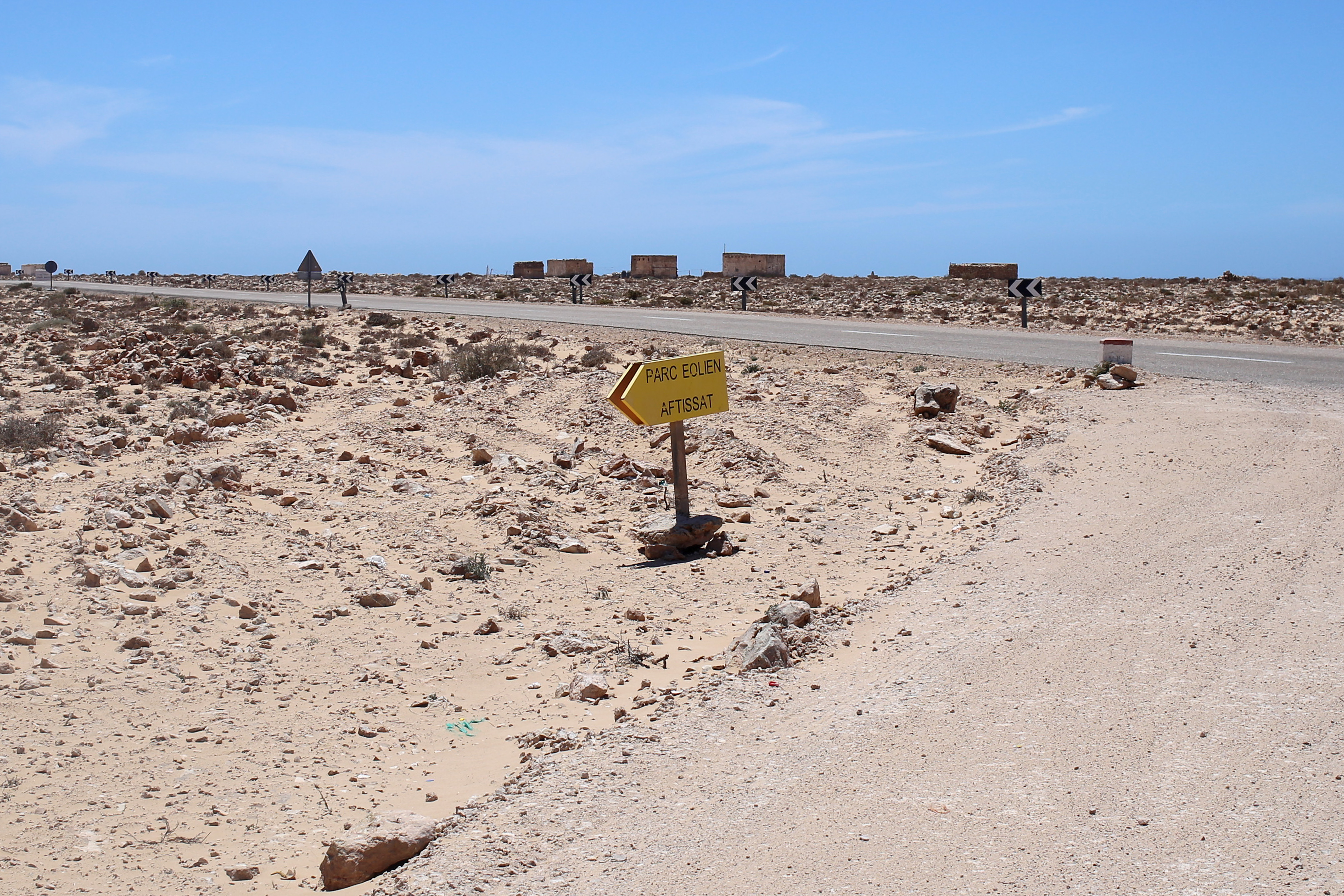
Occupied Western Sahara wind complex expands into Africa's top three
The Moroccan king’s energy company appears to have completed two new phases of the Aftissat wind power complex in occupied Western Sahara.

Dirty green energy on occupied land
How can it be wrong to develop renewable energy, in a world that is in desperate need for a green transition? In Western Sahara, the problems are numerous.
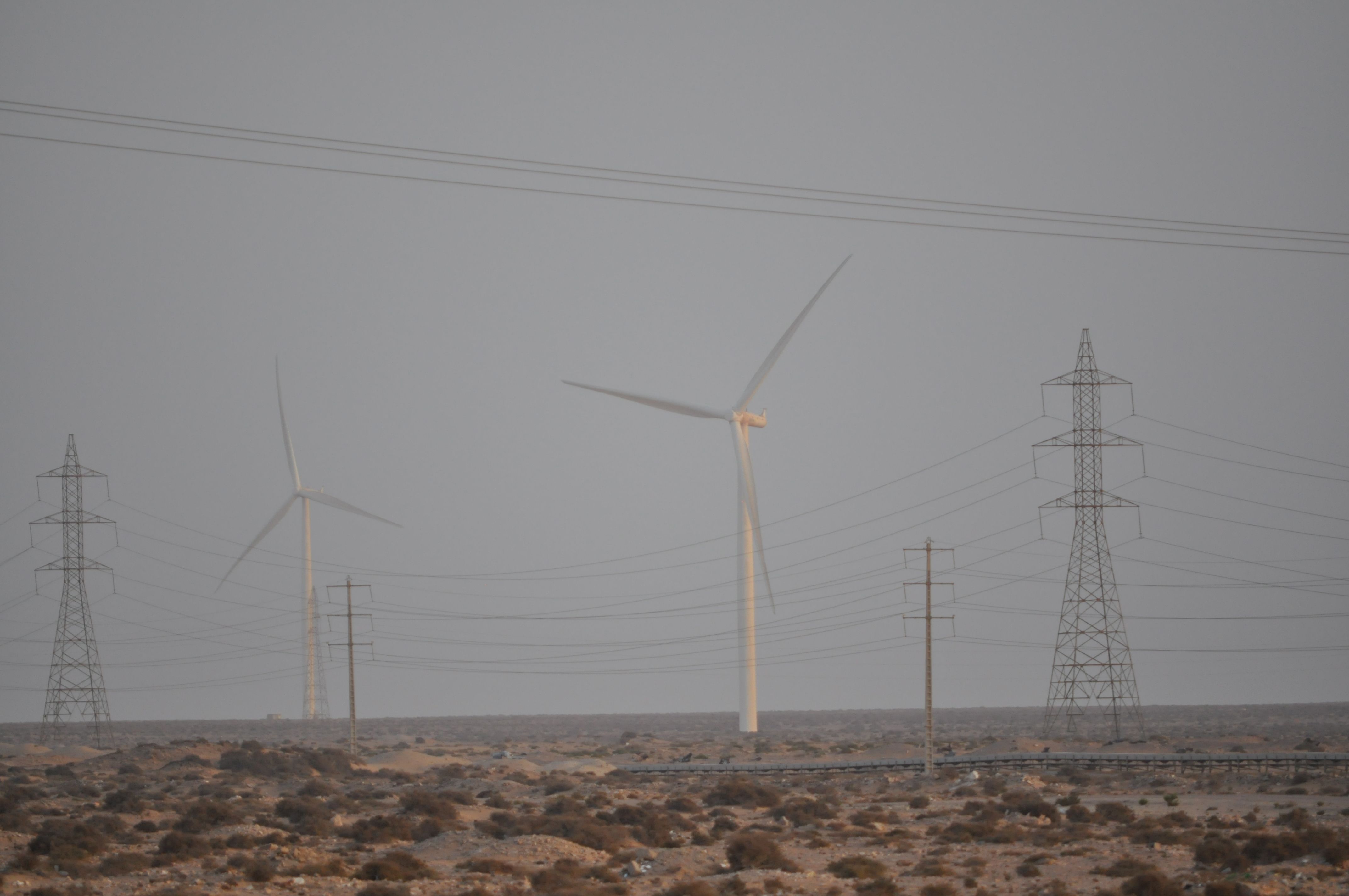
Trump administration bankrolls ammonia project in occupied Western Sahara
The Trump administration has become the first US government to finance a private-sector project in occupied Western Sahara, awarding support to the controversial ORNX green ammonia venture.
Engie paves way for new farmland in occupied Western Sahara
Morocco has launched another tender to allocate more than 1,000 hectares of agricultural land in occupied Western Sahara, made cultivable through the French company Engie. The expansion comes as the EU considers increasing the unlawful trade with the territory.