
During a press conference last week, Polisario invited the Union to conversations on continuation of fisheries offshore Western Sahara.
Photo : Moroccan police officers near a port in occupied Western Sahara.
The representative of Polisario for the EU, Oubi Bouchraya Bachir, annnounced on 1 October during a press conference in Madrid, that Poliario is ready “to help Spanish fishermen, but in the framework established during the latest legal decision” - referring to the landmark ruling by the EU Court of Justice on 29 September.
In its decision, the Court annulled the trade and fisheries agreements between the Union and Morocco, as they were applied to Western Sahara. The court concluded that the people of the territory, through its UN representative Polisario, had not consented to the extension of the two agreements.
Spain - still considered the legal coloial power in Western Sahara - har a large interest in the EU's fisheries agreement with Morocco. 91 out of the 128 EU vessels that are authorised to fish under the agreement are Spanish. Following yesterday's decision, the governor of Andalucia - one of the principal fisheries regions in Spain - called on the Spanish government to appeal the decision.
The European institutions have 2 month and 10 days to file an appeal. Observer etimate that it is little likely that the Court will reach another conclusion than the one concluded yesterday.
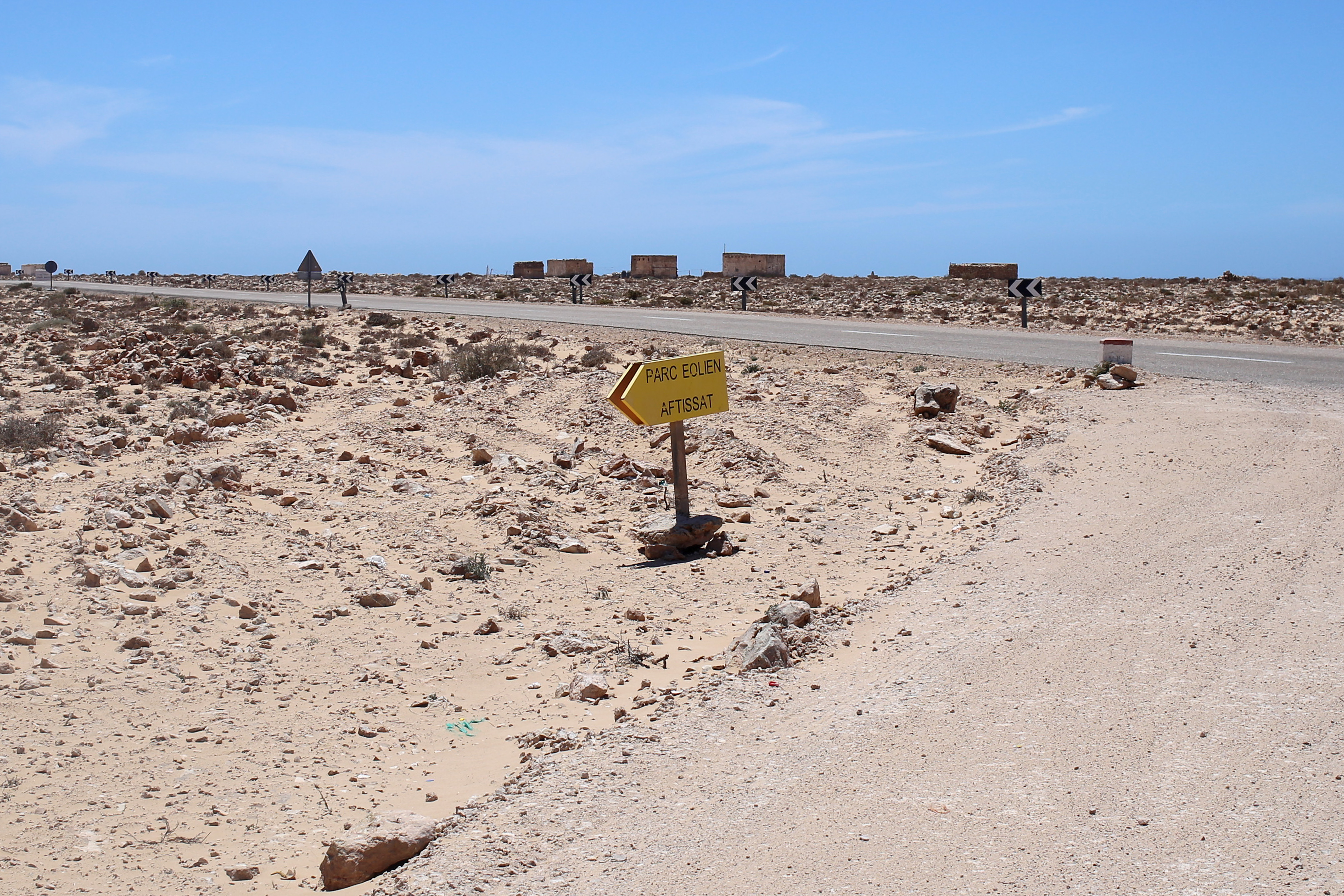
Occupied Western Sahara wind complex expands into Africa's top three
The Moroccan king’s energy company appears to have completed two new phases of the Aftissat wind power complex in occupied Western Sahara.

Dirty green energy on occupied land
How can it be wrong to develop renewable energy, in a world that is in desperate need for a green transition? In Western Sahara, the problems are numerous.
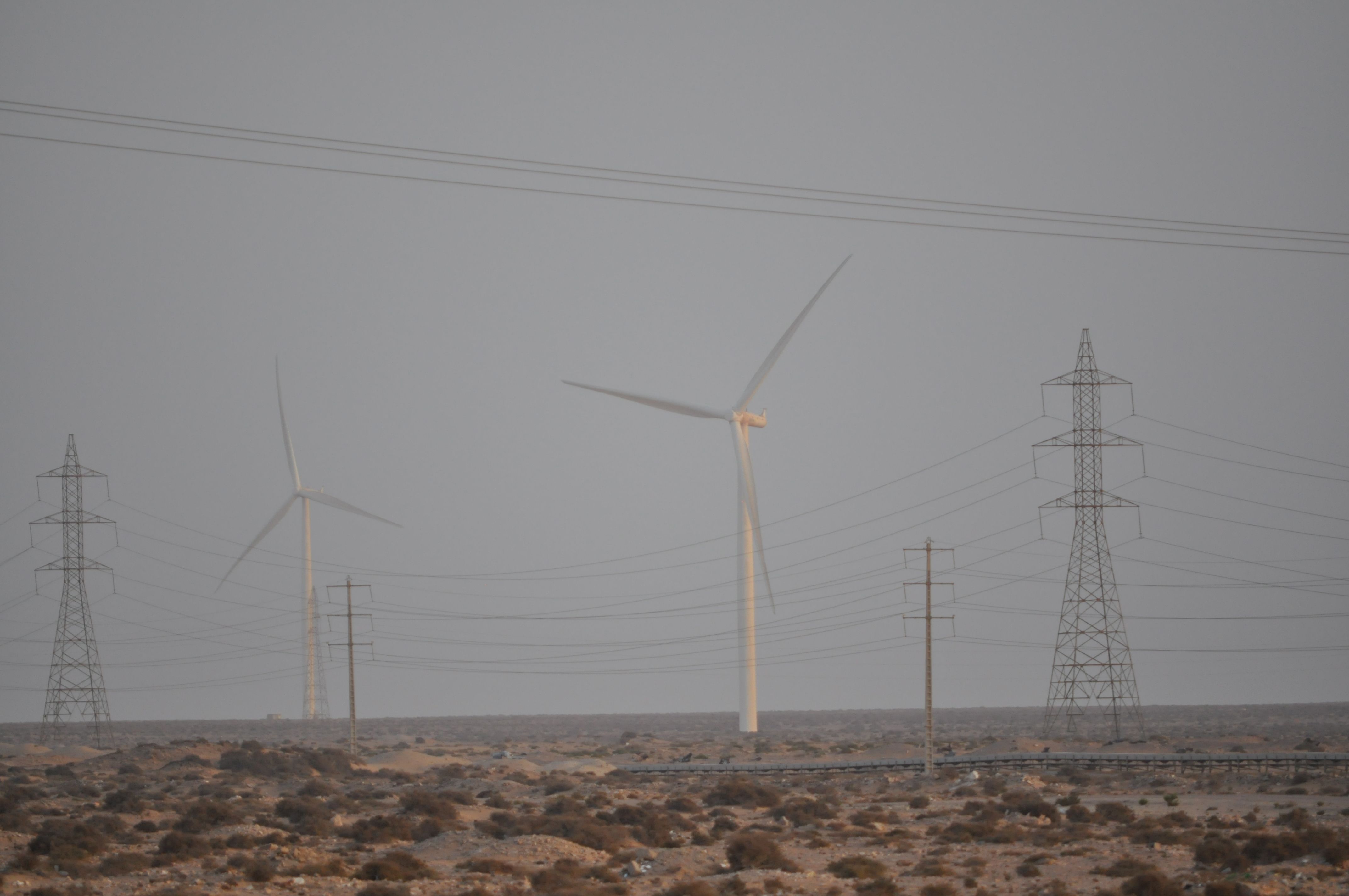
Trump administration bankrolls ammonia project in occupied Western Sahara
The Trump administration has become the first US government to finance a private-sector project in occupied Western Sahara, awarding support to the controversial ORNX green ammonia venture.
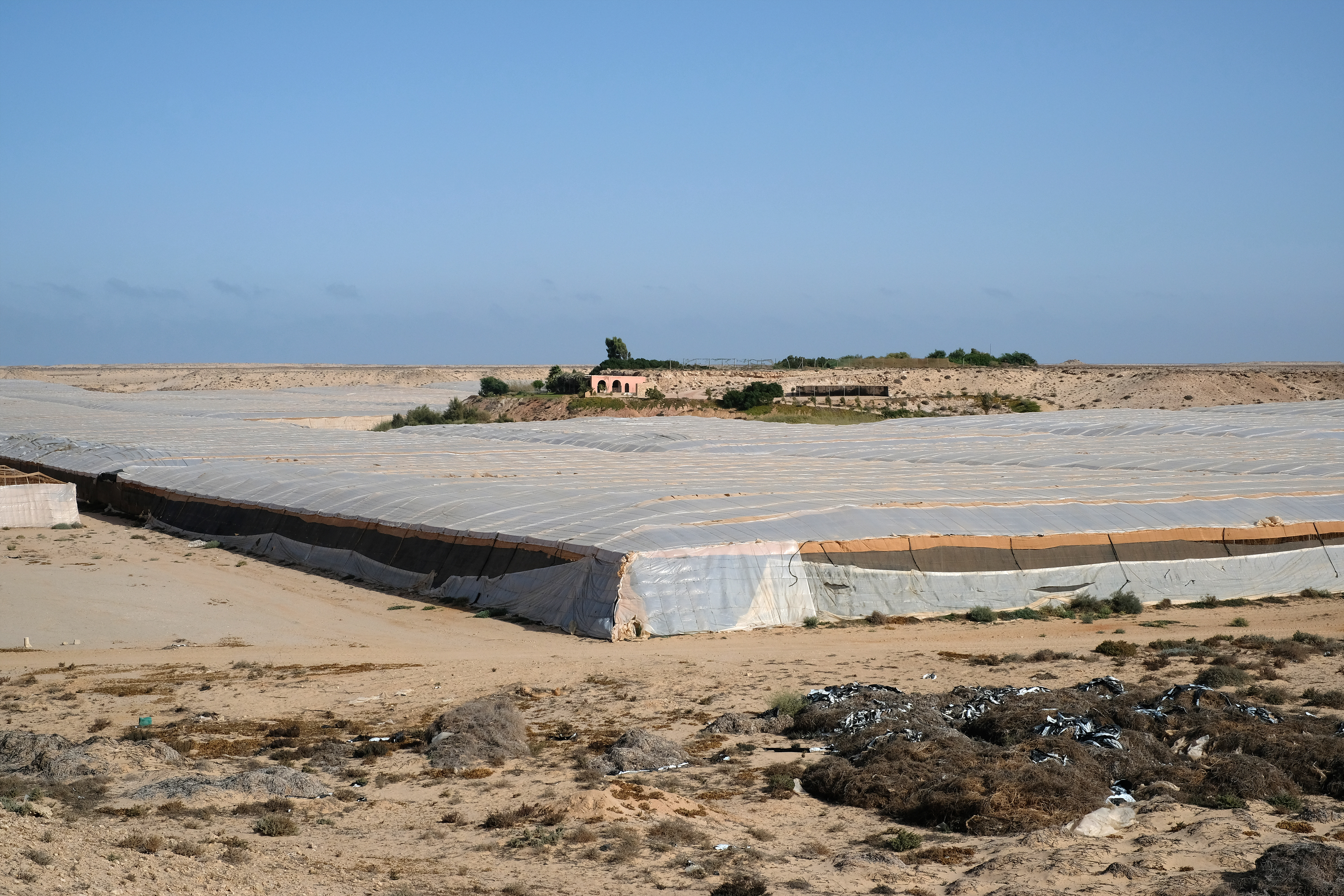
Engie paves way for new farmland in occupied Western Sahara
Morocco has launched another tender to allocate more than 1,000 hectares of agricultural land in occupied Western Sahara, made cultivable through the French company Engie. The expansion comes as the EU considers increasing the unlawful trade with the territory.