The European Commission stated in a letter to WSRW on 23 June 2010 that their fisheries in Western Sahara is legal. In doing so, the Commission has severely misrepresented a UN legal opinion from 2002. WSRW objects to the EU misuse of the UN document.
The letter from the European Commission below - which can also be downloaded here - is a reply to a letter from WSRW to the Commission of 27 May 2010.
A reply from WSRW to the European Commission regarding the misuse of the UN document, was sent on 1 July 2010.
See the UN Legal Opinion from 2002 here.
Brussels
23 June 2010
MARE-B-3/AMF D(2010)
Subject: Fishery Partnership Agreement EU/Morocco
Dear Ms Eyckmans,
Thank you for your letter of 27 May 2010 on the Fishery Partnership Agreement between the EU and Morocco to Commissioner Damanaki, who asked me to reply on her behalf.
Regarding the compliance of the current Agreement with international law, and the legal opinion of the European Parliament mentioned in your letter, we would like to reiterate that in his letter of 2002, Mr. Corell, concluded that (economic) activities in a Non-Self-Governing Territory by an administering Power are illegal “only if conducted in disregard of the needs and interests of the people of that Territory”. This opinion was taken into consideration with negotiating the agreement in 2006.
I would like to confirm that the position of Mr. Landaburu, Head of the European Delegation to Morocco, reflects the position of the European Commission, highlighted above.
Finally, as your question on our views on the report on the impact of the Fishery Partnership Agreement on the Western Sahara, I would like to confirm that the European Commission has not received any such report and therefore cannot comment on it.
In the meantime, the Commission remains of the view that the activities implemented in the framework of the Agreement in the Western Sahara may have a positive effect on the Western Sahara economy, for example through landing of catches, embarkation of local seamen, and use of local ports,
Best regards,
Pierre AMILHAT
Director
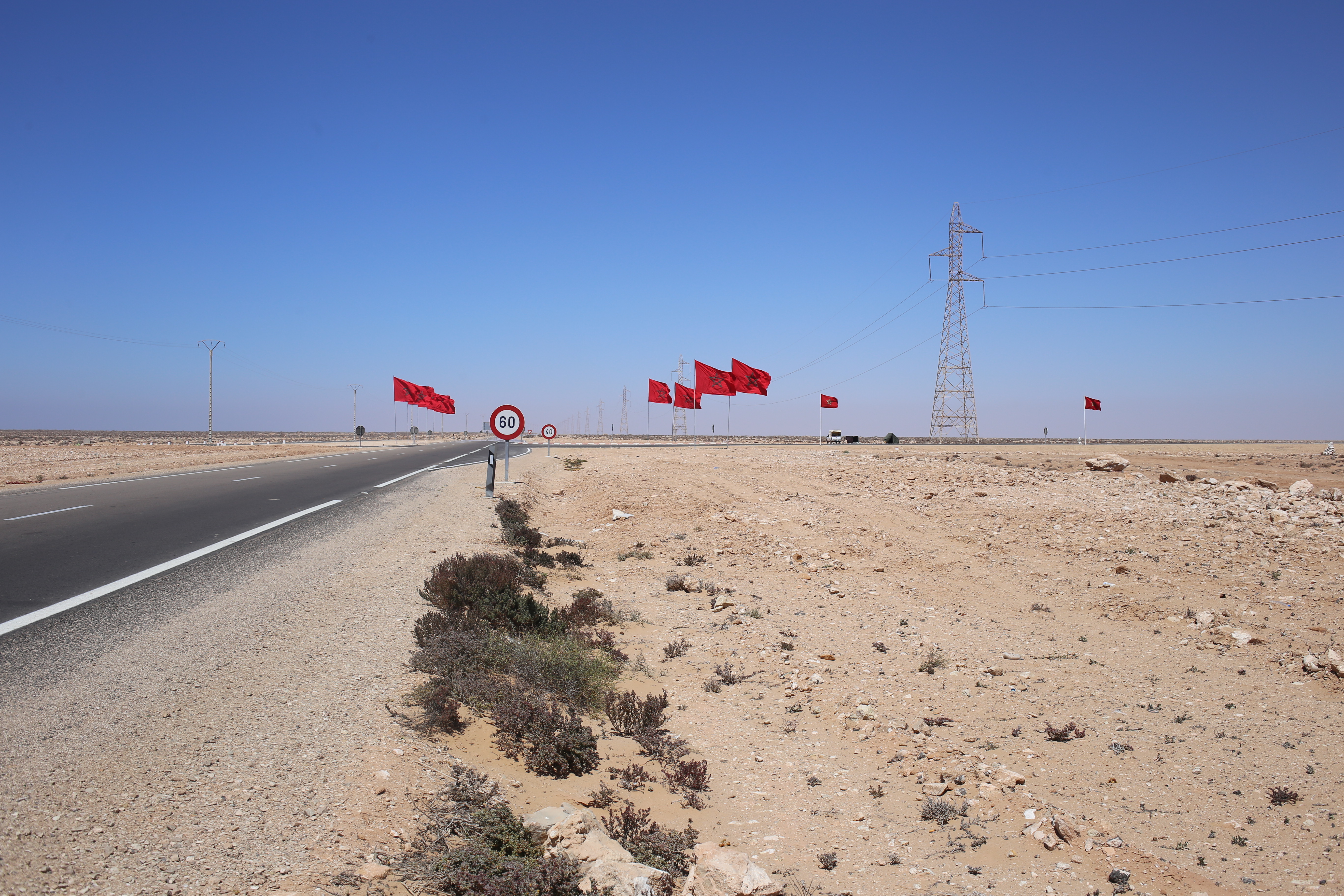
Moroccan budget: Four hydrogen projects in occupied Western Sahara
Morocco’s Finance Bill for 2027 reveals that four out of six planned green hydrogen projects are located in occupied Western Sahara.
Swedish hydrogen company embraces Morocco’s position on Western Sahara
S2H2+Bm has publicly welcomed Morocco’s annexation of Western Sahara, while refusing to clarify whether its planned green hydrogen investments will take place in the occupied territory.
Guterres reminds Morocco: Self-determination still stands
In one of his final statements as UN Secretary-General, António Guterres has made an unequivocal point: the end of MINURSO does not extinguish the inalienable right of the Saharawi people to self-determination. It is a reminder that Morocco cannot declare the Western Sahara question closed simply because the UN mission is leaving.
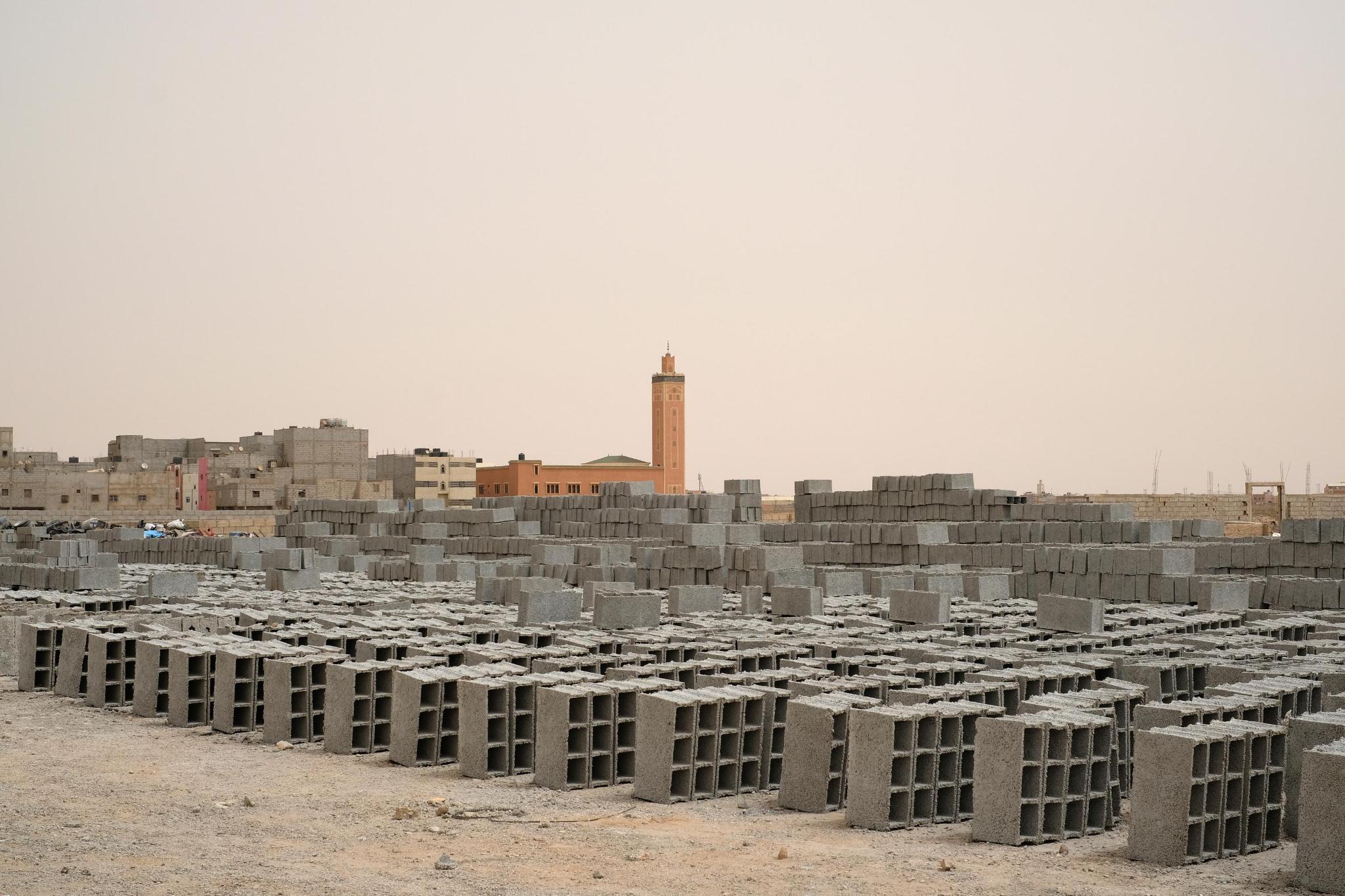
Morocco allocates vast tracts of occupied Western Sahara
Moroccan budget documents released in late October reveal that the kingdom allocated tens of thousands of hectares of land in occupied Western Sahara to investment projects.