Western Sahara Resource Watch calls on the UN to address the accelerating exploitation of the territory’s natural resources - and prevent it from becoming an even greater obstacle to self-determination.
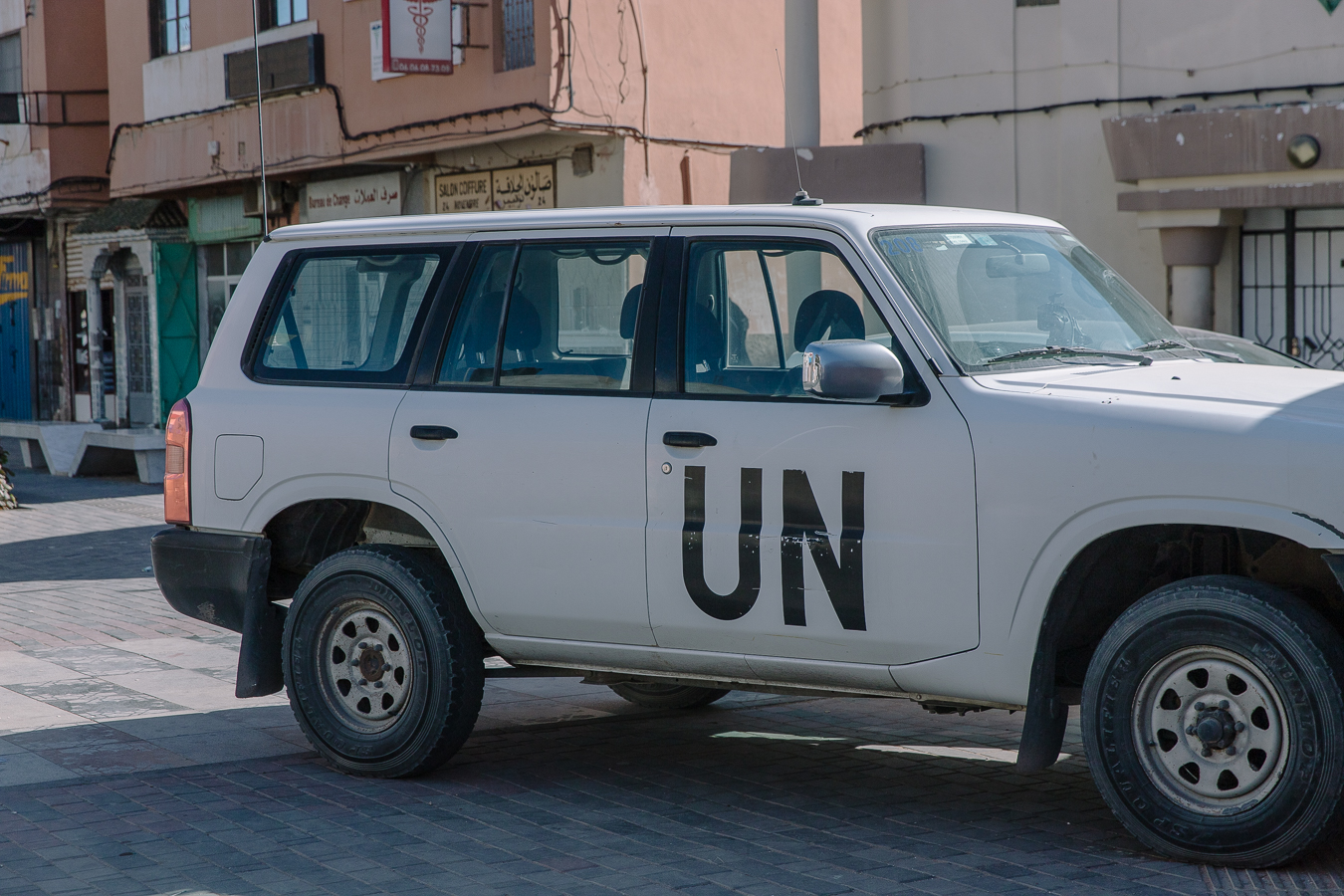
Photo of a UN vehicle in El Aaiún, occupied Western Sahara. By Maria Klenner.
For more than two decades, Western Sahara Resource Watch (WSRW) has documented the exploitation of Western Sahara’s natural resources. Ahead of the UN Secretary-General’s forthcoming report and the Security Council’s renewal of the MINURSO mandate, WSRW has written to the UN Secretary-General and Security Council members urging them to bring the resource question firmly into the UN’s political process.
WSRW’s concern is not simply what might happen in the future. The economic and physical landscape of Western Sahara is already being transformed. Fisheries, large-scale agricultural projects, phosphate exports, renewable energy and emerging green hydrogen plans are creating infrastructure, commercial interests and economic dependencies in a territory whose decolonisation is pending.
In 2024, the waters off Western Sahara accounted for more than 73% of Morocco’s coastal and artisanal catch by quantity and 61.5% by value. WSRW recorded around 2.02 million tonnes of phosphate exports from Western Sahara in 2025 - the highest annual volume it has recorded since 2014. At the same time, agricultural and renewable-energy developments are expanding, with projects and infrastructure designed to serve long-term commercial and industrial activity.
The result is a growing risk that facts created through resource exploitation and economic development will become increasingly difficult to disentangle from the eventual political settlement.
“How can the political process remain meaningful if the economic and physical realities on the ground continue to be altered in ways that may be difficult to reverse before the people of the Territory have exercised their right to self-determination?”, WSRW’s letter asks.
Download WSRW’s full letter to the UN Secretary-General and Security Council members here.
The UN cannot wait until these developments have become a complete fait accompli. The longer resource exploitation and associated infrastructure proceed without the consent of the people of the territory, the greater the risk that a future settlement will have to accommodate economic and physical realities that were created while the political process remained deadlocked.
This is also why WSRW is calling for a practical mechanism to preserve the value of Western Sahara’s natural resources pending a lawful settlement.
Rather than allowing resource revenues to continue flowing as though the territory’s status were settled, WSRW proposes that revenues generated from natural-resource exploitation be placed in a separately administered, transparent escrow or trust mechanism. Such a mechanism would not prejudge the eventual status of the territory or determine who should ultimately receive the proceeds. Instead, it would preserve their value until a settlement consistent with international law and the right to self-determination determines their lawful disposition.
The letter argues: “A mechanism that preserves these revenues pending a lawful settlement could help ensure that the continued exploitation of Western Sahara’s resources does not make the status quo financially preferable to reaching a settlement.”
WSRW is also urging the UN to systematically report on the scale, ownership, destination and value of resource-related activities in Western Sahara, and to address the continued lack of access for the Office of the UN High Commissioner for Human Rights.
Natural resources are therefore not a peripheral issue to the peace process. They are part of the conditions in which self-determination must eventually be exercised. The UN has a responsibility to ensure that the Territory’s economic transformation does not progressively narrow the choices available to its people - or leave a future settlement facing facts on the ground that have become too entrenched to undo.
The objective is not to freeze Western Sahara in time. It is to ensure that economic development does not silently become a substitute for resolving its political status.
Since you're here....
WSRW’s work is being read and used more than ever. We work totally independently and to a large extent voluntarily. Our work takes time, dedication and diligence. But we do it because we believe it matters – and we hope you do too. We look for more monthly donors to support our work. If you'd like to contribute to our work – 3€, 5€, 8€ monthly… what you can spare – the future of WSRW would be much more secure. You can set up a monthly donation to WSRW quickly here.
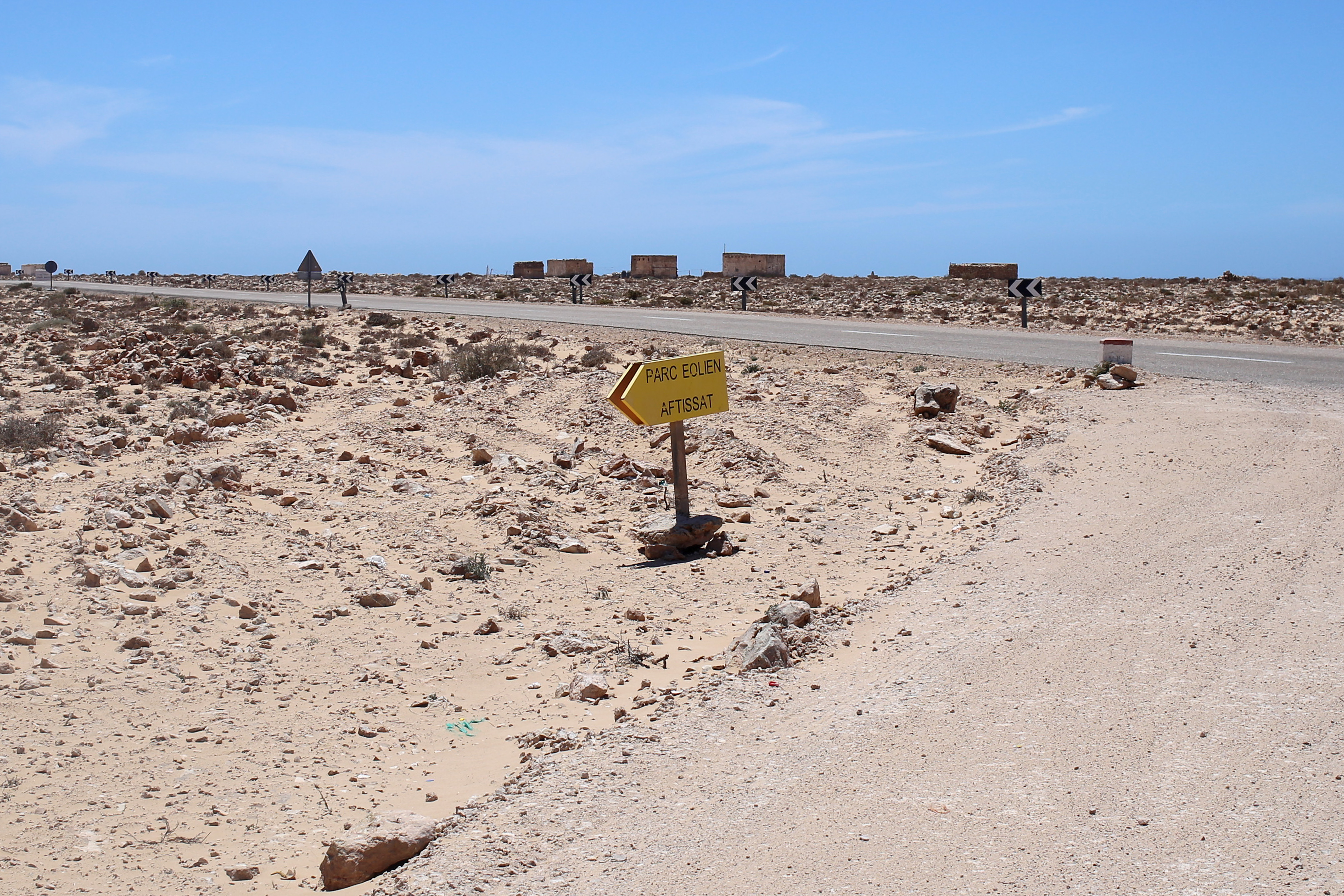
Occupied Western Sahara wind complex expands into Africa's top three
The Moroccan king’s energy company appears to have completed two new phases of the Aftissat wind power complex in occupied Western Sahara.

Dirty green energy on occupied land
How can it be wrong to develop renewable energy, in a world that is in desperate need for a green transition? In Western Sahara, the problems are numerous.
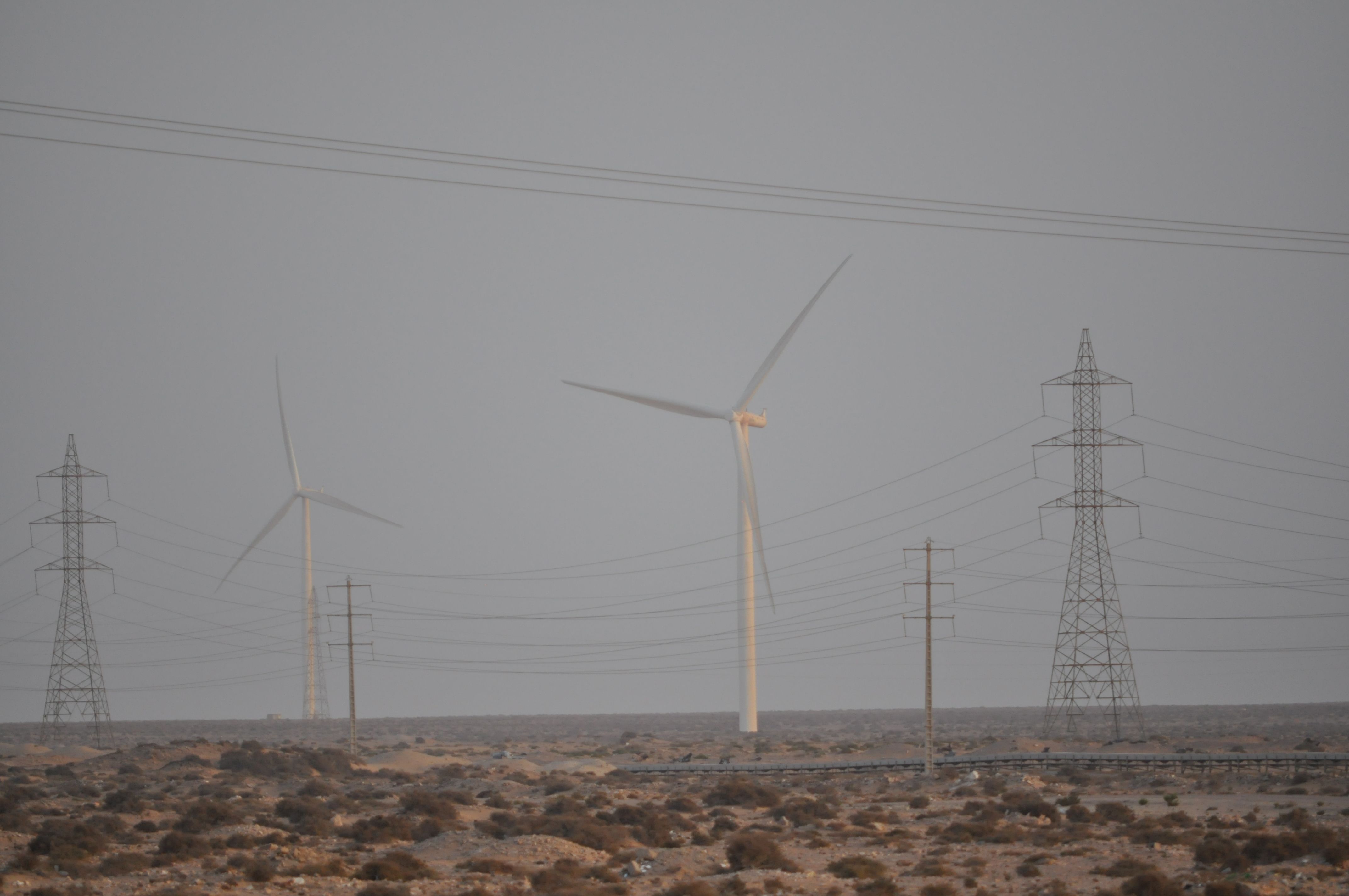
Trump administration bankrolls ammonia project in occupied Western Sahara
The Trump administration has become the first US government to finance a private-sector project in occupied Western Sahara, awarding support to the controversial ORNX green ammonia venture.
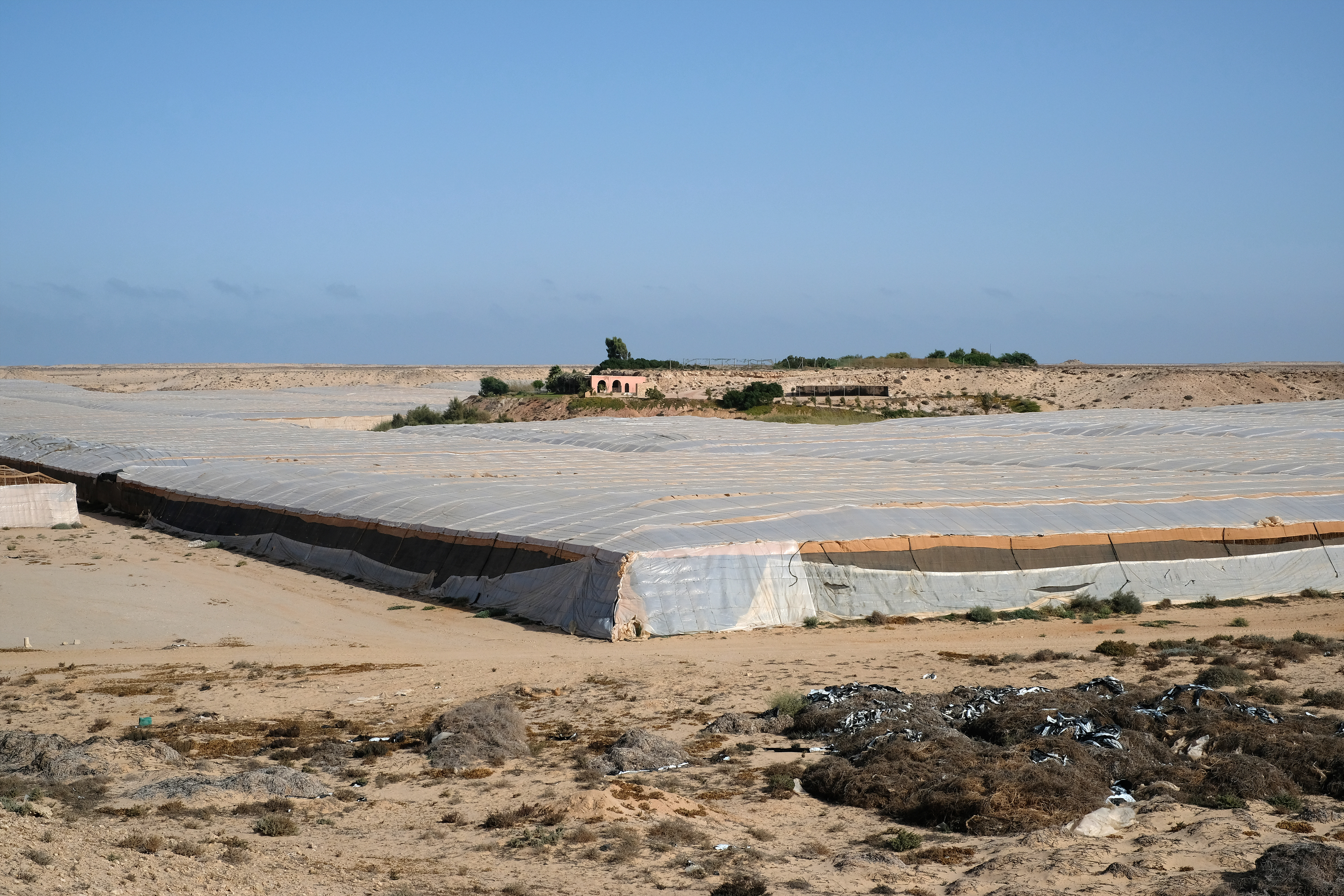
Engie paves way for new farmland in occupied Western Sahara
Morocco has launched another tender to allocate more than 1,000 hectares of agricultural land in occupied Western Sahara, made cultivable through the French company Engie. The expansion comes as the EU considers increasing the unlawful trade with the territory.