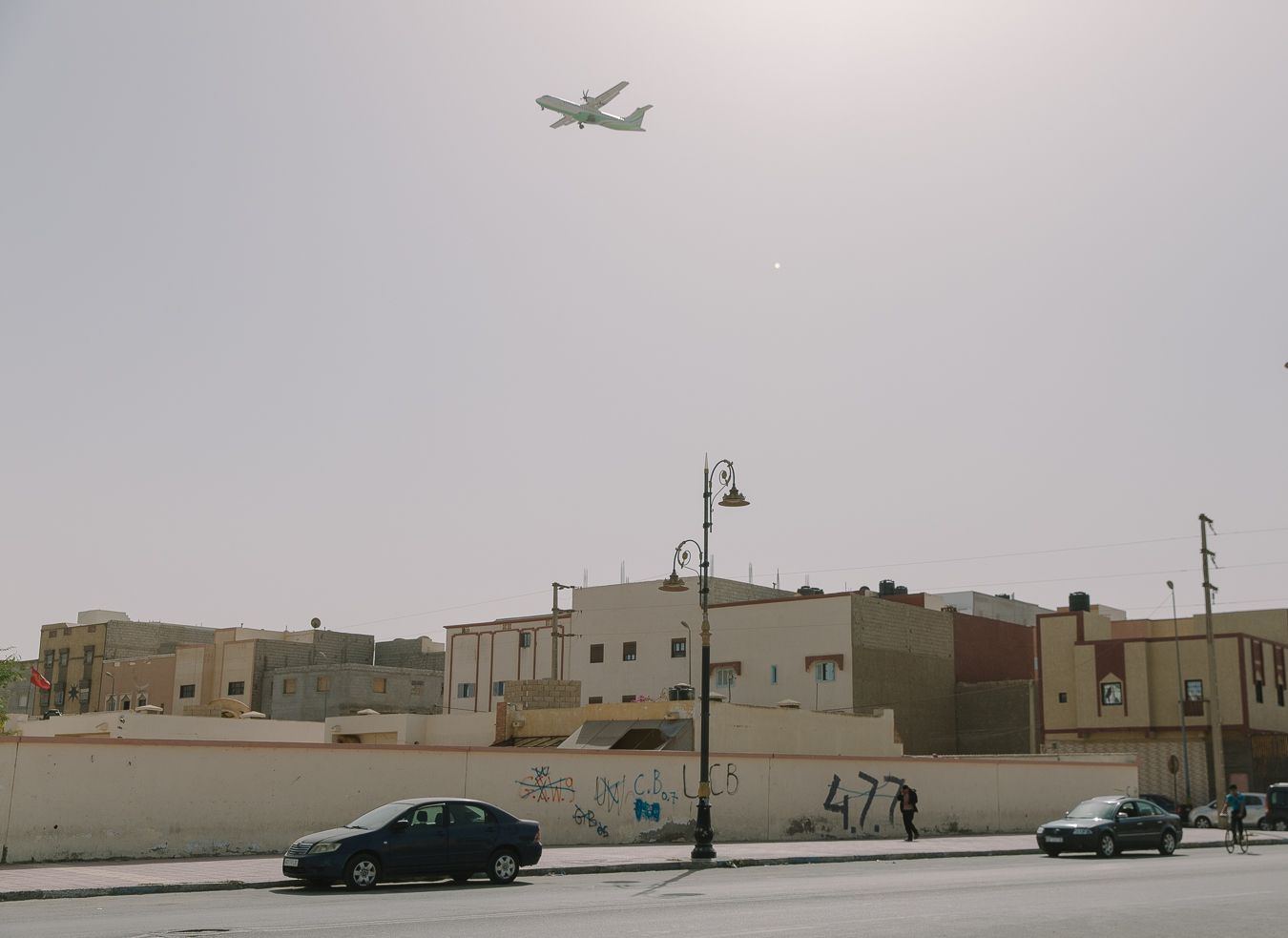
The law is settled, but the practice is not. The recently adapted aviation deal excludes Western Sahara - yet the European Commission still tolerates EU airlines operating there regardless.
Caption: A Binter Airways aircraft after takeoff at Dakhla airport, heading from occupied Western Sahara to the Canary Islands, 2024. Photo by Maria Klenner.
On 8 July 2026, the European Parliament approved the conclusion of the protocol adapting the EU-Morocco Euro-Mediterranean Aviation Agreement following Croatia's accession to the European Union.
The revised agreement was adopted by 625 votes in favour, 16 against and 20 abstentions.
The protocol is of a purely technical nature, updating the agreement to reflect Croatia's accession to the EU. It does not amend the territorial scope of the aviation agreement.
The vote reflected differing views on how the EU should address the practical consequences of the agreement. Western Sahara Resource Watch (WSRW) understands that many MEPs supported the protocol precisely because it merely adapts the existing agreement following Croatia’s accession and, in line with EU case law and the Commission’s repeated statements, does not extend to Western Sahara.
Among the few that voted against, some argued that although the agreement itself does not apply to the territory, the Commission has failed to stop EU airlines from operating flights to occupied Western Sahara outside the legal framework of the agreement, creating an unacceptable situation under international and EU law.
The Court of Justice of the European Union (CJEU) has ruled that EU-Morocco agreements can only apply within Morocco's internationally recognised borders unless the people of Western Sahara have given their consent. On that basis, the Court has concluded in 2018 that the aviation agreement cannot be interpreted as extending to the territory of Western Sahara.
The European Commission has repeatedly confirmed this interpretation and has informed EU carriers that per EU case law, the EU-Morocco aviation agreement “does not apply to routes from the territory of an EU Member State to the territory of the Western Sahara”.
Despite this clear legal position, several European airlines continue to operate routes to airports in occupied Western Sahara. Ryanair, for example, has launched flights connecting EU airports with Dakhla, even though those services fall outside the scope of the EU-Morocco aviation framework. Other than Ryanair, three other companies have operated flights into occupied Western Sahara in recent years, in addition to the Moroccan state-owned Royal Air Maroc: Transavia (a subsidiary of KLM-Air France), Air Arabia (UAE) and Binter Airlines (Spain). WSRW has written to KLM-Air France and Air Arabia, without obtaining a response.
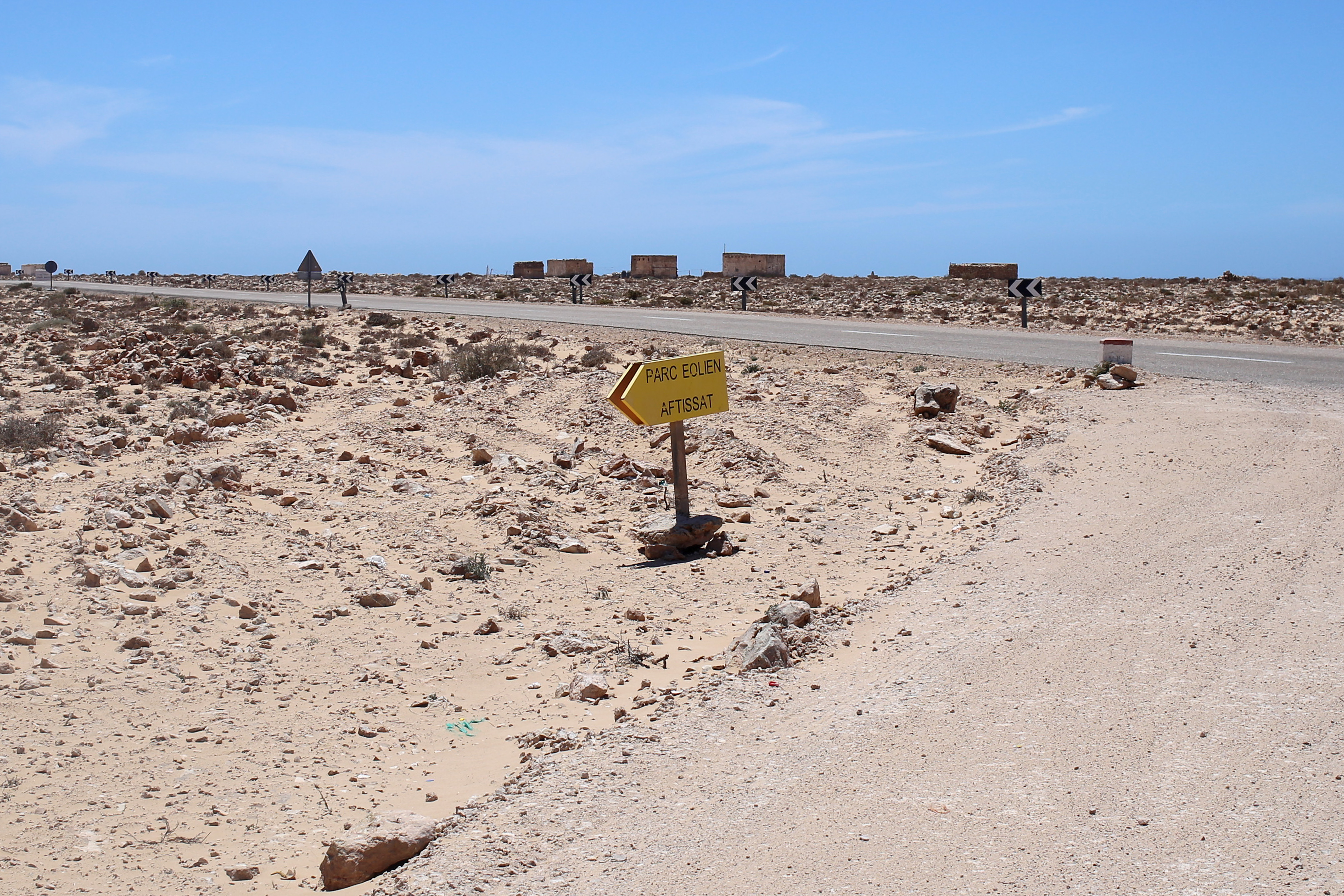
Occupied Western Sahara wind complex expands into Africa's top three
The Moroccan king’s energy company appears to have completed two new phases of the Aftissat wind power complex in occupied Western Sahara.

Dirty green energy on occupied land
How can it be wrong to develop renewable energy, in a world that is in desperate need for a green transition? In Western Sahara, the problems are numerous.
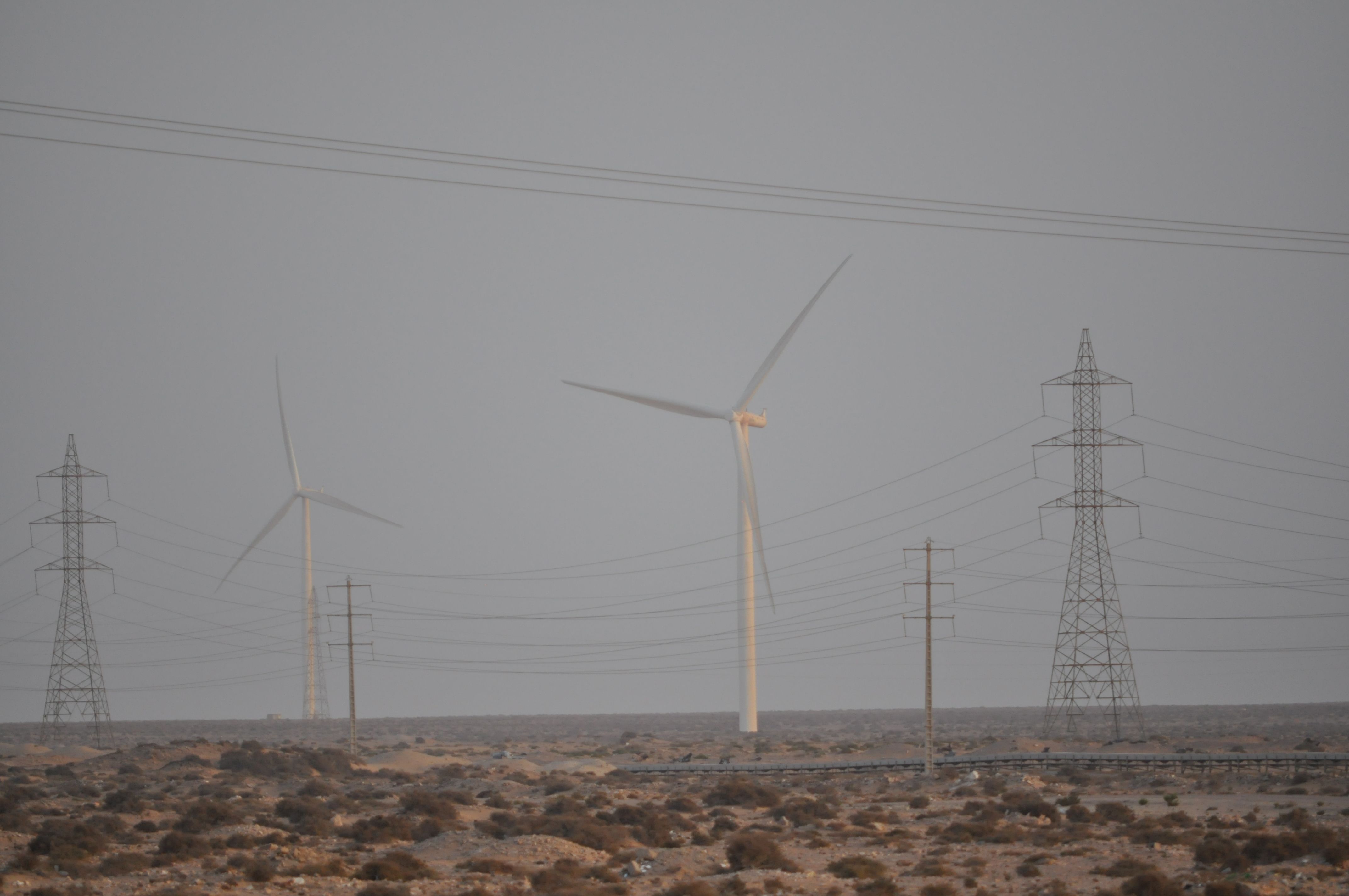
Trump administration bankrolls ammonia project in occupied Western Sahara
The Trump administration has become the first US government to finance a private-sector project in occupied Western Sahara, awarding support to the controversial ORNX green ammonia venture.
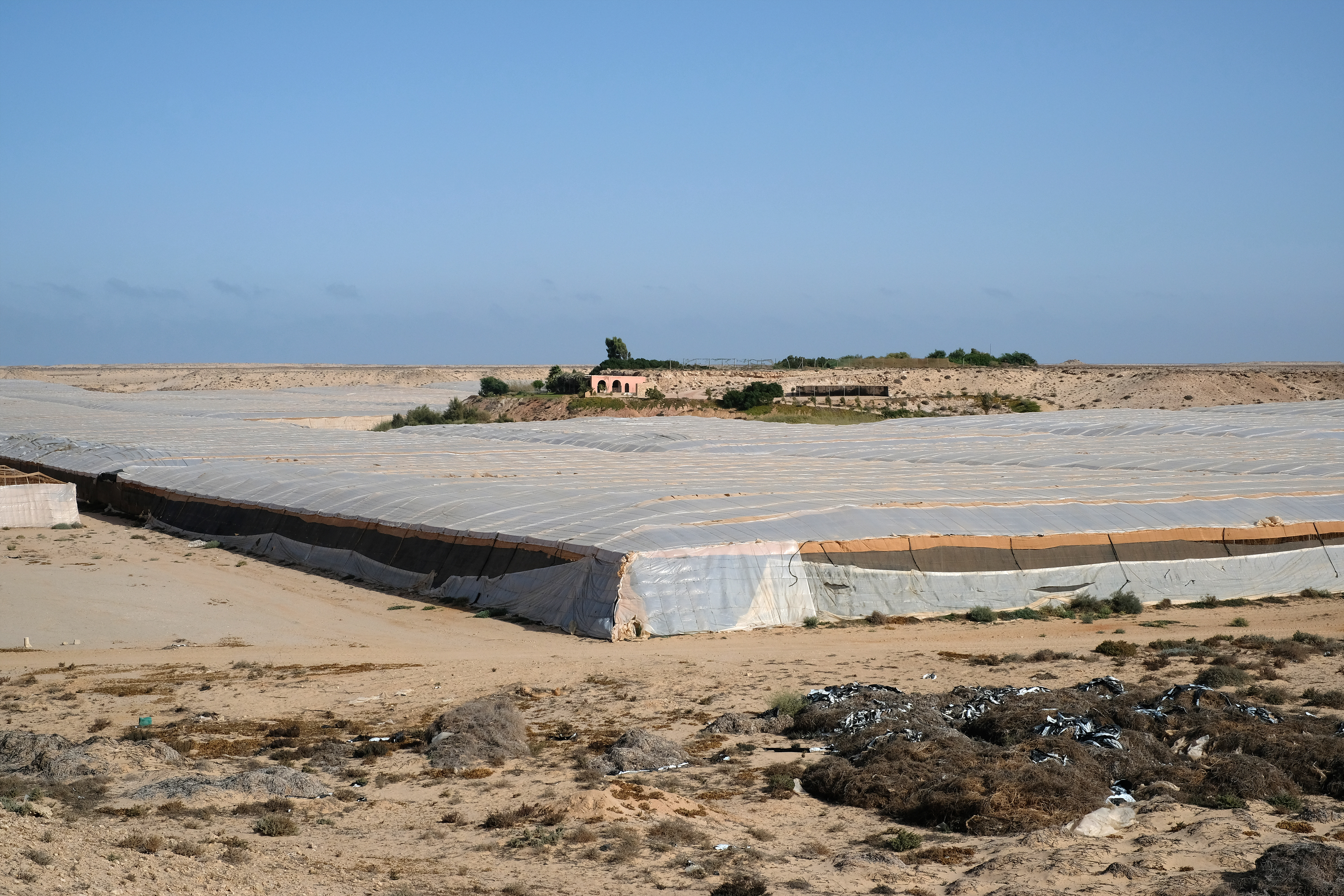
Engie paves way for new farmland in occupied Western Sahara
Morocco has launched another tender to allocate more than 1,000 hectares of agricultural land in occupied Western Sahara, made cultivable through the French company Engie. The expansion comes as the EU considers increasing the unlawful trade with the territory.