Here is the EU-Moroccan Fisheries Partnership Agreement that was signed in 2006, in several languages.
* FISHERIES PARTNERSHIP AGREEMENT between the European Communities and the Kingdom of Morocco [PDF - English]
* ACUERDO DE COLABORACIÓN en el sector pesquero entre la Comunidad Europea y el Reino de Marruecos [PDF -Spanish]
* ACCORD DE PARTENARIAT dans le secteur de la pêche entre la Communauté européenne et le Royaume du Maroc [PDF -French]
* AVTAL om fiskepartnerskap mellan Europeiska gemenskapen och Konungariket Marocko [PDF - Swedish]
* ACORDO DE PARCERIA no domínio da pesca entre a Comunidade Europeia e o Reino de Marrocos [PDF - Portuguese]
* PARTNERSCHAFTLICHES FISCHEREIABKOMMEN zwischen der Europäischen Gemeinschaft und dem Königreich Marokko [PDF -German]
* PARTNERSCHAPSOVEREENKOMST inzake visserij tussen de Europese Gemeenschap en het Koninkrijk Marokko [PDF -Dutch]
* ACCORDO DI PARTENARIATO nel settore della pesca tra la Comunità europea e il Regno del Marocco [PDF - Italian]
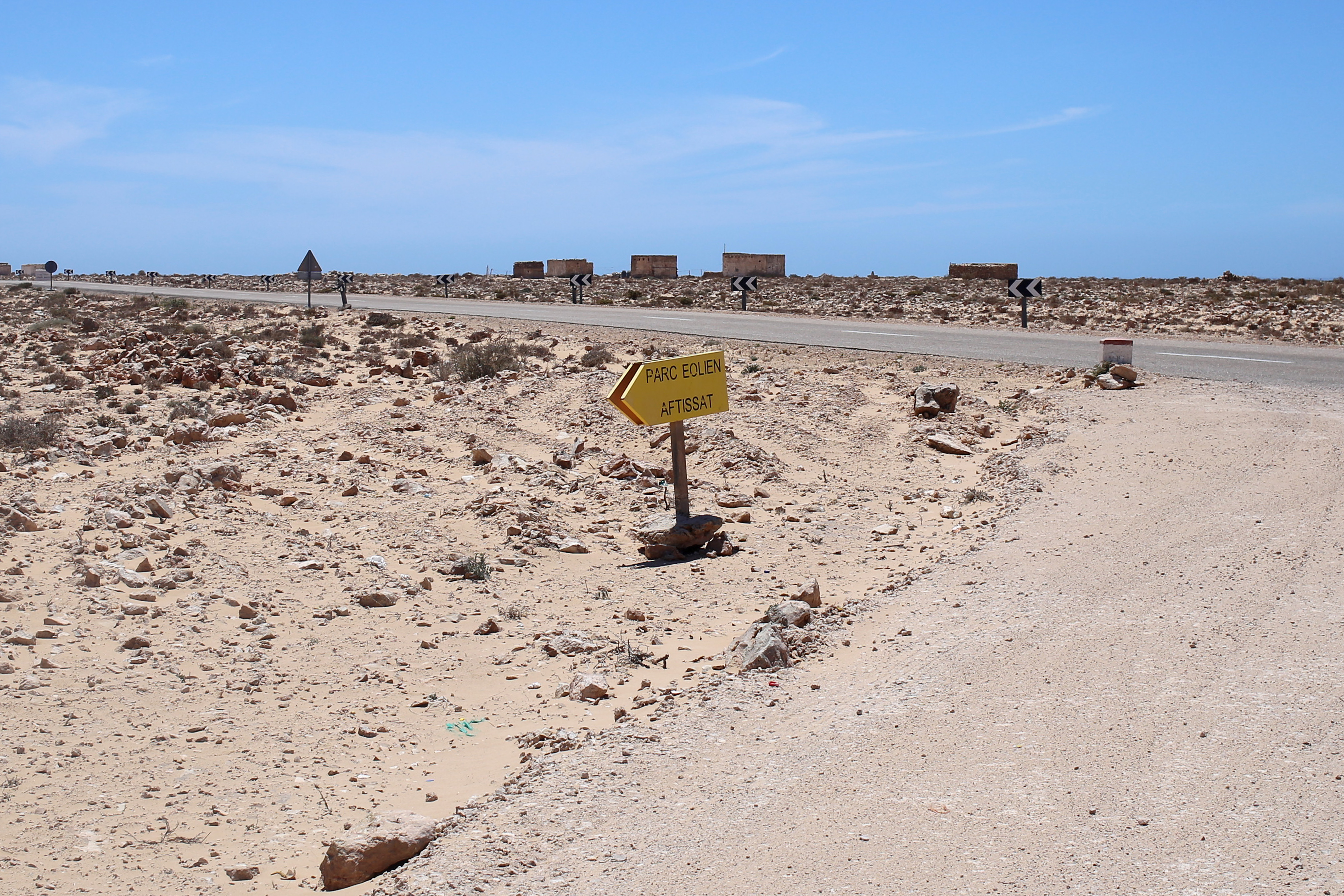
Occupied Western Sahara wind complex expands into Africa's top three
The Moroccan king’s energy company appears to have completed two new phases of the Aftissat wind power complex in occupied Western Sahara.

Dirty green energy on occupied land
How can it be wrong to develop renewable energy, in a world that is in desperate need for a green transition? In Western Sahara, the problems are numerous.
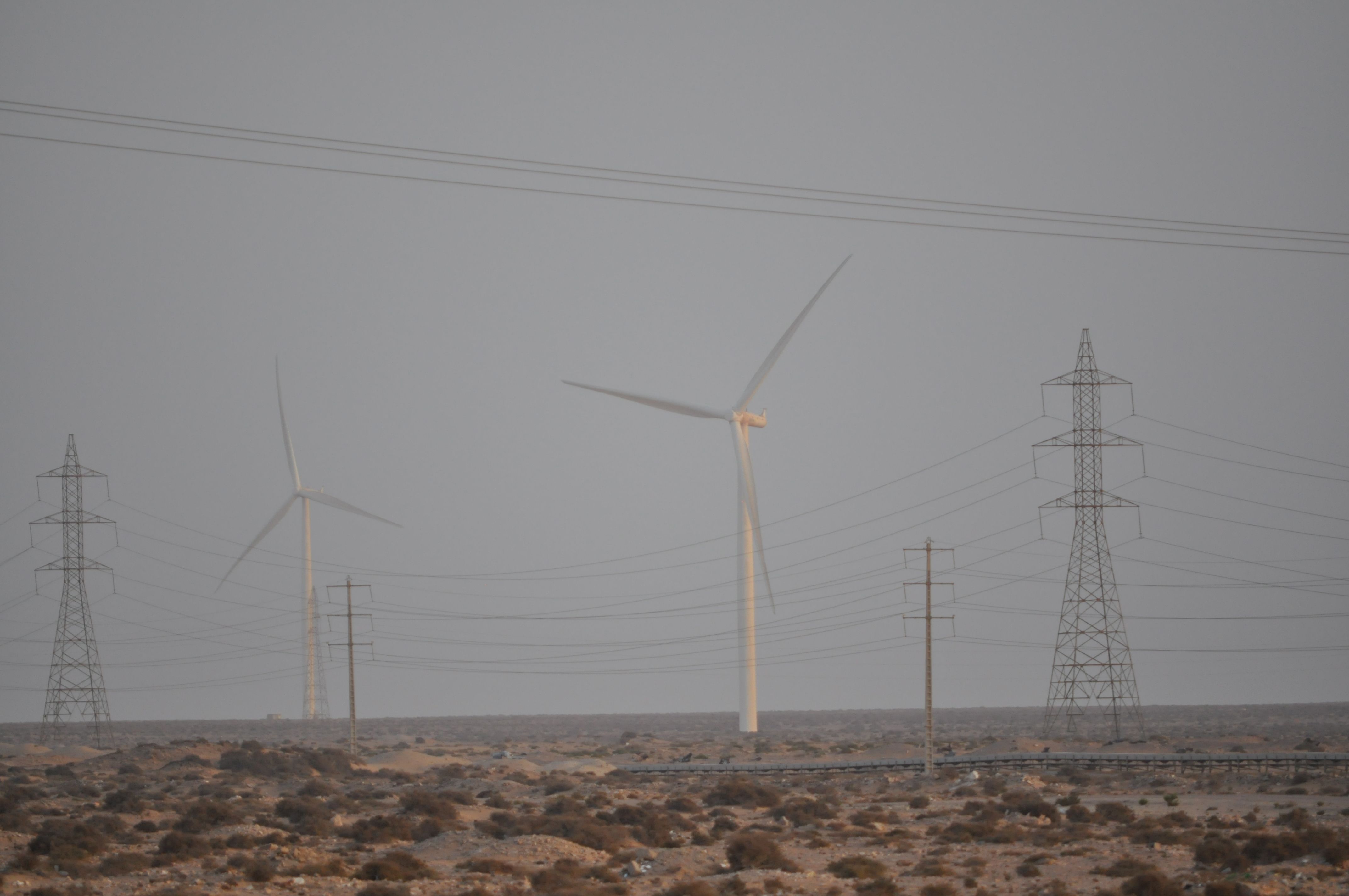
Trump administration bankrolls ammonia project in occupied Western Sahara
The Trump administration has become the first US government to finance a private-sector project in occupied Western Sahara, awarding support to the controversial ORNX green ammonia venture.
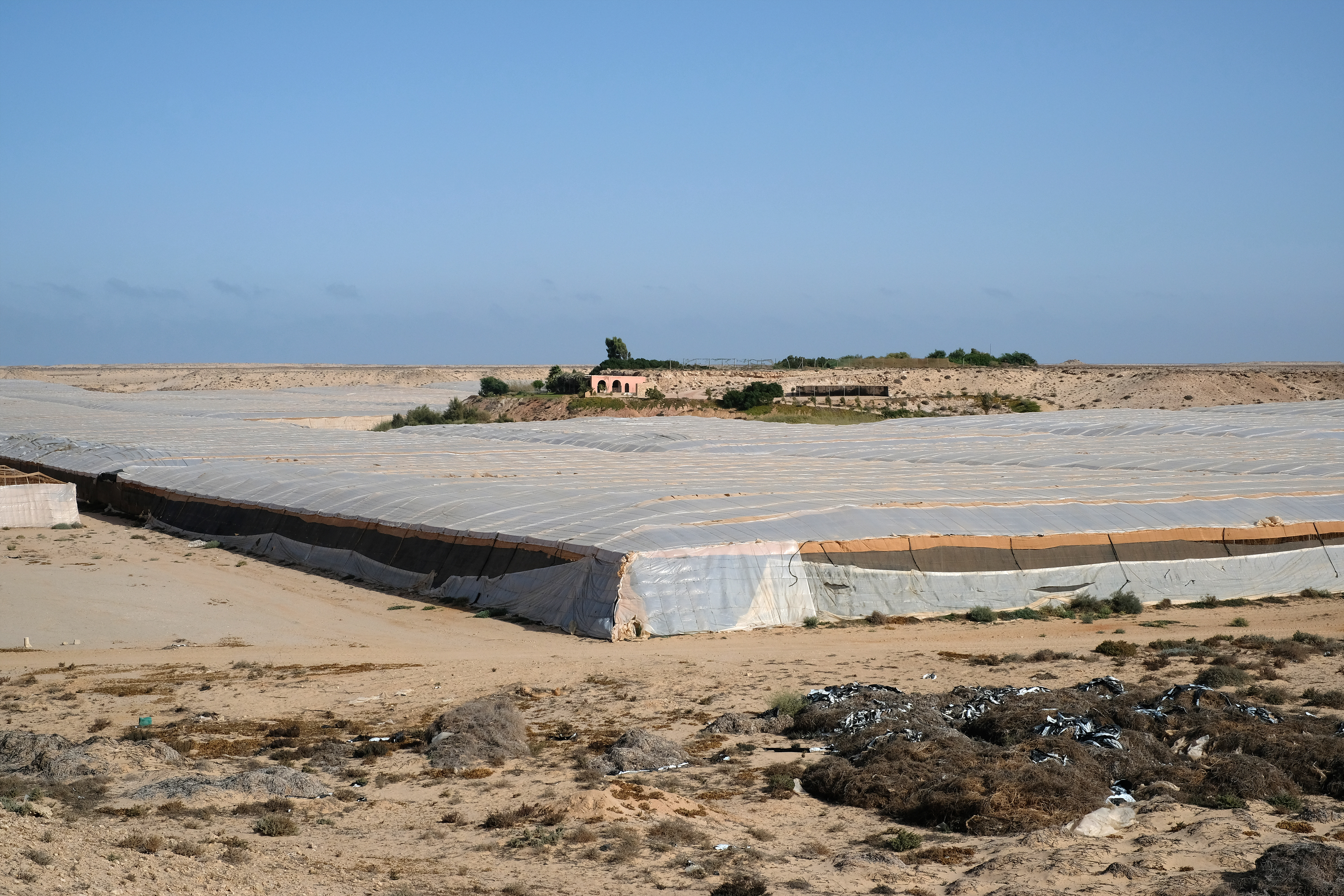
Engie paves way for new farmland in occupied Western Sahara
Morocco has launched another tender to allocate more than 1,000 hectares of agricultural land in occupied Western Sahara, made cultivable through the French company Engie. The expansion comes as the EU considers increasing the unlawful trade with the territory.