Swedish Minister of agriculture, Mr. Eskil Erlandsson wants the Commission to put all its cards on the table regarding the EU’s fisheries offshore occupied Western Sahara.
By Arto Valtonen,
Tidskriften Västsahara (Sweden)
“The question about whether the Sahrawis benefit from the agreement is not sufficiently clarified”, stated the Swedish Minister of agriculture, Mr. Eskil Erlandsson.
If the Commission cannot prove that the agreement is according to the Sahrawis’ wishes and interests, Erlandsson will personally raise the issue with the Commission. He said that the fisheries cooperation is going to be influenced by the legal opinion.
For the agreement to be in accordance with international law, the Sahrawis must have given their consent to it, and the benefits from the fisheries must accrue to them.
”The opinion is an important basis for the continued discussions with Morocco”, stated Erlandsson.
One can sense a certain irritation between the lines in Mr. Erlandsson’s statement. The Swedish Minister of agriculture has had no information about the legal opinion, despite the fact that it was made already on 13 July 2009.
”I have not known about this opinion, which was requested by the EU parliament until it was made public the other day by, what I understand, is a voluntary organisation”, he said.
Considering that Sweden chaired the EU’s presidency while the opinion was made, sources in the Ministry said it is “strange” that the opinion was shared neither with the Swedish delegation in Brussels, nor with the Minister of agriculture.
Translated to English by Western Sahara Resource Watch.
Don't let resource exploitation decide Western Sahara's future
Western Sahara Resource Watch calls on the UN to address the accelerating exploitation of the territory’s natural resources - and prevent it from becoming an even greater obstacle to self-determination.
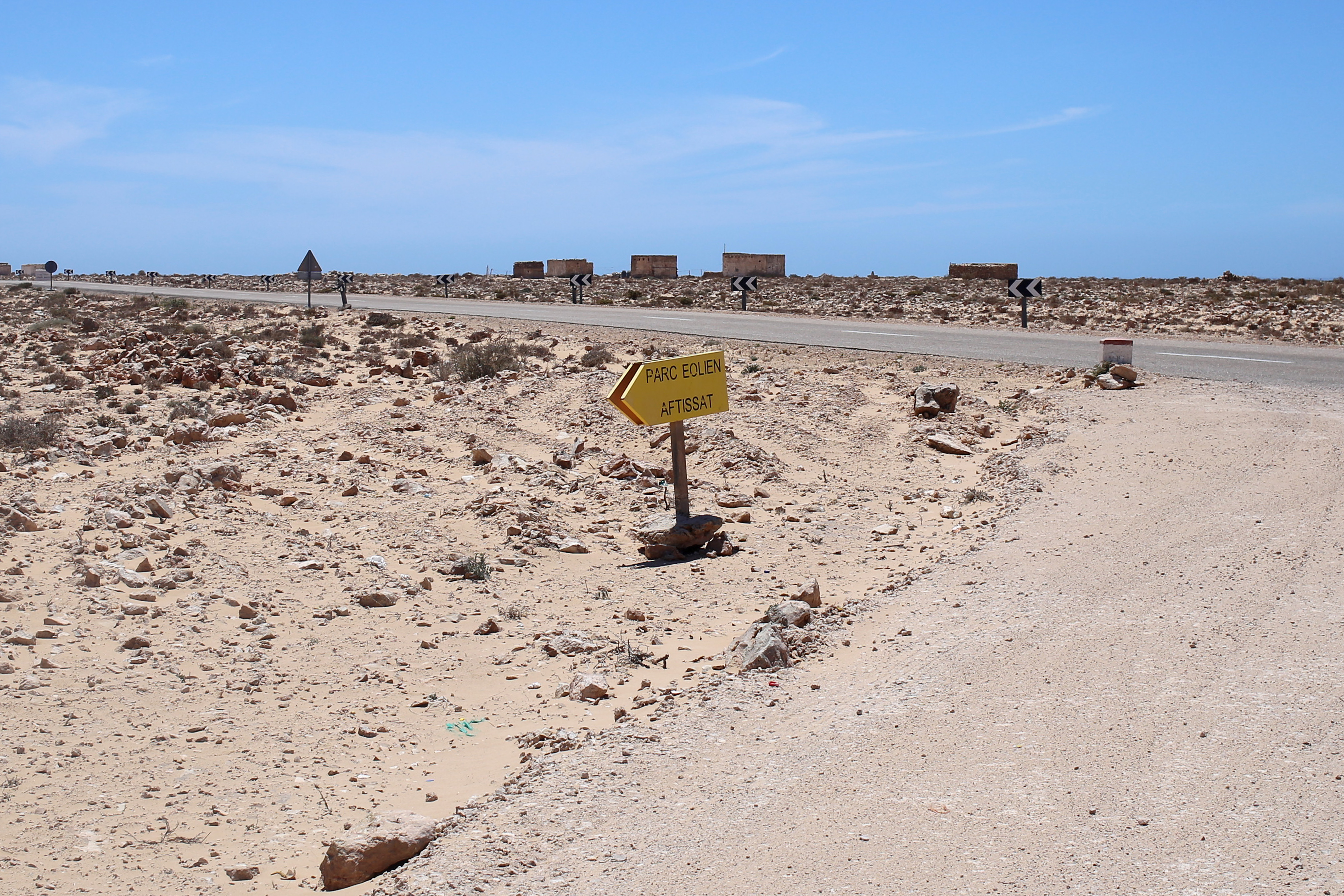
Occupied Western Sahara wind complex expands into Africa's top three
The Moroccan king’s energy company appears to have completed two new phases of the Aftissat wind power complex in occupied Western Sahara.

Dirty green energy on occupied land
How can it be wrong to develop renewable energy, in a world that is in desperate need for a green transition? In Western Sahara, the problems are numerous.
Trump administration bankrolls ammonia project in occupied Western Sahara
The Trump administration has become the first US government to finance a private-sector project in occupied Western Sahara, awarding support to the controversial ORNX green ammonia venture.