"A hostile act likely to perpetuate the conflict and colonialism in Western Sahara". The Peace and Security Council of the African Union reiterates its position on the illegal exploitaiton of Western Sahara's natural resources.
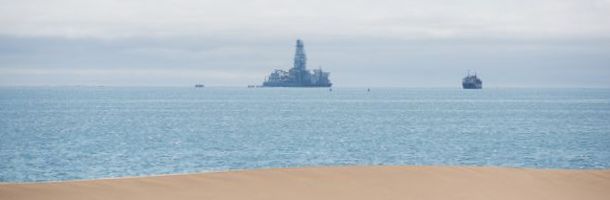
Photo above: Kosmos Energy chartered a drillship for exploration offshore Western Sahara. Here, the ship is seen off Namibia, heading north on its way to Western Sahara in 2014.
On 11 February 2016, the Peace and Security Council of the African Union (AU), dedicated a session to the topic of natural resources and conflicts in Africa.
"Council condemned the illegal exploitation of natural resources of Western Sahara and considered it as a hostile act likely to perpetuate the conflict and colonialism in Western Sahara", is stated in the press statement about the session. "In this regard, Council reiterated the relevant decisions of the United Nations and the African Union, in particular decision Assembly /AU/Dec.583(XXV) adopted by the Assembly at its 25th Ordinary Session, urging the UN Security Council to fully assume its responsibilities, as well as effectively address the issues of the respect of human rights and the illegal exploitation of the Territory’s natural resources."
On 15 October 2015, the African Union published on its website a thorough legal opinion on the natural resource exploitation in the territory.
It should also be recalled that the Peace and Security Council of the AU on 27 March 2015 issued a statement that companies working in Western Sahara would not be welcome in other African Union member states.
Gdeim Izik prisoners resume hunger strike
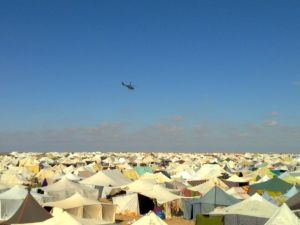
Saharawi political prisoners have resumed a hunger strike in Moroccan prisons, demanding their release, improved detention conditions and the implementation of UN decisions.
SRI update
The following overview enlists stock-exchange registered companies with current or recent operations in occupied Western Sahara. Updated 28 September 2026.
Another company of the Moroccan king involved in occupied Western Sahara
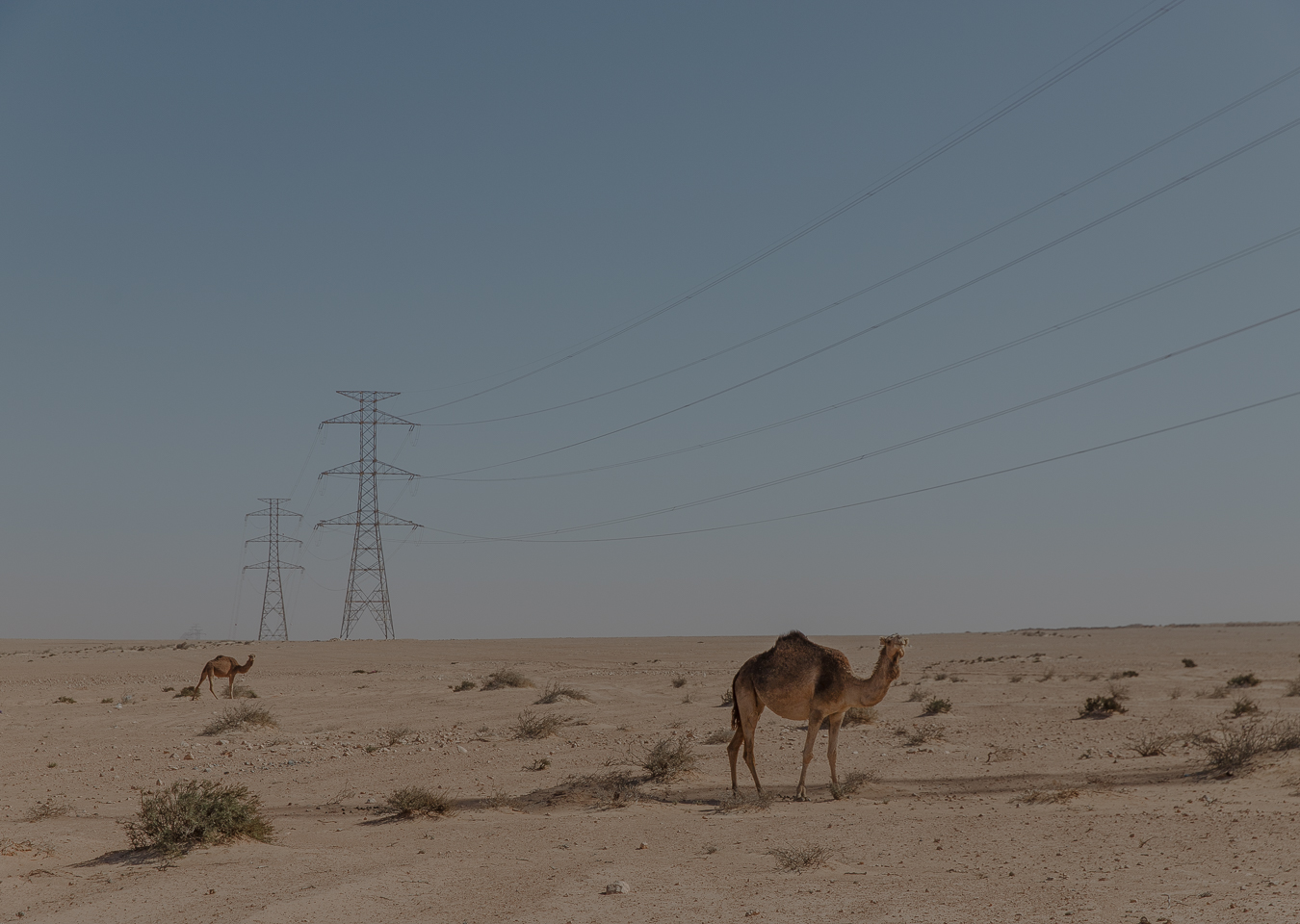
A company closely linked to Morocco’s royal business network has entered a new project in occupied Western Sahara, partnering with a Chinese state-owned electricity giant on high-voltage infrastructure in Boujdour.

Don't let resource exploitation decide Western Sahara's future
Western Sahara Resource Watch calls on the UN to address the accelerating exploitation of the territory’s natural resources - and prevent it from becoming an even greater obstacle to self-determination.