Former UN Legal Counsel slams Kosmos drilling in Western Sahara
“I have seen that they [Kosmos executives] think their actions are in conformity with my legal opinion, and my determined opinion is that they are not”, says Ambassador Hans Corell, author of the UN Legal Opinion on oil exploration and exploitation in Western Sahara.
Published 13 January 2015
“Morocco is breaking international law … signing an agreement of this nature is in violation of international law,” Hans Corell told MEED on 8 January. “I am looking to the Security Council and the responsibility that the council has under the UN Charter.”
Hans Corell is the former head of the UN Secretariat Office of Legal Affairs, who was commissioned by the UN Security Council in 2001 to draft a Legal Opinion on the increasing interest of big oil companies to pull into Western Sahara under contracts signed with the Moroccan government. The Opinion, delivered in January of 2002, concluded that any oil exploration or exploitation would be in violation of international law if not in accordance with the wishes and the interests of the people of Western Sahara, the Saharawi people.
On 19 December 2014, the American oil company Kosmos Energy became the first company ever to drill for oil in Western Sahara, even though the Saharawi people have on multiple occasions spoken out against the drilling - either through their civil society organisations in occupied Western Sahara, or by voice of their internationally recognised political representation, the Frente Polisario.
Corell went on to say that “I have seen that they [Kosmos executives] think their actions are in conformity with my legal opinion, and my determined opinion is that they are not”. He continued that “Signing an agreement in which Morocco refers to Western Sahara as the southern provinces of the Kingdom of Morocco is at variance with corporate social responsibility and the principles to protect, respect and remedy.”
Morocco invaded Western Sahara in 1975. To this day, Morocco continues to occupy large parts of the territory, in blatant disrespect for international law which accords the Saharawi people a right to freely determine the status of their homeland. UN efforts to settle the conflict by means of a self-determination referendum have been thwarted by Morocco. The International Court of Justice has stated that there are no ties of sovereignty between Morocco and the territory, and no State in the world recognises Morocco's self-proclaimed sovereingty over Western Sahara. The UN still considers Western Sahara as a colony, while the African Union has accepted Western Sahara's exiled government as the official authority of the territory.
Kosmos Energy originally signed an agreement with Morocco to drill in the Western Sahara in 2006. It then renewed the licence in 2011 and signed a further deal with Scotland’s Cairn Energy and Morocco’s National Bureau of Petroleum & Mines (ONHYM), taking respectively a 20% and a 25% interest, in October 2013.
News
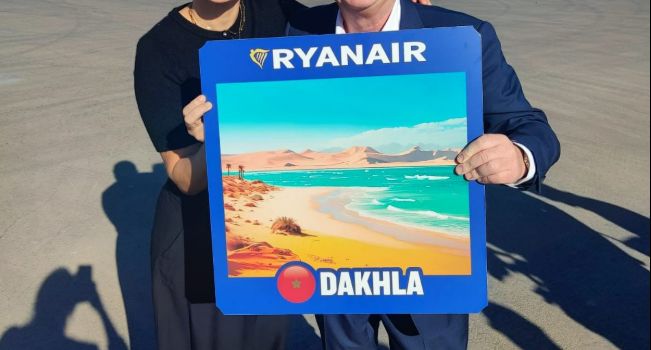
Irish ad watchdog: Ryanair misleading about flights to Western Sahara
In a preliminary decision, the Irish advertising watchdog says the airline’s ads are likely to mislead, as Dakhla is “not a part of Morocco”.
16 October 2026
Gdeim Izik prisoners resume hunger strike
Saharawi political prisoners have resumed a hunger strike in Moroccan prisons, demanding their release, improved detention conditions and the implementation of UN decisions.
06 October 2026
SRI update
The following overview enlists stock-exchange registered companies with current or recent operations in occupied Western Sahara. Updated 28 September 2026.
28 September 2026
Another company of the Moroccan king involved in occupied Western Sahara
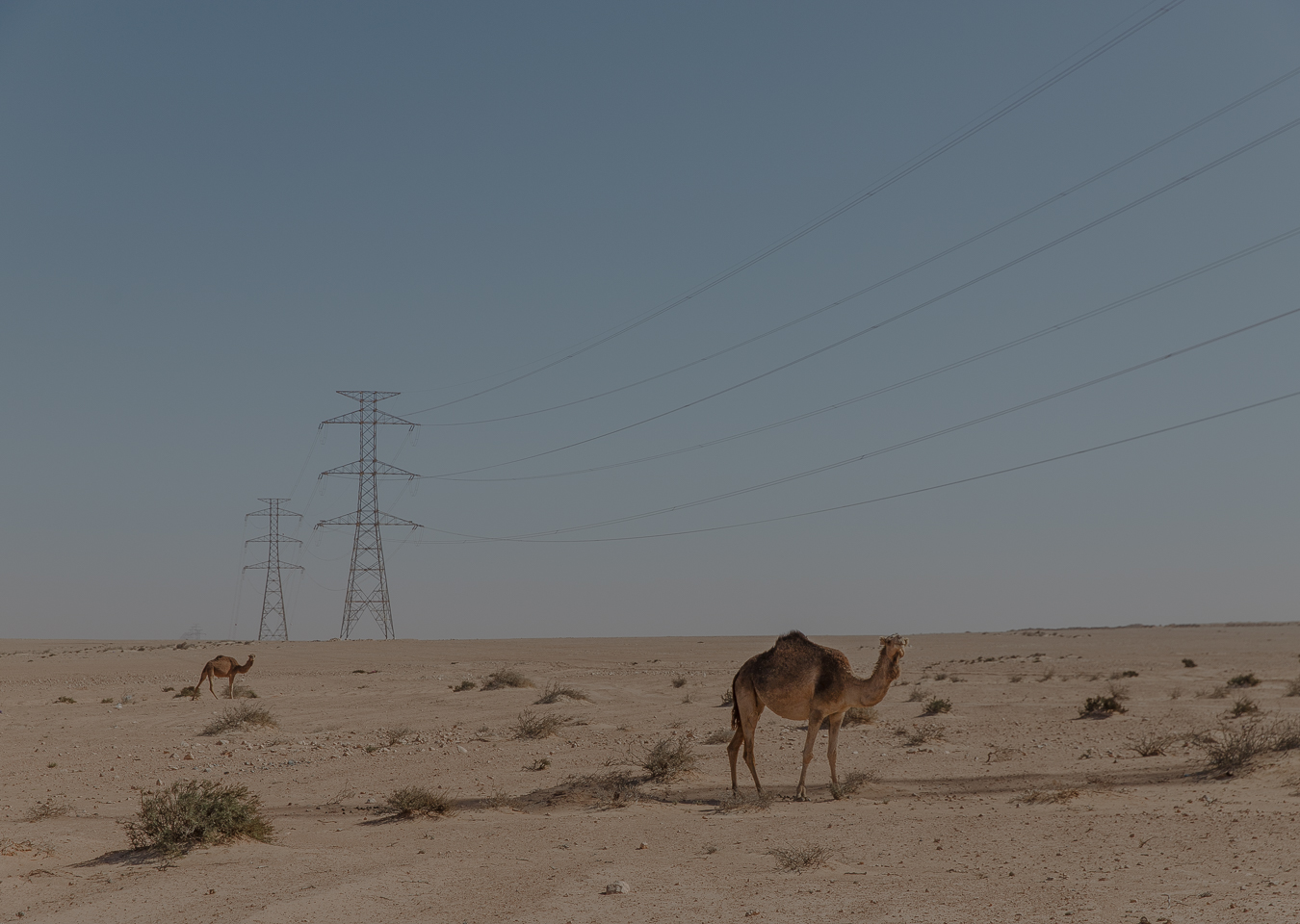
A company closely linked to Morocco’s royal business network has entered a new project in occupied Western Sahara, partnering with a Chinese state-owned electricity giant on high-voltage infrastructure in Boujdour.
10 September 2026