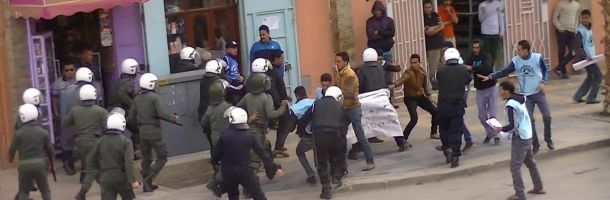
Here's what happens to peaceful demonstrations demanding basic rights to work and a decent living in Western Sahara. As protests spread from El Aaiun to other towns, the Moroccan police responded with the usual ferocity.
Western Sahara Resource Watch has received reports about protests that took place in different cities in Western Sahara throughout the weekend of 23 and 24 January 2016.
As ongoing protests in El Aaiun continued, Smara and Boujdour now also saw demonstrations on the same grounds as those in Western Sahara's capital city; Saharawis demanding their fair share of their own country's resources.
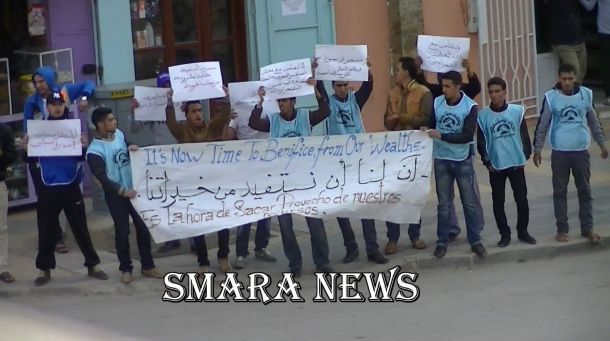
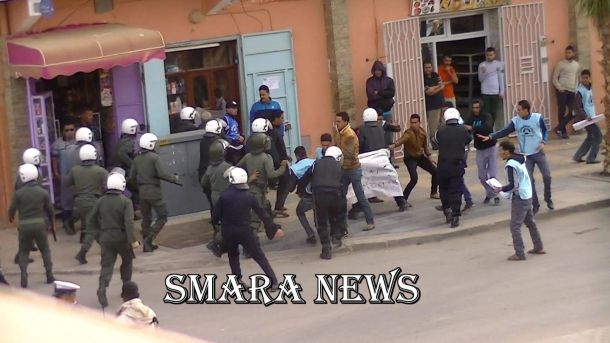
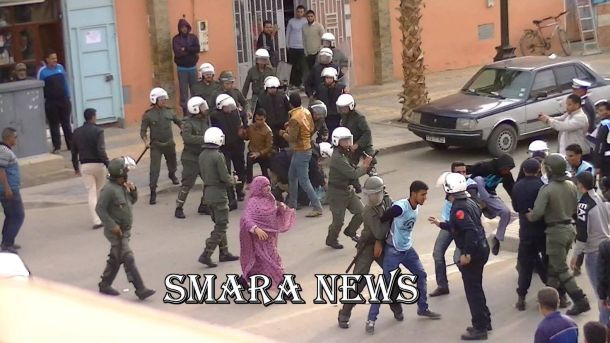
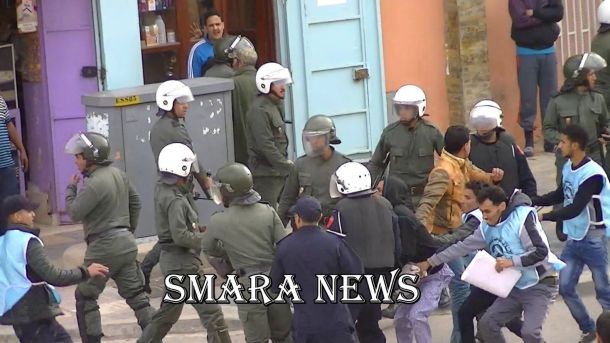
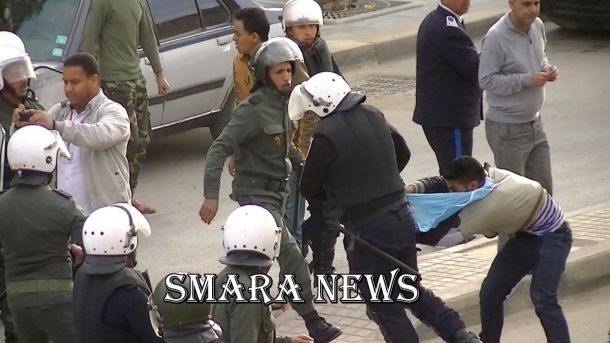
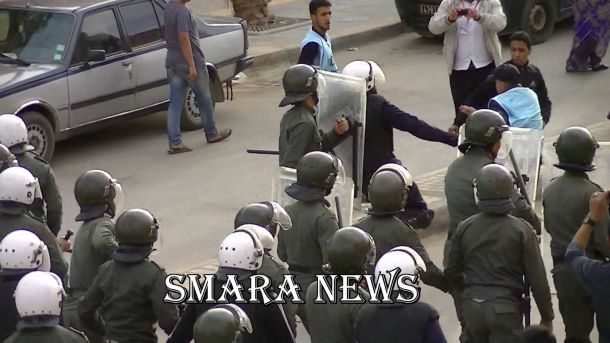
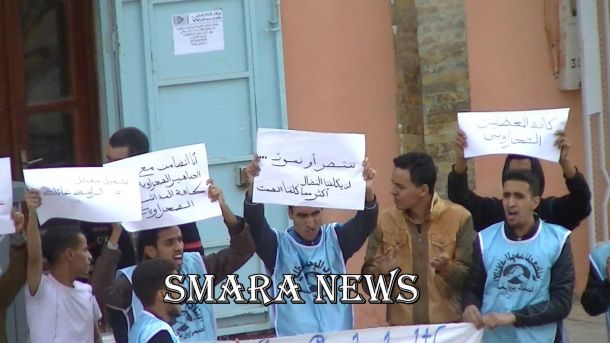
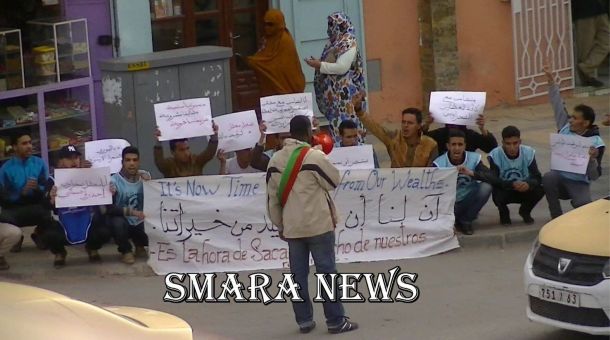
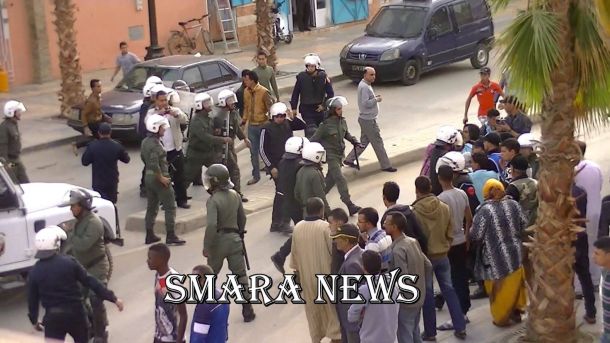
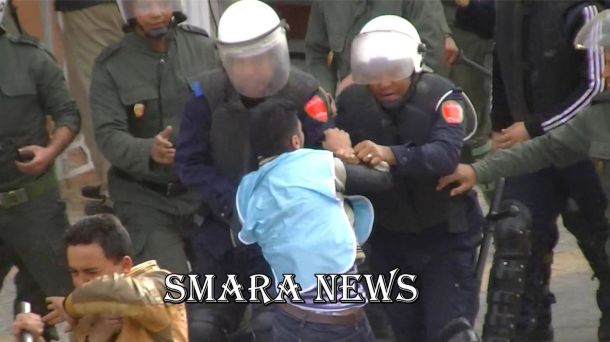
The photos included below are from Saturday's protest in Smara. Young Saharawis gathered with a banner saying "It's now time to benefit from our wealth". Like the protesters and hunger strikers in El Aaiun, they demand the right to work and to a decent living. The pictures show the Moroccan police's intervention; plain-clothed and uniformed police officers disrupted the protest and went on to physically attack the participants.
Large parts of Western Sahara have been occupied by Morocco since 1975, in blatant disrespect of international law. Amid a climate of oppression of the native Saharawi people, Morocco proceeds to sell of Western Sahara's resources as if it is entitled to do so.
But it isn't. A United Nations Legal Opinion of January 2002 concluded that the wishes and the interests of the Saharawi people - as the sole, original inhabitants of the territory prior to Morocco's invasion - are the legal requirements for any resource-related activity to take place in Western Sahara.
In October last year, the UN Committee on Economic, Social and Cultural Rights confirmed that the Saharawis are indeed particularly affected by poverty, and expressed its concern that Morocco still did not respect the Saharawis right to dispose of their natural resources. In particular, the Committee urged Morocco to respect the rights of the Saharawis to be informed and to give their prior consent to the exploitation of their resources.
Saharawis have protested Morocco's looting of Western Sahara for years. Recent demonstrations are primarily carried out by younger generations of Saharawis, who grew up on the fringes of society, bereaved of basic social and economic rights in their own land. While Saharawis are struck by poverty, the jobs created through Morocco's exploitation of Western Sahara's resources go mainly to Moroccan settlers. Saharawi youth is fed up with that situation, and is becoming more vocal - fully knowing how the Moroccan regime deals with dissent. Not lightly.
SRI update
The following overview enlists stock-exchange registered companies with current or recent operations in occupied Western Sahara. Updated 28 September 2026.
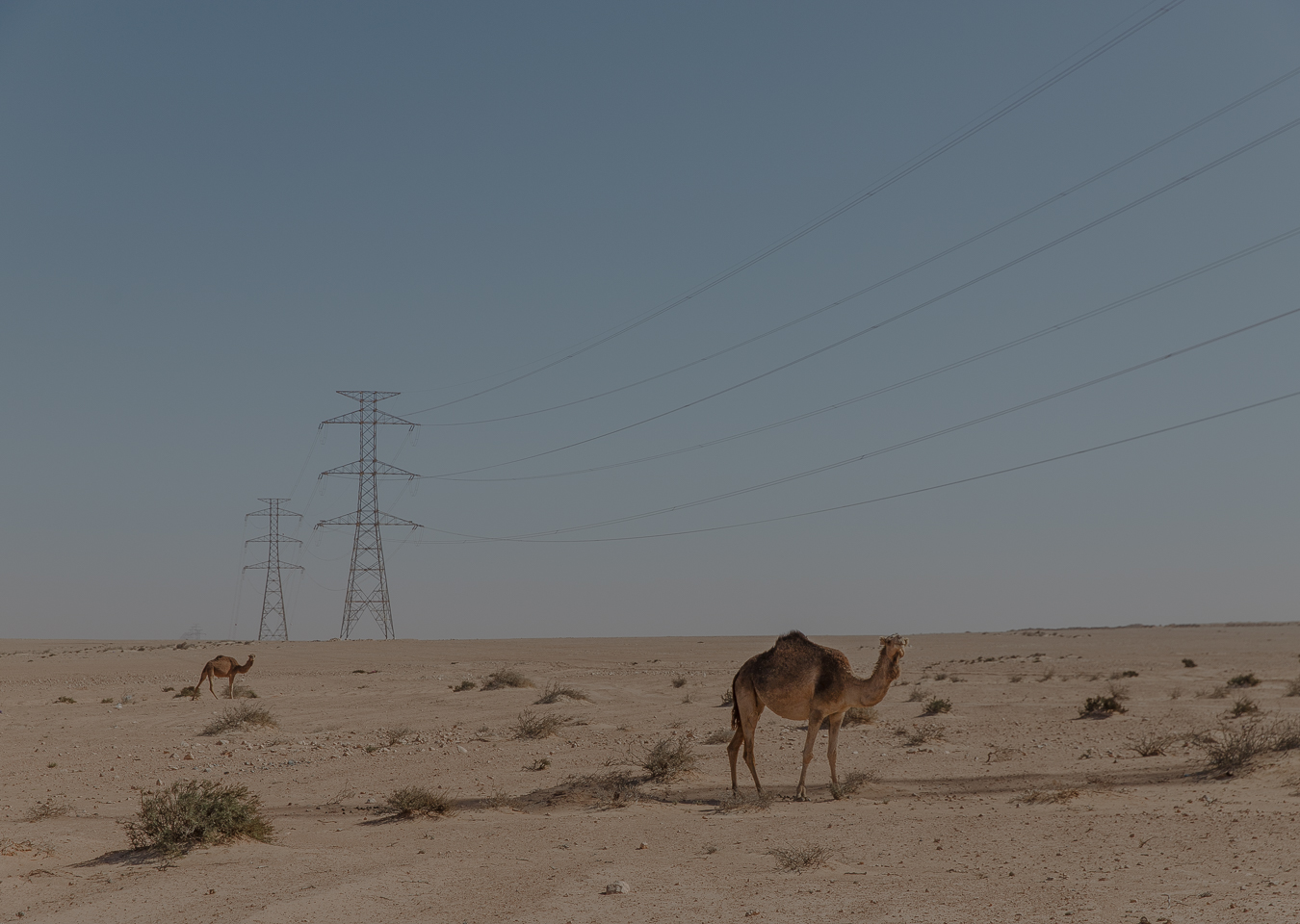
Another company of the Moroccan king involved in occupied Western Sahara
A company closely linked to Morocco’s royal business network has entered a new project in occupied Western Sahara, partnering with a Chinese state-owned electricity giant on high-voltage infrastructure in Boujdour.

Don't let resource exploitation decide Western Sahara's future
Western Sahara Resource Watch calls on the UN to address the accelerating exploitation of the territory’s natural resources - and prevent it from becoming an even greater obstacle to self-determination.
Occupied Western Sahara wind complex expands into Africa's top three
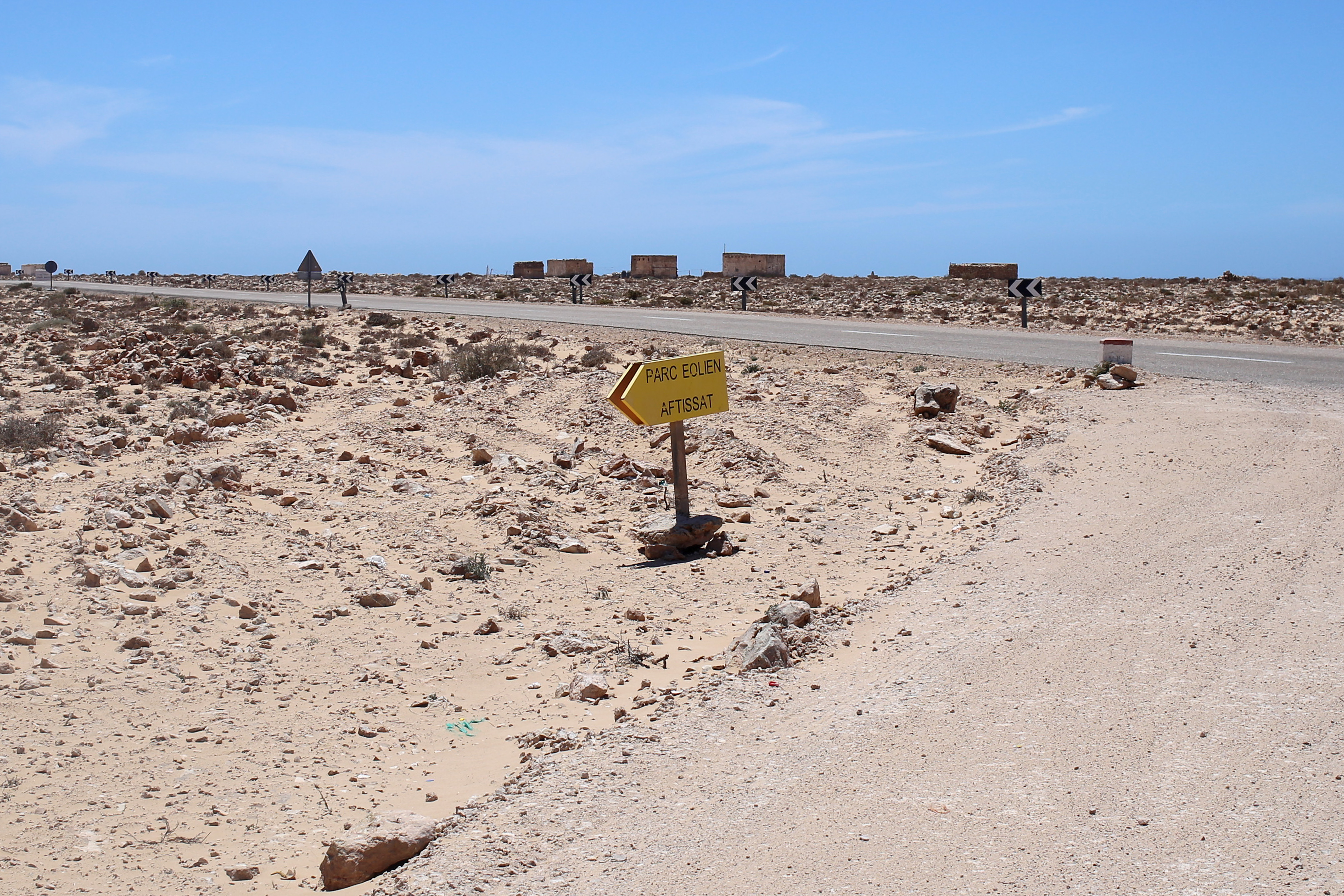
The Moroccan king’s energy company appears to have completed two new phases of the Aftissat wind power complex in occupied Western Sahara.