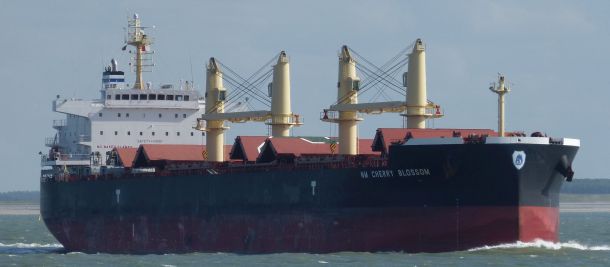
A panel of judges in South Africa ruled today that the detention of NM Cherry Blossom on 1 May 2017 was correct. See ruling here. [or download]
The Western Sahara people has thus passed the first hurdle in the legal process to win ownership over a cargo of phosphate rock that Morocco has tried to export from the territory that it holds under occupation.
“The ICJ’s judgement is clear: Morocco has no claim to sovereignty over Western Sahara. Its claim as result of its occupation of the territory is incompatible with the status of Western Sahara as a non-self-governing territory. Furthermore, it acquired control of the territory by force. This, as a means of acquiring sovereignty, is contrary to customary international law", the judges stated.
The court decided that the sheriff is "directed and authorised to remove the ship's registration documents and trading certificates" until the case is settled.
OCP, a Moroccan government owned company, has claimed that they have the right to export phosphate rock from the territory of Western Sahara. Numerous investors have divested from global importers exactly because they are of the opposite view. Now these investors have so far the backing of the South African court.
"This is a historic moment for the Saharawi people and we hope the final judgment will contribute to the protection of our natural resources which we need to rebuild our country and provide a dignified life for our people after decades of conflict, exile and suffering", the representative of the liberation movement Polisario in Australia, Kamal Fadel, stated in a comment to Western Sahara Resource Watch.
New Zealand companies claim that they are entitled to import the goods, by falsely representing a UN Legal Counsel document from 2002. The importing company Ballance Agri-Nutrients has systematically misrepresented the UN position by ignoring that the people of Western Sahara must consent to such operations. All questions to Ballance regarding seeking of consent are ignored. Ballance has not responded to the questions from WSRW letters of 2015, 2016 and 2017 of its misrepresentation of UN position.
"OCP and Phosboucraa do not claim to have mined the phosphate in Western Sahara with the consent of the people of the territory. They do not and cannot claim to do so on behalf of its people. Their claim to mine phosphate for the benefit of the people is disputed by the SADR and the PF: as most of the Sahrawi people live to the east of the berm or in refugee camps in Algeria, those who may benefit from the mining of phosphate are not the 'people of the territory' but, more likely, Moroccan settlers", the South African court found.
New Zealand is the second biggest importer of the illegally exported phosphate rock. The New Zealand imports is covered in the WSRW report P for Plunder, published 25 April 2017.

Guterres reminds Morocco: Self-determination still stands
In one of his final statements as UN Secretary-General, António Guterres has made an unequivocal point: the end of MINURSO does not extinguish the inalienable right of the Saharawi people to self-determination. It is a reminder that Morocco cannot declare the Western Sahara question closed simply because the UN mission is leaving.
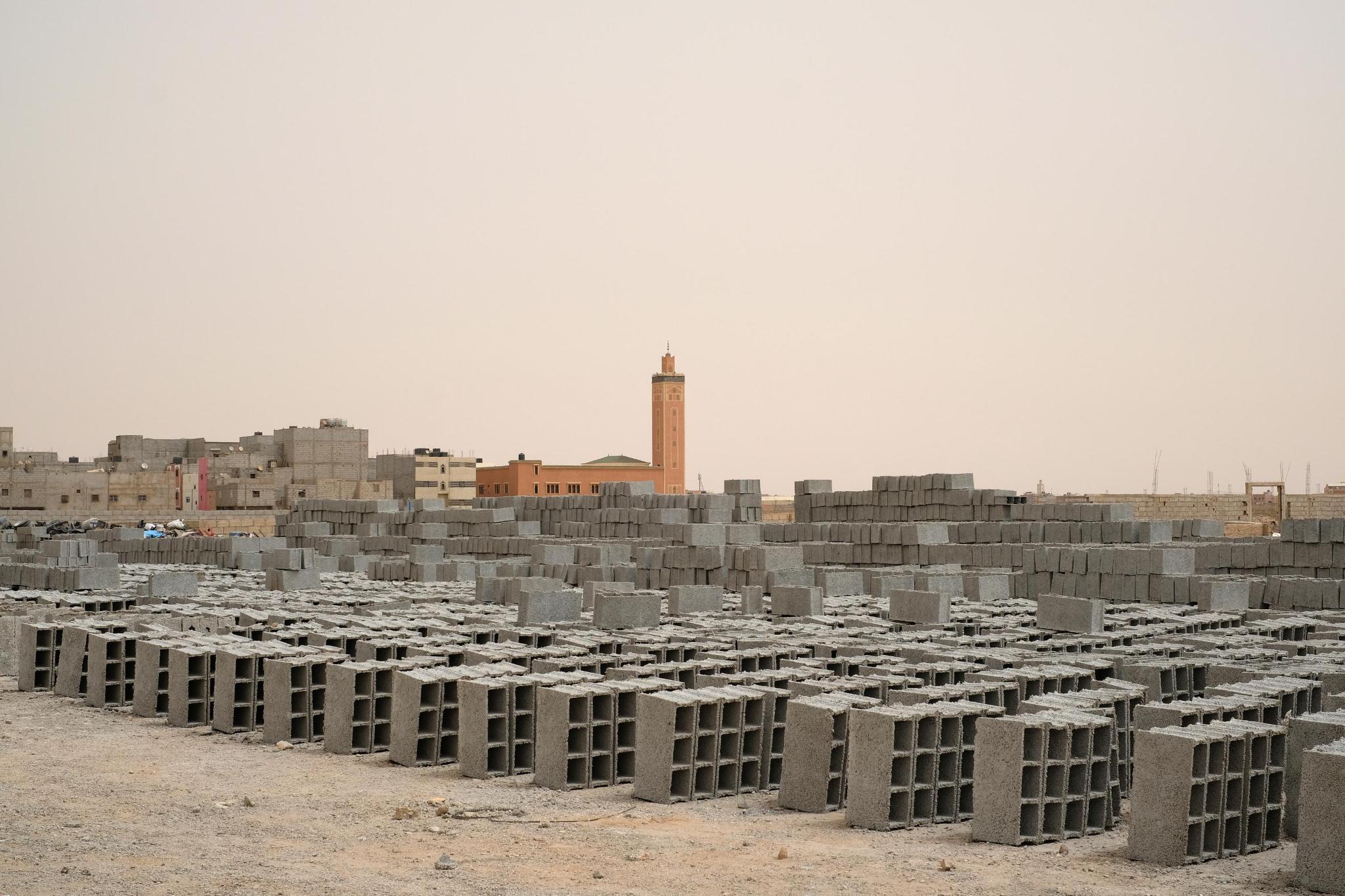
Morocco allocates vast tracts of occupied Western Sahara
Moroccan budget documents released in late October reveal that the kingdom allocated tens of thousands of hectares of land in occupied Western Sahara to investment projects.
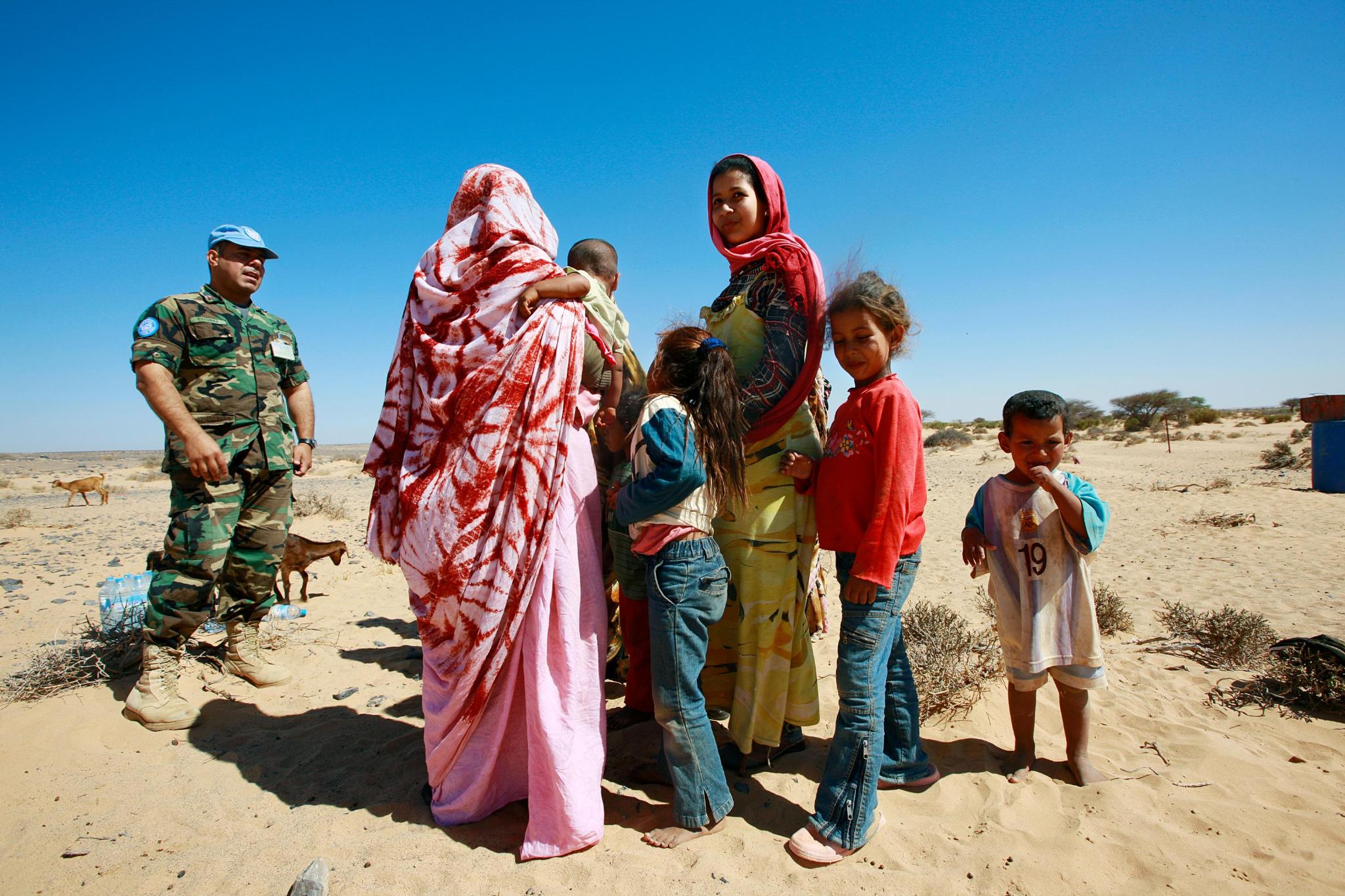
When countries defend self-determination while voting against it
Our analysis of yesterday's UN Security Council vote on Western Sahara reveals a striking gap between what some governments said about the Saharawi people's right to self-determination and the resolution they voted to support.
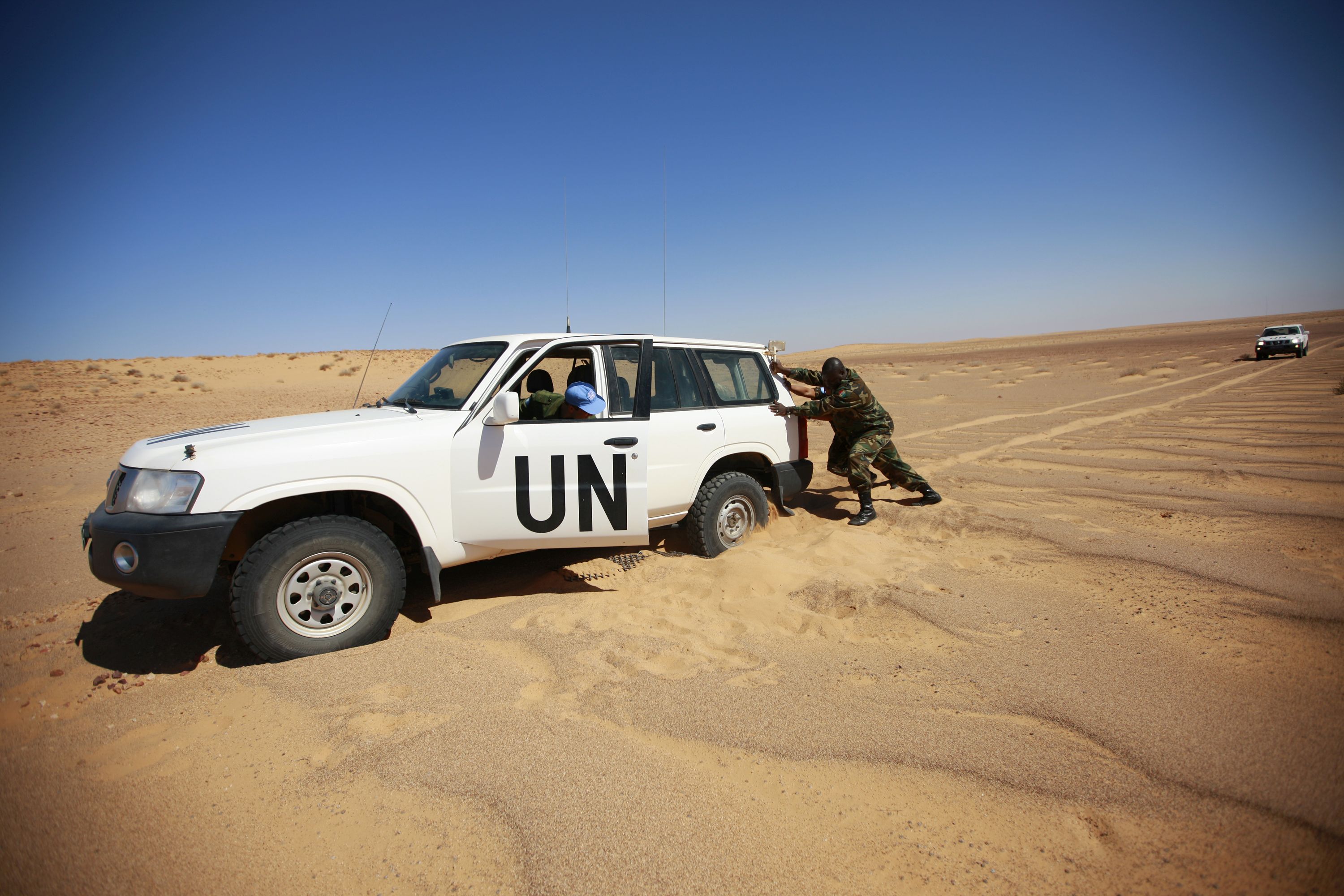
US and Russia veto competing Western Sahara resolutions, leaving MINURSO’s future uncertain
In an extraordinary confrontation, both permanent members blocked each other’s proposals on Western Sahara. With no resolution adopted, the UN mission faces an imminent expiry of its mandate.