
Several Saharawis were allegedly injured in a demonstration in El Aaiun yesterday, in which youth demanded employment opportunities on their own land. Among them a 34 year old law graduate.

“Two officers took my banner from me, on which I had written that the wealth of natural resources in Western Sahara should guarantee me a job”, stated Abd Ali Ansari, a 34 year old unemployed Saharawi.
“Then they pushed me and hit me in really sensitive parts of my body. I fell to the ground and I was trampled on. I believe my nose is broken”, stated Ansari, who holds a master degree in private law.
Western Sahara Resource Watch was in contact with Ansari today via a friend of his.
Last month the director of OCP, Mustapha Terrab, on the occasion of the celebration of the 40th anniversary of the Moroccan occupation of Western Sahara, promised 500 jobs at the Phosbucraa phosphate factory, for startup from January 2016.
The follow-up of that promise was the trigger that sparked yesterday's demonstration.
“When OCP later announced the qualification criteria, it appeared that the job opportunities would go to non-Saharawis. You see, Saharawis are not allowed to take certain careers at the Moroccan universities. In order to apply, one needed qualifications that are unavailable to us”, stated one of the participants of yesterday’s events to WSRW.
After 40 years of occupation, there are no universities in Western Sahara proper.
Around two dozen demonstrators are said to have been injured in the events in El Aaiun yesterday afternoon. WSRW has not received independent confirmation about the veracity of the numbers of injured, but has been in contact with one of the injured.
The demonstration took place at 5pm yesterday evening, on the Matala Street. The demonstration was organised by a group calling itself "the Sahrawi coordination of unemployed graduates and other deprived people". The majority of those demonstrating is said to have been graduates with university degrees. One of the demonstrators told WSRW that they all remained peaceful and did not block the traffic.
One eye-witness says that the demonstrators were being attacked and abused by uniformed and plain clothed security service personnel. The Moroccan Auxiliary Forces are said to have followed some of the injured to the hospital, where they were harassed.
Morocco’s state owned phosphate mine is the biggest employer in the occupied territory. Morocco took over the management of the mine only few weeks after the occupation, in the last months of 1975. The last years, WSRW has made annual reports on whereto this phosphate rock is exported. Four importers have halted the imports over the controversies.


Morocco allocates vast tracts of occupied Western Sahara
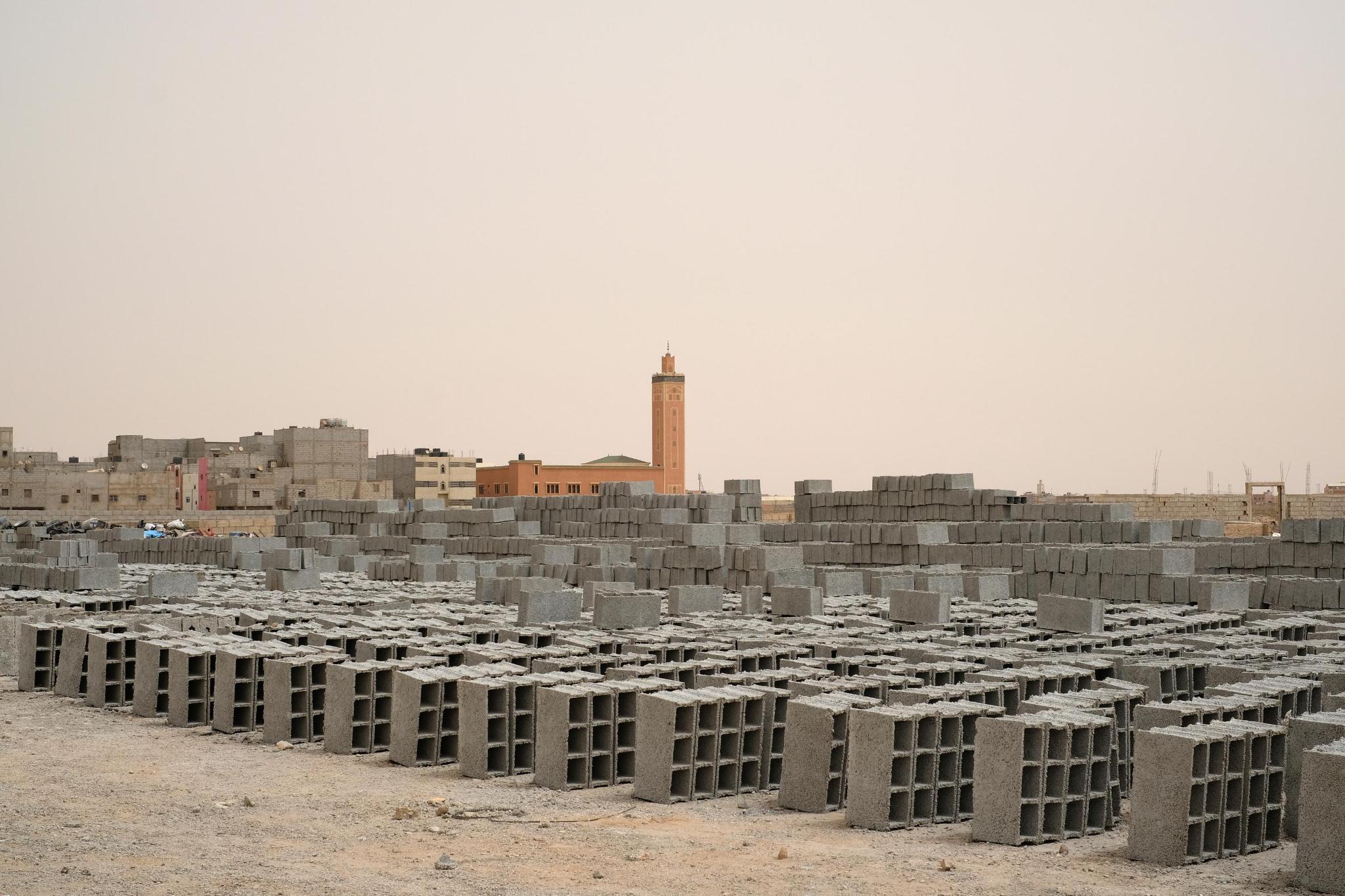
Moroccan budget documents released in late October reveal that the kingdom allocated tens of thousands of hectares of land in occupied Western Sahara to investment projects.
Guterres reminds Morocco: Self-determination still stands
In one of his final statements as UN Secretary-General, António Guterres has made an unequivocal point: the end of MINURSO does not extinguish the inalienable right of the Saharawi people to self-determination. It is a reminder that Morocco cannot declare the Western Sahara question closed simply because the UN mission is leaving.
When countries defend self-determination while voting against it
Our analysis of yesterday's UN Security Council vote on Western Sahara reveals a striking gap between what some governments said about the Saharawi people's right to self-determination and the resolution they voted to support.
US and Russia veto competing Western Sahara resolutions, leaving MINURSO’s future uncertain
In an extraordinary confrontation, both permanent members blocked each other’s proposals on Western Sahara. With no resolution adopted, the UN mission faces an imminent expiry of its mandate.